
A client asks the nurse how long it will take before the selective serotonin reuptake inhibitor (SSRI) antidepressant medication will be effective. Which reply is most accurate and therapeutic?
"It will probably take months for the medication to work. In the meantime, you should work on improving your attitude."
"If you believe it will work, then it will. You have to have faith!"
“You will have gradual Improvement in symptoms over the next two to three weeks, but you may not notice them for a while. It is important you keep taking the medication.
"This is a good medication! it will be effective within twenty minutes of the first dose."
The Correct Answer is C
A. This response is inaccurate and potentially dismissive of the client's concerns. SSRIs generally take a few weeks to start showing noticeable effects, so stating that it will take months and advising the client to simply improve their attitude is not therapeutic or accurate.
B. This response relies on beliefs rather than evidence-based information about the medication's effectiveness. While a positive attitude can be beneficial, it's important to provide realistic expectations about the medication's timeline.
C. This response is the most accurate and therapeutic. It informs the client about the typical timeline for SSRIs to start working (two to three weeks for gradual improvement) and emphasizes the importance of continued medication adherence.
D. This response is highly inaccurate and could mislead the client. SSRIs do not start working within twenty minutes of the first dose; they require time to build up in the system and exert their therapeutic effects over a period of weeks.
Nursing Test Bank
Naxlex Comprehensive Predictor Exams
Related Questions
Correct Answer is B
Explanation
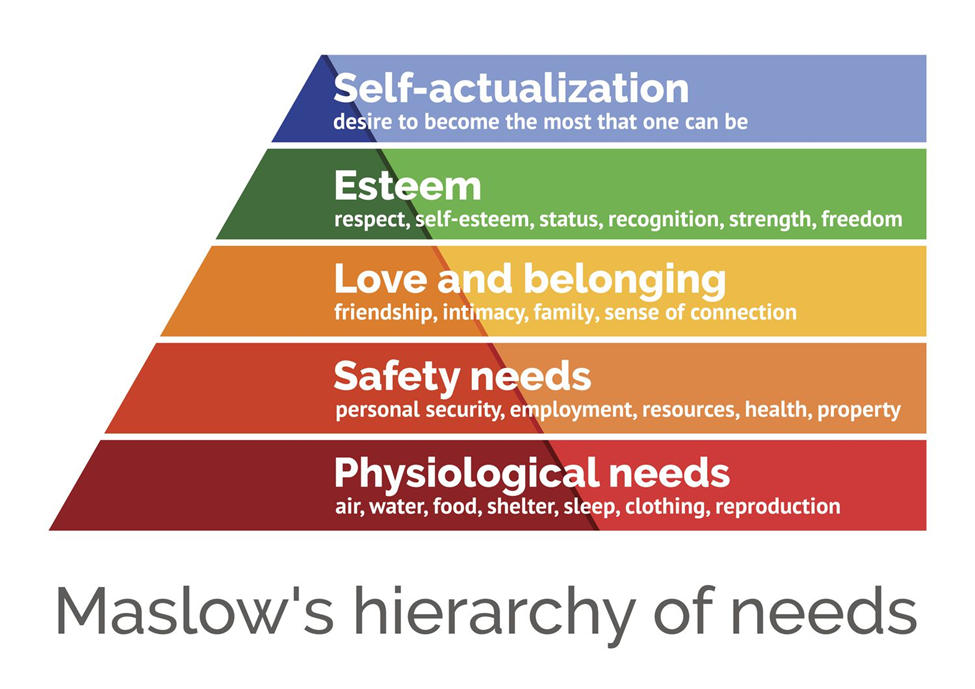
A. Needs to be taught about medication action and side effects: This problem relates to the client's need for information and understanding about their medication regimen, including its action and potential side effects. While education about medication is important, it may not be the top priority when considering Maslow's hierarchy of needs.
B. Refuses to eat or bathe: This problem directly impacts the client's physiological needs for food and hygiene, which are foundational in Maslow's hierarchy. Therefore, addressing the client's refusal to eat or bathe would take priority over other concerns.
C. Is reluctant to participate in unit social activities: This problem pertains to the client's social and emotional needs, which are higher-level needs in Maslow's hierarchy. While social activities can contribute to the client's well-being, they are not as critical as addressing immediate physiological needs.
D. Reports feelings of alienation from family: This problem relates to the client's sense of belongingness and love, which are also higher-level needs in Maslow's hierarchy. While addressing feelings of alienation is important for the client's overall well-being, it is not as urgent as addressing physiological needs.
Correct Answer is D
Explanation
A. Cognitive therapy:
Cognitive therapy is a type of psychotherapy that focuses on identifying and changing negative thought patterns and beliefs that contribute to emotional and behavioral issues. While cognitive therapy can be beneficial for addressing cognitive distortions and maladaptive thinking, it is more individual-focused and may not provide the group dynamics and social learning opportunities offered by milieu therapy.
B. Reality therapy:
Reality therapy is a therapeutic approach that emphasizes personal responsibility, choice, and action to address current problems and meet basic needs. While reality therapy focuses on individual accountability and decision-making, it may not specifically target group interactions and social skill development as milieu therapy does.
C. Dialectical behavioral therapy (DBT):
Dialectical behavioral therapy is a type of cognitive-behavioral therapy that combines elements of cognitive therapy and mindfulness techniques to help individuals regulate emotions, improve interpersonal skills, and manage distress. While DBT includes group skills training components, its primary focus is on individual therapy sessions and may not provide the same emphasis on group interactions and social learning as milieu therapy.
D. Milieu therapy.
Milieu therapy focuses on creating a therapeutic environment or community where clients can interact and engage in activities that promote positive social behaviors and enhance basic living skills. In milieu therapy, clients participate in group activities, social interactions, and structured routines designed to improve their communication skills, socialization, and daily living skills. The goal of milieu therapy is to create a supportive and structured environment that facilitates learning, socialization, and behavior change within a group setting.
Whether you are a student looking to ace your exams or a practicing nurse seeking to enhance your expertise , our nursing education contents will empower you with the confidence and competence to make a difference in the lives of patients and become a respected leader in the healthcare field.
Visit Naxlex, invest in your future and unlock endless possibilities with our unparalleled nursing education contents today