
A client is seeking relief for undiagnosed pain. There is no history of significant physical illness or injury. The history reveals that the client was laid off 4 months ago from a job. Which statement made by the client would most strongly suggest a somatoform disorder?
"I'm sure they will figure out what is wrong with me."
"I probably just overexerted myself working around the house. It's hard to slow down."
"I have been having a hard time lately. It's hard not working like I'm used to."
"I seem to have more pain now that I got laid off and staying home."
The Correct Answer is D
Choice A reason: This statement does not necessarily suggest a somatoform disorder, as it expresses hope for a medical diagnosis.
Choice B reason: Mentioning overexertion could be a logical explanation for pain and does not directly indicate a somatoform disorder.
Choice C reason: Expressing difficulty with life changes does not specifically suggest a somatoform disorder, which is characterized by physical symptoms without a medical cause.
Choice D reason: This statement suggests that the pain may be linked to psychological factors, such as stress from losing a job, which is characteristic of a somatoform disorder.
Nursing Test Bank
Naxlex Comprehensive Predictor Exams
Related Questions
Correct Answer is D
Explanation
Choice A reason: OCD behaviors are not typically aimed at preventing aggressive and impulsive behaviors but are a response to anxiety-provoking obsessions.
Choice B reason: The repetitive behaviors associated with OCD, such as cleaning, are not intended to manipulate others but are compulsions that the individual feels driven to perform.
Choice C reason: The goal of repetitive cleaning in OCD is not to decrease social interaction time but to alleviate the distress caused by obsessive thoughts, often related to cleanliness or contamination.
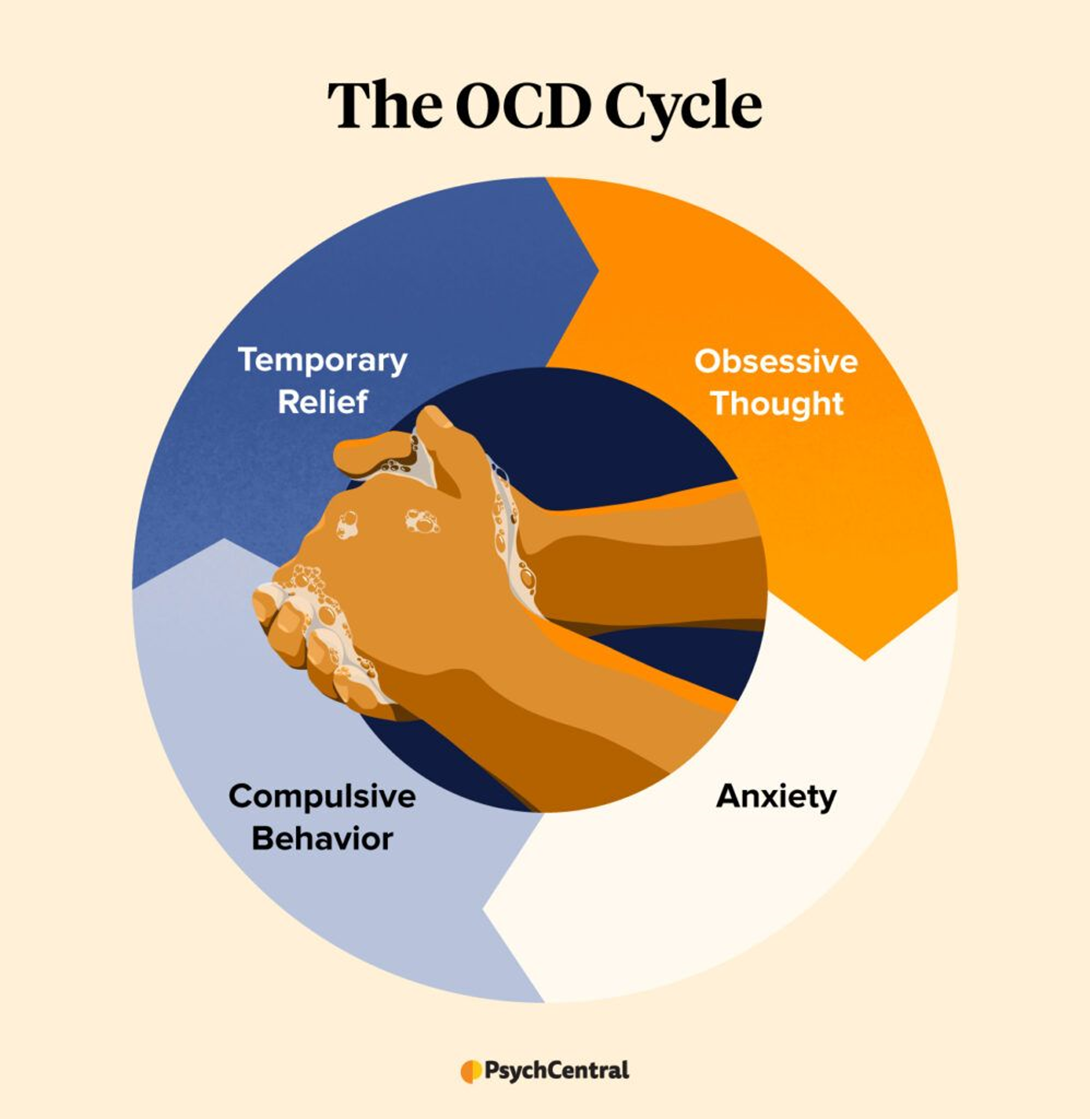
Choice D reason: Repetitive cleaning in OCD is a compulsion that aims to decrease the anxiety caused by obsessive thoughts. It is a way for the individual to manage their anxiety and gain a sense of control over their environment.
Correct Answer is ["A","B","D"]
Explanation
Choice A reason: This statement reflects a justification of the spouse's behavior, which can enable the continuation of abuse.
Choice B reason: Providing money for drugs, even if to prevent theft, is enabling the substance abuse to continue.
Choice C reason: Encouraging rehab is not enabling; it is an attempt to address the problem.
Choice D reason: Calling in sick for the spouse to cover for their potential job loss due to substance abuse is an enabling behavior.
Choice E reason: This is a protective behavior. Both are healthy responses to dealing with a partner’s destructive behavior.
Whether you are a student looking to ace your exams or a practicing nurse seeking to enhance your expertise , our nursing education contents will empower you with the confidence and competence to make a difference in the lives of patients and become a respected leader in the healthcare field.
Visit Naxlex, invest in your future and unlock endless possibilities with our unparalleled nursing education contents today