
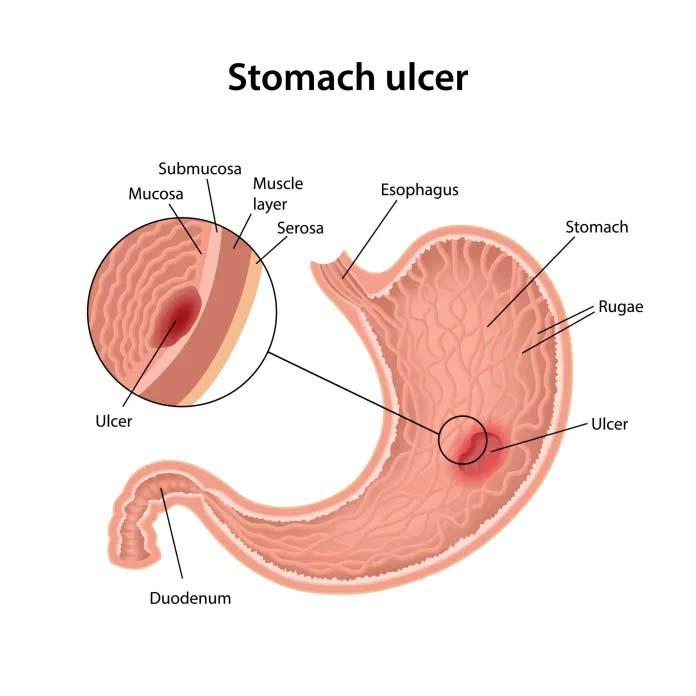
A client tells the nurse of concerns about possibly having a stomach ulcer because the client is experiencing heartburn and a dull gnawing pain that is relieved by eating. Which is the best response by the nurse?
Encourage the client to obtain a complete physical exam, as these symptoms are consistent with an ulcer.
Advise the client to seek immediate medical evaluation and treatment for these symptoms.
Instruct the client that these mild symptoms can generally be controlled with changes in the diet.
Assure the client that the symptoms may only reflect reflux, since ulcer pain is not relieved by food.
The Correct Answer is A
Choice A reason: Symptoms of heartburn and pain relieved by eating can indeed be consistent with an ulcer, and a complete physical exam can help diagnose the condition and rule out other causes.
Choice B reason: While immediate medical evaluation is important, it is not specified that the symptoms are severe or life-threatening, so it may not be the best initial advice.
Choice C reason: Diet changes can help manage symptoms of heartburn and indigestion, but they may not be sufficient if an ulcer is present.
Choice D reason: It is incorrect to assure the client that the symptoms are only reflux, as ulcer pain can indeed be relieved by food, contrary to the statement.
Nursing Test Bank
Naxlex Comprehensive Predictor Exams
Related Questions
Correct Answer is D
Explanation
Choice A reason: Sudden swelling, redness, warmth, and pain are more indicative of acute conditions like deep vein thrombosis rather than chronic arterial symptoms.
Choice B reason: Weeping ulcers on lower legs are more commonly associated with venous insufficiency rather than arterial disease.
Choice C reason: Ankle edema and varicose veins are typically associated with venous disorders, not arterial disease.
Choice D reason: Intermittent claudication, which is pain during walking that subsides with rest, is a hallmark of peripheral arterial disease and is an expected finding in clients with this condition.
Correct Answer is A
Explanation
Choice A reason: This response invites the client to describe specific behaviors, promoting reality testing and reducing global judgments. It shifts the focus to observable facts, encourages problem solving, and sets a neutral, nonjudgmental tone that helps manage splitting without taking sides or reinforcing dichotomous thinking.
Choice B reason: Promising to speak to the other nurse takes the nurse’s role beyond immediate assessment and may reinforce the client’s splitting by implying advocacy against staff. It avoids eliciting specifics, delays direct exploration of the client’s perception, and can undermine professional boundaries and accountability.
Choice C reason: Offering general reassurance about discharge does not address the client’s immediate interpersonal splitting or the complaint about the night nurse. It sidesteps the behavior, misses an opportunity for clarification, and fails to help the client examine or verbalize the concrete reasons behind their polarized view.
Choice D reason: Responding with flattery while asking which nurse was aloof can validate the client’s splitting and encourage manipulation or favoritism. It risks reinforcing the “favorite” dynamic and does not promote objective description of events or help the client process feelings in a therapeutic, boundary‑maintaining way.
Whether you are a student looking to ace your exams or a practicing nurse seeking to enhance your expertise , our nursing education contents will empower you with the confidence and competence to make a difference in the lives of patients and become a respected leader in the healthcare field.
Visit Naxlex, invest in your future and unlock endless possibilities with our unparalleled nursing education contents today