
A client who has lost their job may be struggling with what concept? Select the best answer.
Role performance
Body image
Self-image
Self-awareness
The Correct Answer is A
Choice A reason: This is the best answer. Role performance is the way that the client fulfills their expected roles in society, such as worker, parent, spouse, student, etc. It is influenced by the client's role expectations, role conflicts, role strain, and role changes. A client who has lost their job may experience a role change that affects their role performance. They may feel a loss of identity, purpose, or status. They may also face financial, emotional, or social challenges that impact their role performance.
Choice B reason: This is not the correct concept. Body image is the way that the client perceives and feels about their physical appearance, structure, or function. It is influenced by the client's age, gender, culture, health, and media. A client who has lost their job may not have a significant change in their body image, unless their job loss is related to a physical condition or injury.
Choice C reason: This is not the correct concept. Self-image is the way that the client perceives and describes themselves. It includes the client's physical, psychological, social, and spiritual attributes. It is influenced by the client's self-esteem, self-efficacy, and self-awareness. A client who has lost their job may have a change in their self-image, but it is not the main concept that they are struggling with. Their self-image may be affected by their role performance, but not vice versa.
Choice D reason: This is not the correct concept. Self-awareness is the ability of the client to recognize and understand their own feelings, thoughts, and behaviors. It is influenced by the client's self-reflection, self-evaluation, and feedback from others. A client who has lost their job may have a change in their self-awareness, but it is not the primary concept that they are struggling with. Their self-awareness may help them cope with their role performance, but not determine it.
Nursing Test Bank
Naxlex Comprehensive Predictor Exams
Related Questions
Correct Answer is C
Explanation
Choice A reason: This is not the client who has an increased risk for body-image disturbance. A cardiac catheterization is a procedure that involves inserting a thin tube into a blood vessel and guiding it to the heart. It is used to diagnose or treat heart problems. It does not cause any visible changes to the body or affect the client's appearance or function.
Choice B reason: This is not the client who has an increased risk for body-image disturbance. An appendectomy is a surgery that involves removing the appendix, which is a small pouch attached to the large intestine. It is used to treat appendicitis, which is an inflammation of the appendix. It does not cause any significant changes to the body or affect the client's appearance or function.
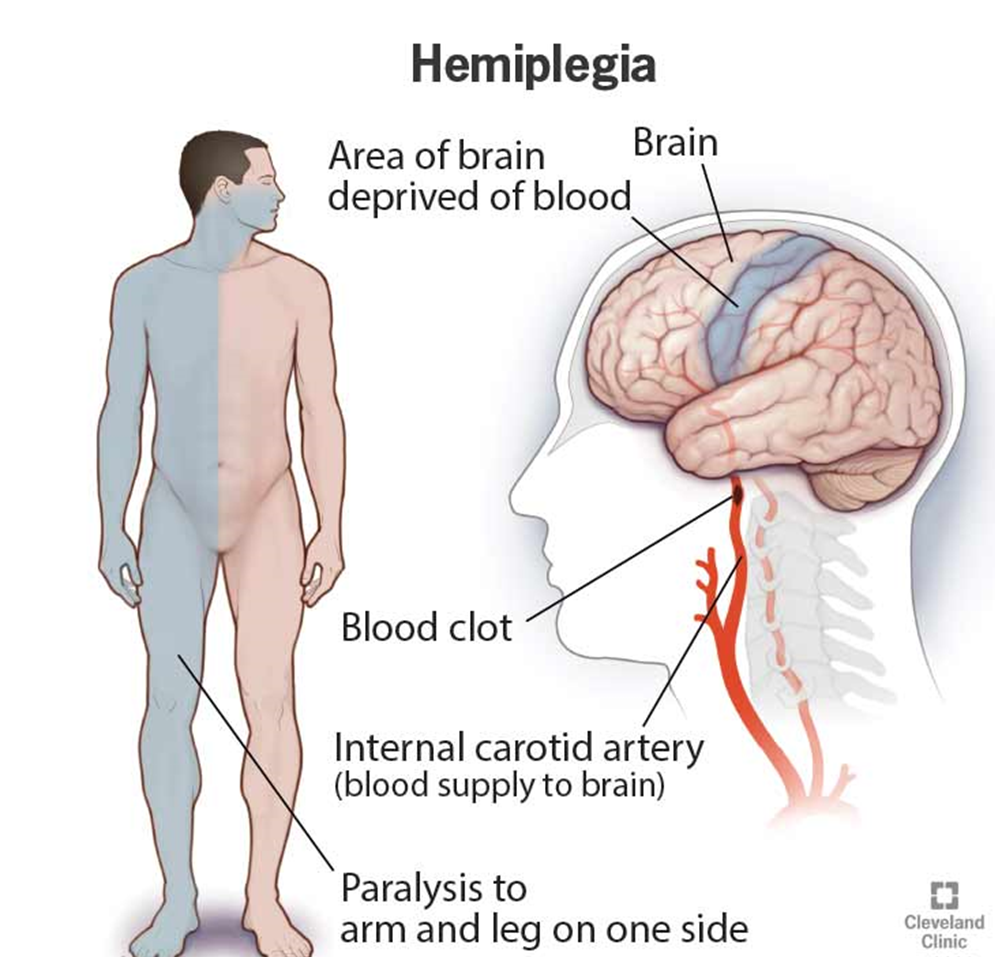
Choice C reason: This is the client who has an increased risk for body-image disturbance. A stroke is a condition that occurs when the blood supply to a part of the brain is interrupted, causing brain cells to die. It can cause various neurological impairments, depending on the location and severity of the damage. Left-sided hemiplegia is a paralysis of the left side of the body, which can affect the client's movement, sensation, speech, and facial expression. It can cause a noticeable change to the body and affect the client's appearance and function.
Choice D reason: This is not the client who has an increased risk for body-image disturbance. Shoulder surgery is a surgery that involves repairing or replacing the structures of the shoulder joint, such as the bones, muscles, tendons, or ligaments. It is used to treat shoulder injuries or disorders, such as fractures, dislocations, arthritis, or rotator cuff tears. It does not cause any major changes to the body or affect the client's appearance or function.
Correct Answer is A
Explanation
Choice A reason: This is the best answer. Patient-centered care is a model of care that respects the client's preferences, values, and needs. By involving the client in problem-solving and decision-making, the nurse empowers the client and promotes their autonomy and dignity.
Choice B reason: This is not a good answer. Delivering all requests made by the client may not be feasible, ethical, or beneficial for the client. The nurse should assess the client's requests and determine if they are appropriate and aligned with the client's goals of care.
Choice C reason: This is a poor answer. Disregarding visiting hours is not patient-centered care, but rather a violation of the health care facility's policies and procedures. Visiting hours are established to ensure the safety and comfort of all clients and staff.
Choice D reason: This is a bad answer. Using only the decisions you feel are best for the client is not patient-centered care, but rather paternalistic care. Paternalistic care is a model of care that assumes the nurse knows what is best for the client and imposes their decisions on the client without their consent or input.
Whether you are a student looking to ace your exams or a practicing nurse seeking to enhance your expertise , our nursing education contents will empower you with the confidence and competence to make a difference in the lives of patients and become a respected leader in the healthcare field.
Visit Naxlex, invest in your future and unlock endless possibilities with our unparalleled nursing education contents today