
A home health nurse is caring for a client who has a Clostridium difficile infection. Which of the following actions should the nurse take?
Clean the client's bathroom with a diluted bleach solution.
Instruct the client to avoid the use of probiotics.
Obtain a surgical mask for the client to wear when away from home.
Use an alcohol-based hand sanitizer following care.
The Correct Answer is A
Clostridium difficile is a highly contagious bacterium that can survive on surfaces for long periods of time. Cleaning the bathroom with a diluted bleach solution is an effective way to kill the bacteria and prevent its spread. The nurse should also instruct the client to wash their hands frequently with soap and water, as alcohol-based hand sanitizers are not effective against Clostridium difficile.
It is not necessary for the client to wear a surgical mask when away from home, as the bacteria is primarily spread through contact with contaminated surfaces. The use of probiotics may be beneficial in restoring the balance of gut bacteria in some cases, but there is limited evidence to support its use in preventing or treating Clostridium difficile infections.

Nursing Test Bank
Naxlex Comprehensive Predictor Exams
Related Questions
Correct Answer is B
Explanation
The client has documentation stating he has less than 12 months to live.
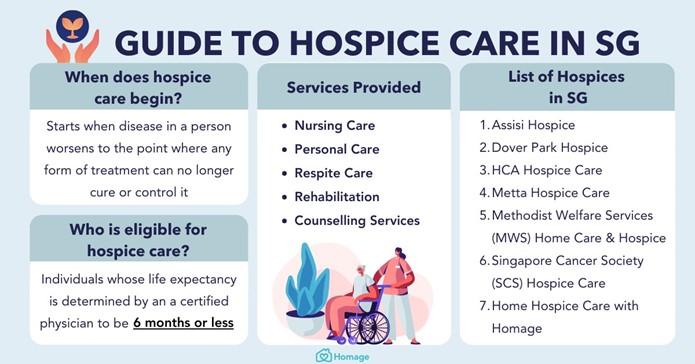
Hospice care is a type of palliative care that focuses on providing comfort and support to individuals who are in the end stages of a terminal illness. In order to qualify for hospice care, a client must have documentation from a physician stating that they have a life expectancy of six months or less if their illness follows its normal course.
The client's insurance coverage may vary, but it is not a determining factor in qualifying for hospice care.
The decision to decline life-prolonging treatments is a personal one that may align with a client's end-of-life goals, but it is not a requirement for hospice care.
Finally, the need for inpatient care due to a lack of caregiver support may be a factor in determining the most appropriate level of care, but it is not a requirement for hospice care.
Correct Answer is B
Explanation
As a member of a faith-based community, a parish nurse's role is to promote the physical, emotional, and spiritual health of the community members. Stress management strategies are an important aspect of overall health, and teaching stress management techniques can help community members manage stress and improve their overall well-being.
Changing a negative pressure wound therapy dressing, offering primary care to uninsured members, and providing case management are all important healthcare interventions, but they are not appropriate activities for a faith-based community setting. These interventions are best provided in a healthcare facility, such as a hospital or clinic, by licensed healthcare providers.
Whether you are a student looking to ace your exams or a practicing nurse seeking to enhance your expertise , our nursing education contents will empower you with the confidence and competence to make a difference in the lives of patients and become a respected leader in the healthcare field.
Visit Naxlex, invest in your future and unlock endless possibilities with our unparalleled nursing education contents today