
A male client arrives at the mental health clinic and asks the nurse for more lithium and the antidepressant amitriptyline that he uses to help him sleep. After reviewing the assessment findings with the healthcare provider, a serum creatinine is obtained. Which information supports the reason for this laboratory test?
Creatinine can measure how the body is metabolizing the lithium in the liver.
The effects of amitriptyline can promote and potentiate the risk of lithium toxicity.
The combination of lithium and amitriptyline may need to be changed if creatinine is high.
Lithium is excreted by the kidneys, and creatinine is related to kidney functioning.
The Correct Answer is D
A. Creatinine primarily reflects kidney function, not the metabolism of lithium in the liver.
B. Amitriptyline's effects on lithium toxicity are not directly related to creatinine levels.
However, both drugs can impact kidney function.
C. The decision to change medication based on creatinine levels involves assessing the impact on kidney function, not the combination of lithium and amitriptyline per se.
D. Lithium is excreted by the kidneys, and monitoring creatinine levels helps assess renal function, guiding the appropriate dosage and preventing lithium toxicity.
Nursing Test Bank
Naxlex Comprehensive Predictor Exams
Related Questions
Correct Answer is C
Explanation
A. Inquiring about recent stresses is relevant but may not specifically address the emotional state associated with depression.
B. Asking about food preferences is important for a comprehensive assessment but may not be the most direct question for assessing depression.
C. Inquiring about whether the client often feels sad is crucial for assessing the emotional aspect of depression.
D. While changes in sleep patterns are significant, the question about feeling sad directly addresses the emotional component of depression, which is important for a comprehensive assessment.
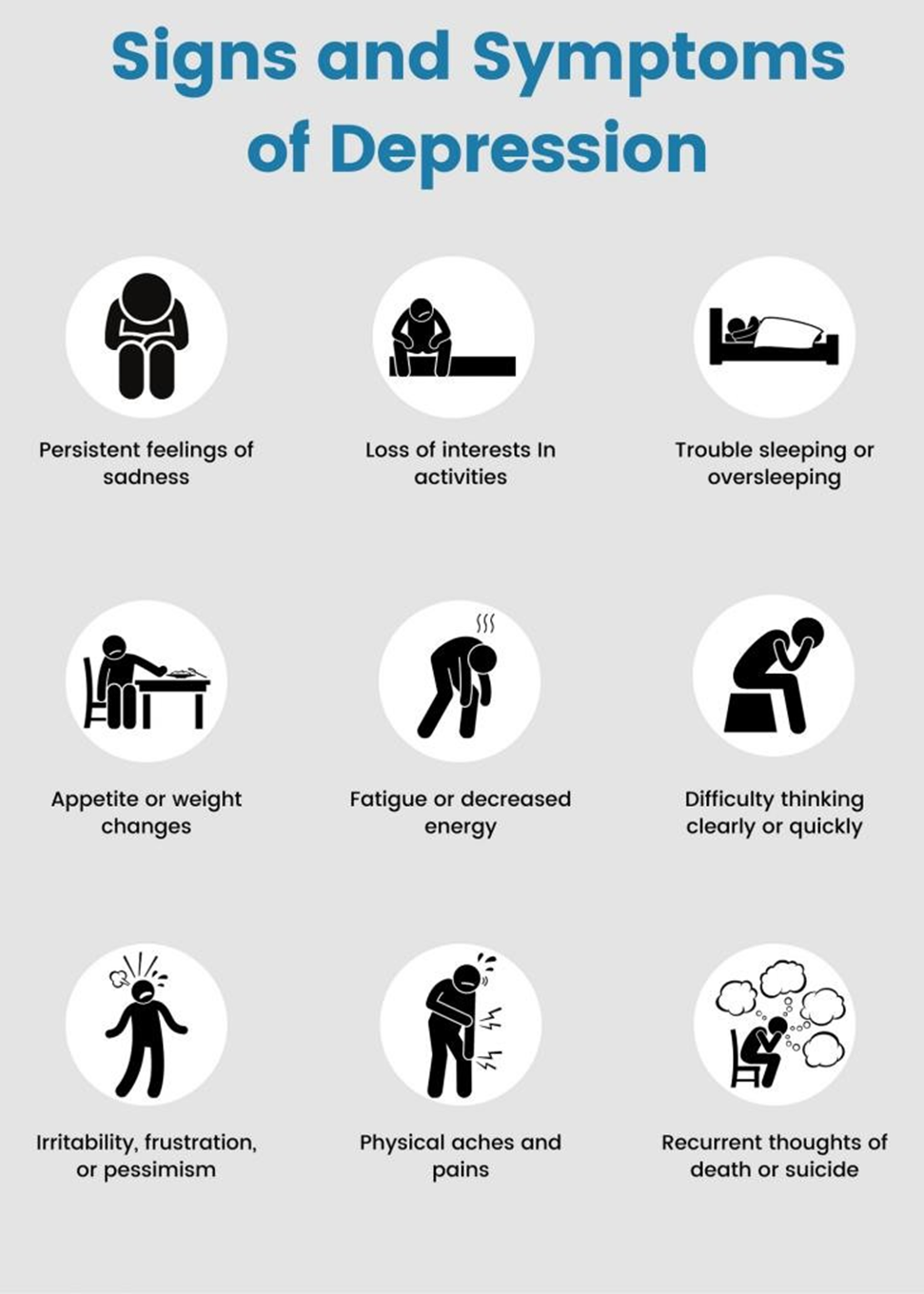
Correct Answer is C
Explanation
A. Level of activity, interactions with others, and appetite are important aspects, but the emotional quality of attitude is central in assessing the effectiveness of an antidepressant.
Changes in mood and affect are critical indicators of the drug's impact on the client's mental health.
B. Interactions with others provide valuable information but may not capture the internal emotional experience of the client.
C. The emotional quality of attitude reflects the client's internal state and is a key indicator of the antidepressant's impact on their depressive symptoms.
D. Appetite is a relevant aspect, but it may not be as direct an indicator of the antidepressant's efficacy as changes in the emotional quality of attitude.
Whether you are a student looking to ace your exams or a practicing nurse seeking to enhance your expertise , our nursing education contents will empower you with the confidence and competence to make a difference in the lives of patients and become a respected leader in the healthcare field.
Visit Naxlex, invest in your future and unlock endless possibilities with our unparalleled nursing education contents today