
A nurse is assessing a child who was recently adopted from a foreign country and has not yet received any immunizations. The child has a high fever, rhinitis, and sore throat: The nurse also notes small, irregular, bright red spots with a blue-white center on the buccal membrane. What would the nurse suspect?
Rubella
Varicella
Rubeola
Infectious Mononucleosis
The Correct Answer is C
A. Rubella:
Rubella, also known as German measles, typically presents with a rash that starts on the face and spreads to the trunk and limbs. It does not cause Koplik spots, the small red spots with a blue-white center mentioned in the scenario.
B. Varicella:
Varicella, or chickenpox, is characterized by an itchy rash that progresses to fluid-filled vesicles. It does not typically involve Koplik spots, and the scenario doesn't describe a vesicular rash.
C. Rubeola (Measles):
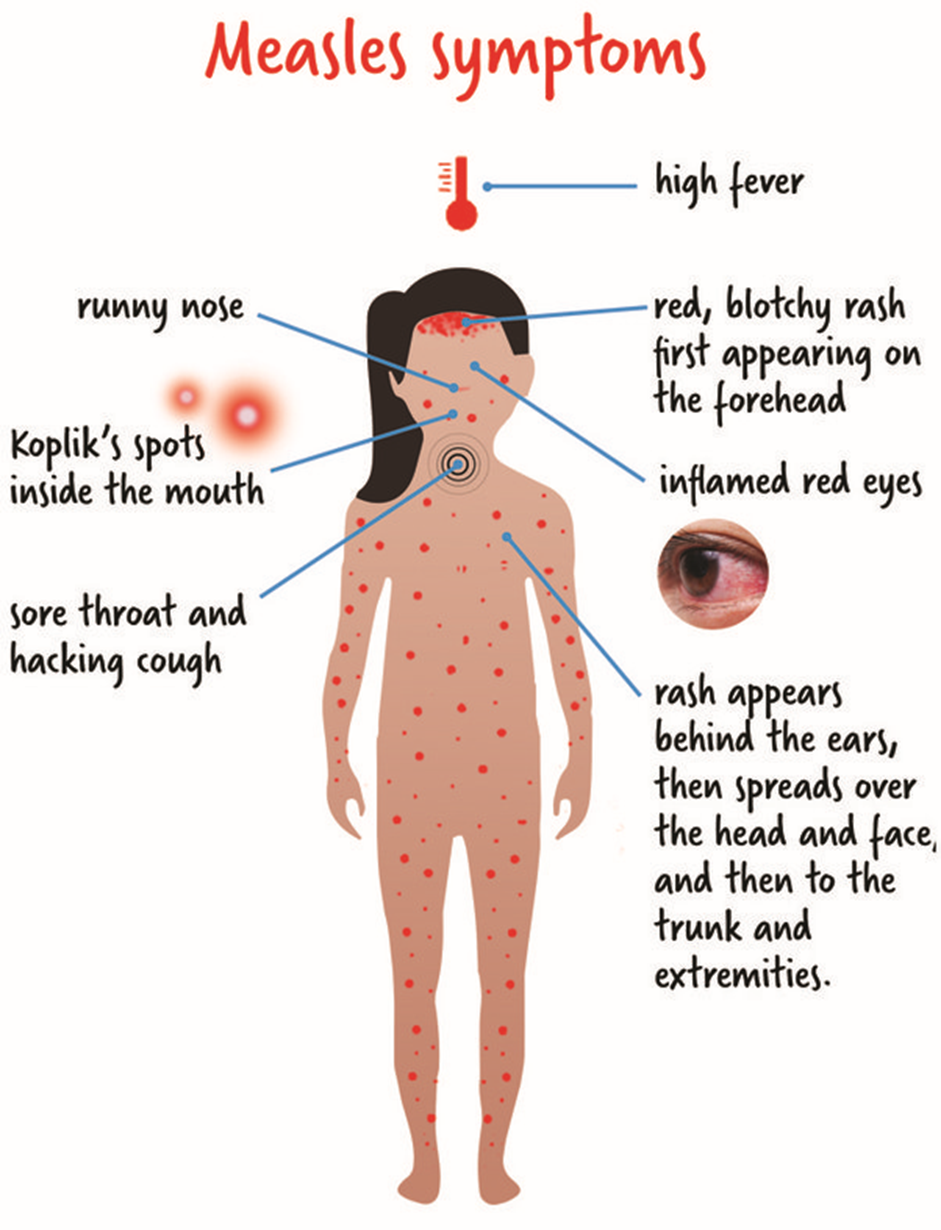
Rubeola, or measles, presents with symptoms such as high fever, cough, rhinitis, and conjunctivitis. The characteristic Koplik spots, small red spots with a blue-white center, often appear on the buccal mucosa. This matches the description in the scenario.
D. Infectious Mononucleosis:
Infectious Mononucleosis is characterized by symptoms like fever, sore throat, and swollen lymph nodes. It does not present with the specific buccal membrane spots seen in measles, and the scenario does not mention other typical signs of infectious mononucleosis.
Nursing Test Bank
Naxlex Comprehensive Predictor Exams
Related Questions
Correct Answer is D
Explanation
A. Painting pictures in the art corner of the room:
Painting pictures in the art corner can be a fun and creative activity for preschoolers. It allows them to express themselves through art and develop fine motor skills. However, it might not be a group activity unless they are sharing materials and ideas.
B. Watching a movie with other children their age:
Watching a movie can be an enjoyable activity for preschoolers, especially if the content is age-appropriate. However, it is a passive activity, and group interactions might be limited during the movie.
C. Playing a board game:
Playing a board game can be a good group activity that involves turn-taking, following rules, and social interaction. However, some board games may be more suitable for older children who have developed certain cognitive and social skills.
D. Pretending to be mommies and daddies in the playhouse:
Pretend play, such as pretending to be mommies and daddies in a playhouse, is a developmentally appropriate and common activity for preschoolers. It encourages imaginative play, role-playing, and social interaction, helping with emotional and social development.
Correct Answer is C
Explanation
A. The nurse applies elbow restraints to the infant:
The use of elbow restraints is not a standard intervention for impetigo. Restraints are typically used for specific medical reasons, such as preventing the infant from interfering with medical equipment or procedures. It is not the highest priority in managing impetigo.
B. The nurse soaks the skin with warm water:
Soaking the skin with warm water can help in keeping the affected areas clean and promoting healing, but it is not the highest priority when considering the prevention of the spread of impetigo.
C. The nurse follows contact precautions:
Following contact precautions is the highest priority when dealing with impetigo. Since impetigo is highly contagious, implementing contact precautions, such as wearing appropriate PPE, is crucial to prevent the spread of the infection within the hospital setting.
D. The nurse applies topical antibiotics to the lesions:
Applying topical antibiotics is an important part of the treatment for impetigo. It helps to eliminate the bacterial infection and promote healing. However, while important, it is not the highest priority compared to preventing the spread of the infection through contact precautions.
Whether you are a student looking to ace your exams or a practicing nurse seeking to enhance your expertise , our nursing education contents will empower you with the confidence and competence to make a difference in the lives of patients and become a respected leader in the healthcare field.
Visit Naxlex, invest in your future and unlock endless possibilities with our unparalleled nursing education contents today