
A nurse is assessing a client who has hypermagnesemia. Which of the following medications should the nurse prepare to administer?
Calcium gluconate
Flumazenil
Acetylcysteine
Protamine sulfate
The Correct Answer is A
A. Calcium gluconate.
Hypermagnesemia refers to an abnormally high level of magnesium in the blood. High levels of magnesium can lead to muscle weakness, decreased reflexes, confusion, and other symptoms. One of the primary treatments for hypermagnesemia is administering calcium gluconate. Calcium gluconate is given intravenously and works by counteracting the effects of excess magnesium on muscles and nerves. It can help restore normal neuromuscular function and decrease symptoms associated with hypermagnesemia.
B. Flumazenil is used to reverse the effects of benzodiazepine overdose or excessive sedation. It has no direct effect on magnesium levels.
C. Acetylcysteine is used to treat acetaminophen (paracetamol) overdose and prevent liver damage. It is not related to treating hypermagnesemia.
D. Protamine sulfate is used to reverse the effects of heparin, a blood-thinning medication. It does not have a role in treating hypermagnesemia.

Nursing Test Bank
Naxlex Comprehensive Predictor Exams
Related Questions
Correct Answer is D
Explanation
A. Replace the infusion with 0.9% sodium chloride:
Incorrect Explanation: While replacing the infusion with a different solution might be considered later, it's not the immediate next step.
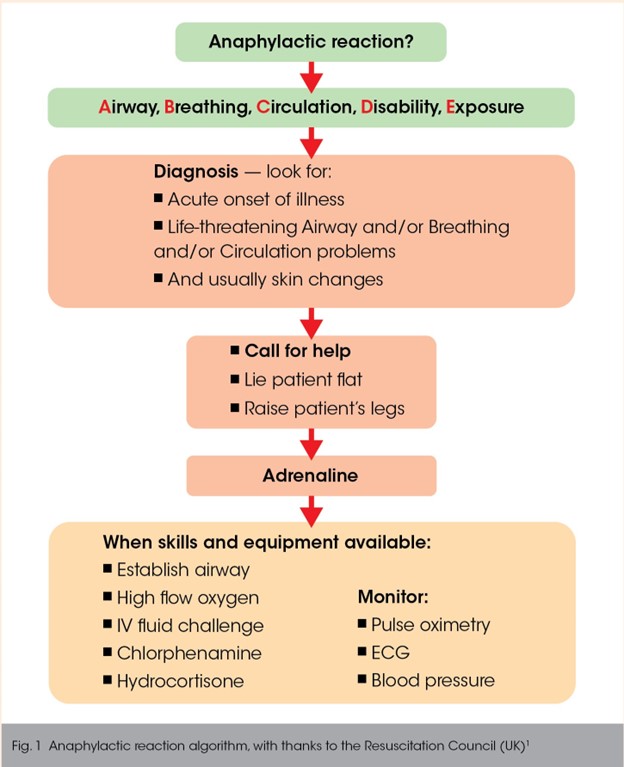
Explanation: The primary concern during an anaphylactic reaction is ensuring the client's airway, breathing, and circulation. Addressing the medication infusion should come after stabilizing the client's condition.
B. Give diphenhydramine IM:
Incorrect Explanation: Administering diphenhydramine (an antihistamine) can be beneficial, but it's not the initial priority.
Explanation: Diphenhydramine can help mitigate allergic symptoms, but it's not the first-line treatment for severe anaphylaxis.
C. Elevate the client's legs and feet:
Incorrect Explanation: Elevating the legs and feet is not the appropriate action for managing anaphylaxis.
Explanation: During anaphylaxis, maintaining the airway, ensuring proper circulation, and administering appropriate medications take precedence over elevating the legs.
D. Administer epinephrine IM:
Correct Answer: Administering epinephrine (adrenaline) IM is the appropriate next step in managing anaphylaxis.
Explanation: Epinephrine is the first-line treatment for severe anaphylactic reactions. It helps counteract the symptoms of anaphylaxis by constricting blood vessels, improving circulation, and opening airways. Epinephrine should be administered promptly and followed by seeking emergency medical care.
Correct Answer is A
Explanation
A. Bruxism:
Correct Answer: This adverse effect is a priority to report to the provider.
Explanation: Bruxism refers to teeth grinding or clenching, often unconsciously during sleep. It can be a potential side effect of citalopram and other selective serotonin reuptake inhibitors (SSRIs). Bruxism can lead to dental problems, jaw pain, and other discomforts. If this side effect occurs, it should be reported to the provider as it can impact the client's oral health and overall well-being.
B. Confusion:
Incorrect Explanation: While confusion is a concerning adverse effect, it's not typically associated with citalopram use.
Explanation: Confusion is more commonly associated with other medications or medical conditions. If a client experiences confusion, a thorough assessment is warranted, but it may not be directly attributed to citalopram.
C. Weight loss:
Incorrect Explanation: Weight loss can be a side effect of citalopram, but it's not the highest priority in this scenario.
Explanation: Weight loss is a possible side effect of many antidepressants, including citalopram. However, it is generally not as immediately concerning as other adverse effects that can impact a client's health and well-being.
D. Insomnia:
Incorrect Explanation: Insomnia is a common side effect of citalopram and other antidepressants, but it's not the highest priority in this context.
Explanation: Insomnia can be a transient side effect when starting an antidepressant-like citalopram. While it can affect the client's quality of life, it is not as urgent as potential dental issues caused by bruxism.
Whether you are a student looking to ace your exams or a practicing nurse seeking to enhance your expertise , our nursing education contents will empower you with the confidence and competence to make a difference in the lives of patients and become a respected leader in the healthcare field.
Visit Naxlex, invest in your future and unlock endless possibilities with our unparalleled nursing education contents today