
A nurse is assessing a client who is at 27 weeks of gestation and has preeclampsia. Which of the following findings should the nurse report to the provider?
Creatinine 0.8 mg/dL.
Platelet count 60,000/mm.
Hemoglobin 148 g/dL.
Urine protein concentration 200.
The Correct Answer is B
A platelet count of 60,000/mm is low and can be a sign of HELLP syndrome (Hemolysis Elevated Liver enzymes Low Platelet count), which is a serious complication of preeclampsia.
Choice A is not the answer because a creatinine level of 0.8 mg/dL is within the normal range.
Choice C is not the answer because a hemoglobin level of 148 g/dL is within the normal range.
Choice D is not the answer because urine protein concentration of 200 mg/dL is within the normal range for preeclampsia.
Nursing Test Bank
Naxlex Comprehensive Predictor Exams
Related Questions
Correct Answer is B
Explanation
When a client is receiving magnesium sulfate by continuous IV infusion for preterm labor, it is important for the nurse to review the serum medication level to ensure that the client is receiving an appropriate dose and to monitor for signs of magnesium toxicity.
Choice A is not an answer because an indirect Coombs test is used to detect antibodies against red blood cells and is not relevant to magnesium sulfate therapy.
Choice C is not an answer because liver enzymes are not directly relevant to magnesium sulfate therapy.
Choice D is not an answer because uric acid levels are not directly relevant to magnesium sulfate therapy.
Correct Answer is C
Explanation
The Babinski reflex, also known as the plantar reflex, is a normal reflex in infants
that occurs when the sole of the foot is stroked from heel to toe.
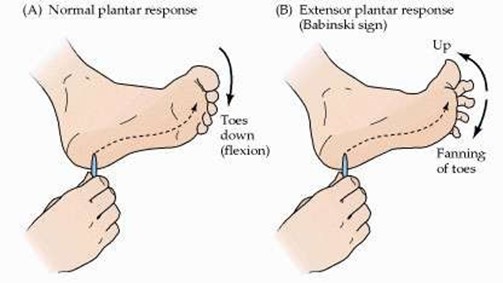
In response to this stimulus, the big toe moves upward or toward the top surface of the foot and the other toes fan out.
Choice A is not an answer because flexion of the forearm is not a response to stimulation of the foot.
Choice B is not an answer because downward curl of the toes is not a response
to stimulation of the foot.
Choice D is not an answer because extension of the leg is not a response to
stimulation of the foot.
Whether you are a student looking to ace your exams or a practicing nurse seeking to enhance your expertise , our nursing education contents will empower you with the confidence and competence to make a difference in the lives of patients and become a respected leader in the healthcare field.
Visit Naxlex, invest in your future and unlock endless possibilities with our unparalleled nursing education contents today