
A nurse is caring for a 6-year old child suffering from separation anxiety. Which finding would a nurse expect when assessing the child? The child's:
father and mother have different parenting styles.
history includes antisocial behavior.
home environment lacks organization.
mother was stressed during pregnancy.
The Correct Answer is A
A. Separation anxiety is primarily characterized by excessive distress or fear when separated from primary caregivers, and differences in parenting styles between the child's parents may affect the child's sense of security and exacerbate separation anxiety symptoms.
B. Separation anxiety is a common childhood anxiety disorder characterized by excessive worry or fear about separation from attachment figures, such as parents or caregivers. It is not typically associated with antisocial behavior
C. Separation anxiety is primarily related to the child's emotional response to separation from attachment figures and is not necessarily caused by environmental factors such as the organization of the home.
D. Prenatal stress may contribute to the child's overall risk for anxiety disorders. However, it is not a definitive predictor of separation anxiety in childhood.
Nursing Test Bank
Naxlex Comprehensive Predictor Exams
Related Questions
Correct Answer is D
Explanation
D. Pepperoni pizza and red wine are both high in tyramine and should be avoided when taking MAOIs. The aging and fermentation processes involved in the production of pepperoni and red wine increase the tyramine content, which can lead to a dangerous increase in blood pressure when combined with MAOIs.
A. Potato chips are generally considered safe to eat in moderation with MAOIs, as they do not contain high levels of tyramine. Diet Coke is also considered safe as it does not contain tyramine.
B. Bagels with cream cheese typically do not contain high levels of tyramine, and tea is generally considered safe to consume with MAOIs.
C. Apple pie may contain moderate levels of tyramine, particularly if it contains aged or fermented apples. However, the tyramine content in apple pie is generally not high enough to pose a significant risk when consumed in moderation. Coffee, on the other hand, contains tyramine, but the amount is usually not enough to cause a severe reaction.
Correct Answer is D
Explanation
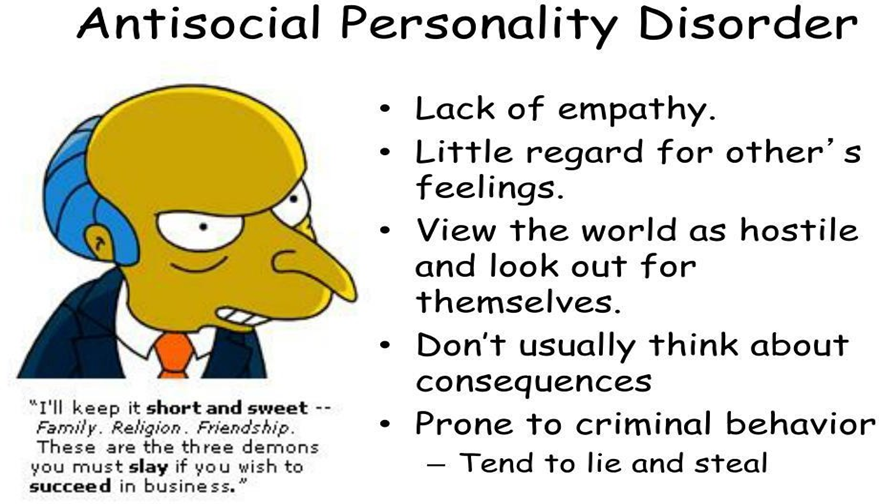
D. This response is consistent with the characteristics of antisocial personality disorder, which include a lack of remorse, as well as a tendency to rationalize behavior or blame others. Individuals with this disorder often fail to accept responsibility for their actions and may exhibit behaviors that are impulsive, reckless, and violate the rights of others without feeling guilty.
A. Individuals with antisocial personality disorder often lack remorse or empathy for the consequences of their actions and may not experience feelings of shame or guilt, even when their behavior results in harm to others.
B. Expressing genuine remorse or empathy for the harm caused to others is uncommon in individuals with antisocial personality disorder.
C. Claiming to have no memory of the behavior or the events leading up to it is a common defense mechanism used. This may serve to avoid accountability or responsibility for their actions, rather than indicating genuine memory impairment. However, it is not characteristic for antisocial personality disorder.
Whether you are a student looking to ace your exams or a practicing nurse seeking to enhance your expertise , our nursing education contents will empower you with the confidence and competence to make a difference in the lives of patients and become a respected leader in the healthcare field.
Visit Naxlex, invest in your future and unlock endless possibilities with our unparalleled nursing education contents today