
A nurse is caring for a client who has a new prescription for a nitroglycerin transdermal patch. Which of the following actions should the nurse take?
Take the patch off prior to bathing the client.
Monitor for hypertension after application of the patch.
Rotate the application sites of the patch.
Remove the patch every 24 hr
The Correct Answer is C
A. Nitroglycerin patches should not be removed for routine activities like bathing unless specifically instructed.
B. Nitroglycerin is used to treat hypertension, not induce it. Monitoring for hypertension after applying the patch is unnecessary.
C. To prevent skin irritation and tolerance to the medication, it is important to rotate the application sites when using a transdermal patch. This allows the skin to recover and helps maintain the effectiveness of the medication.
D. Nitroglycerin patches are typically worn continuously for 12 to 14 hours and then removed for a 10- to 12-hour nitrate-free interval to prevent tolerance to the medication.
Nursing Test Bank
Naxlex Comprehensive Predictor Exams
Related Questions
Correct Answer is B
Explanation
B. The correct angle for insulin injections is typically 90 degrees when administering into areas with adequate subcutaneous tissue, such as the abdomen or thigh.
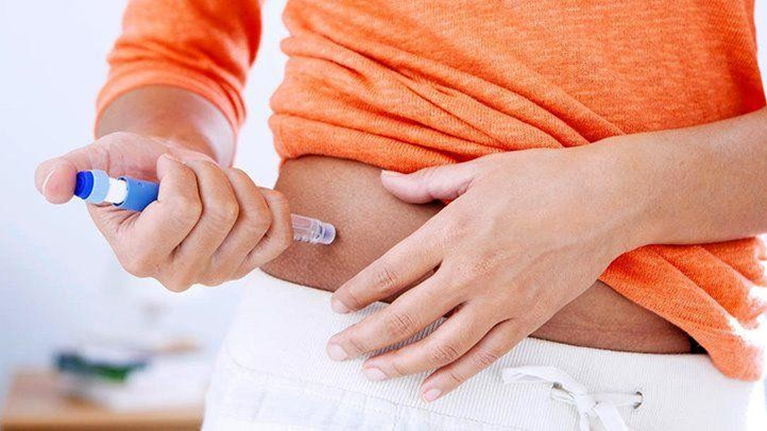
A. Insulin injections should not be administered rapidly, as this can cause discomfort or bruising at the injection site. Additionally, a 20-gauge needle is too large for insulin injections, which typically require smaller gauge needles.
C. Insulin injections are typically administered using insulin syringes, not tuberculin syringes. Additionally, the recommended angle for insulin injections is 90 degrees, not 15 degrees.
D. The Z-track method is a technique used to minimize medication leakage or staining of the skin when administering certain medications, particularly those with irritating properties or medications given intramuscularly.
Correct Answer is A
Explanation
A. Increased respiratory rate is a sign that naloxone is effectively reversing opioid-induced respiratory depression. Opioids can suppress the respiratory drive, leading to hypoventilation or respiratory arrest. Naloxone works by competitively binding to opioid receptors and displacing opioids, thereby restoring normal respiratory function.
B. Increased temperature is not a direct effect of naloxone administration. Naloxone primarily reverses the central nervous system depressant effects of opioids, including respiratory depression and sedation, rather than affecting body temperature.
C. Naloxone does not directly affect pain perception. Its primary action is to reverse the respiratory depression and central nervous system depression caused by opioids. While the client may experience pain relief indirectly as a result of improved respiratory function and consciousness, naloxone itself does not directly reduce pain.
D. Decreased blood pressure is not a direct effect of naloxone administration. Naloxone primarily reverses the respiratory and central nervous system depressant effects of opioids, rather than affecting blood pressure directly.
Whether you are a student looking to ace your exams or a practicing nurse seeking to enhance your expertise , our nursing education contents will empower you with the confidence and competence to make a difference in the lives of patients and become a respected leader in the healthcare field.
Visit Naxlex, invest in your future and unlock endless possibilities with our unparalleled nursing education contents today