
A nurse is caring for a client who is 1 day postpartum and breastfeeding her newborn. The client reports sore nipples. Which of the following actions should the nurse take?
offer supplemental formula between the newborn's feedings.
Have the client limit the length of breastfeeding to 5 min per breast.
Instruct the client to wait 4 hr between daytime feedings.
Assess the newborn's latch while breastfeeding.
The Correct Answer is D
This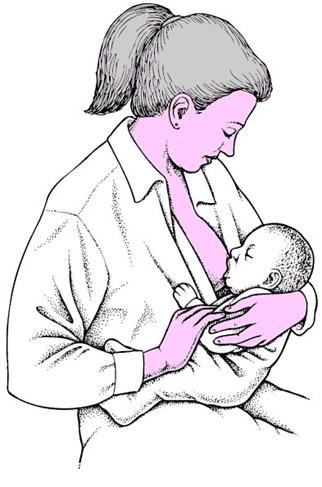 suggests that the nurse should assess the newborn's latch while breastfeeding. Sore nipples are a common concern among breastfeeding mothers, and the most common cause is an improper latch. The nurse should ensure that the baby is latching on correctly and not causing trauma to the mother's nipples. A proper latch involves the baby taking in a good portion of the areola and not just the nipple. Assessing the newborn's latch can help identify any issues with the baby's mouth or tongue that may be causing difficulty latching on. If the baby is not latching correctly, the nurse can provide education and support to help the mother correct the issue. Offering supplemental formula between feedings (choice A) is not recommended as it can decrease the frequency of breastfeeding and reduce the stimulation for milk production, leading to decreased milk supply. Instructing the client to wait 4 hours between daytime feedings (choice C) is not recommended as it can decrease milk production and lead to inadequate nutrition for the newborn.
Nursing Test Bank
Naxlex Comprehensive Predictor Exams
Related Questions
Correct Answer is C
Explanation
A. While contact precautions may be necessary for certain infections, they are not specifically required for an HIV-positive mother’s newborn if the infant is not infected. The newborn’s HIV status should be confirmed through testing.
B. IV antibiotics are not routinely administered to newborns of HIV-positive mothers unless there is a specific indication for infection prevention or treatment.
C. It is crucial to clean the newborn promptly after delivery to reduce the risk of HIV transmission, as HIV can be present in blood and other bodily fluids. Proper cleansing helps minimize the risk of exposure.
D. Breastfeeding is contraindicated for mothers with HIV because HIV can be transmitted through breast milk. Instead, formula feeding is recommended to prevent transmission.
Correct Answer is C
Explanation
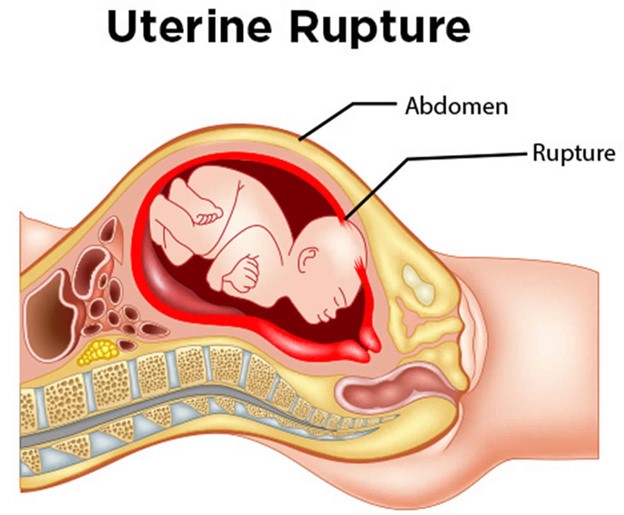
Uterine rupture. The sudden, severe lower abdominal pain, drop in blood pressure, and signs of shock such as cool skin and pallor all point to a potential intra-abdominal hemorrhage most likely due to Uterine rupture. Additionally, the prolonged bradycardia on the fetal heart rate tracing indicates that the baby may be experiencing fetal distress due to a compromised blood supply. Amniotic fluid embolism triggers an allergic reaction, causing a sudden onset of respiratory distress, hypotension, and cardiac arrest. Option D, placenta previa, occurs when the placenta implants in the lower uterine segment, partially or completely covering the cervical os. This can lead to painless vaginal bleeding but typically does not present with sudden, severe abdominal pain or signs of shock.
Whether you are a student looking to ace your exams or a practicing nurse seeking to enhance your expertise , our nursing education contents will empower you with the confidence and competence to make a difference in the lives of patients and become a respected leader in the healthcare field.
Visit Naxlex, invest in your future and unlock endless possibilities with our unparalleled nursing education contents today