
A nurse is caring for a client who is in labor and just received epidural anesthesia. The client's blood pressure is 90/50 mm Hg.
Which of the following actions should the nurse take?
Initiate an amnioinfusion for the client.
Turn the client onto their side.
Monitor the client's blood pressure every 15 min.
Administer naloxone to the client.
The Correct Answer is B
It’s normal for blood pressure to fall a little when a client receives an epidural.
If necessary, fluids and medicine can be given through a drip to keep blood pressure normal.
Choice A) is not correct because initiating an amnioinfusion is not mentioned as an immediate intervention for low blood pressure after epidural anesthesia .
Choice C) is not correct because monitoring the client’s blood pressure every 15 min is not mentioned as an immediate intervention for low blood pressure after epidural anesthesia .
Choice D) is not correct because administering naloxone to the client is not mentioned as an immediate intervention for low blood pressure after epidural anesthesia .
Nursing Test Bank
Naxlex Comprehensive Predictor Exams
Related Questions
Correct Answer is D
Explanation
The first action the nurse should take is to apply identification bands to the newborn (choice D).
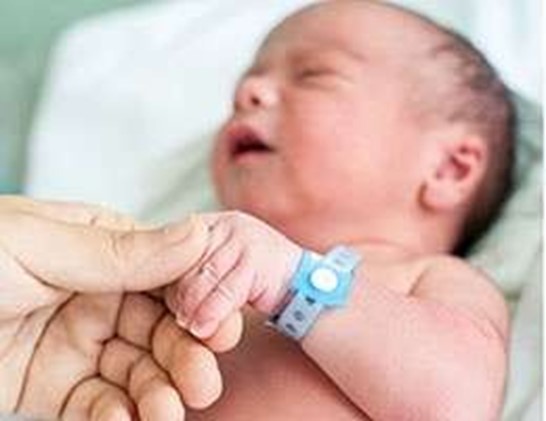
This is an important step in ensuring the safety and security of the newborn and helps to prevent errors such as misidentification.
Choices A, B, and C are also important actions that should be taken when caring for a newborn following delivery.
However, applying prophylactic eye ointment (choice A), administering vitamin K (choice B), and obtaining the newborn’s weight (choice C) can be done after the identification bands have been applied.
Correct Answer is E
Explanation
None of the choices provided indicate that suctioning of the nasopharynx is needed for a newborn.
Nasopharyngeal suctioning is performed to remove mucus or saliva from the back of the throat when a newborn is unable to cough or swallow. It is commonly used in infants with bronchiolitis.
Choice A, “The newborn’s respiratory rate is 32/min,” is not an answer because a respiratory rate of 32/min is within the normal range for a newborn.
Choice B, “The newborn’s respiratory rate is irregular,” is not an answer because irregular breathing paterns are common in newborns.
Choice C, “The newborn is beginning to cough,” is not an answer because coughing is a normal reflex that helps clear the airway.
Choice D, “The newborn’s pulse oximetry is 91,” is not an answer because pulse oximetry measures oxygen saturation and does not indicate the need for nasopharyngeal suctioning.
Whether you are a student looking to ace your exams or a practicing nurse seeking to enhance your expertise , our nursing education contents will empower you with the confidence and competence to make a difference in the lives of patients and become a respected leader in the healthcare field.
Visit Naxlex, invest in your future and unlock endless possibilities with our unparalleled nursing education contents today