
A nurse is caring for a client who is postpartum and experiencing excessive vaginal bleeding. Which of the following medications should the nurse plan to administer?
Nifedipine
Terbutte
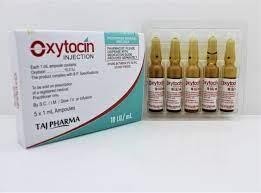
Oxytocin
Betamethasone
The Correct Answer is C
A) Incorrect- Nifedipine is a calcium channel blocker used for conditions like high blood pressure, not for controlling postpartum bleeding.
B) Incorrect- Terbutaline is a bronchodilator and is not typically used for postpartum bleeding.
C) Correct - Oxytocin is a uterotonic medication often used to control excessive bleeding after childbirth. It helps the uterus contract and reduces the risk of postpartum hemorrhage.
D) Incorrect- Betamethasone is a corticosteroid used to enhance fetal lung maturity when given to pregnant clients at risk of preterm birth
Nursing Test Bank
Naxlex Comprehensive Predictor Exams
Related Questions
Correct Answer is A
Explanation
A) Correct - Yogurt is a good source of calcium and is a suitable recommendation for a client with low calcium levels during pregnancy.
B) Incorrect- Avocados contain healthy fats and other nutrients, but they are not a particularly high source of calcium.
C) Incorrect- Peanut butter is a source of protein and healthy fats but does not provide a significant amount of calcium.
D) Incorrect- Long-grain rice is a carbohydrate source but does not contribute much to calcium intake.
Correct Answer is A
Explanation
A) Correct - Lochia serosa, a pinkish-brown vaginal discharge, is typically present 24 hours after vaginal delivery. It is the second stage of lochia that follows the bright red lochia rubra.
B) Incorrect- Frequent urges to urinate might be present but are not specific to the 24- hour postpartum period.
C) Incorrect- The uterine fundus should be descending in the days after childbirth, not located 2 finger widths above the umbilicus.
D) Incorrect- Colostrum is the early milk produced by the breasts, but its presence is not a specific finding in the immediate postpartum period.
Whether you are a student looking to ace your exams or a practicing nurse seeking to enhance your expertise , our nursing education contents will empower you with the confidence and competence to make a difference in the lives of patients and become a respected leader in the healthcare field.
Visit Naxlex, invest in your future and unlock endless possibilities with our unparalleled nursing education contents today