
A nurse is explaining ethics and values to a newly licensed nurse. The nurse should explain that allowing a client to make a decision about a treatment is an example of which of the following ethical principles?
Confidentiality
Nonmaleficence
Accountability
Autonomy
The Correct Answer is D
A. Confidentiality: Confidentiality refers to the duty to respect and protect the client's private information and not disclose it without the client's consent or appropriate legal authorization.
B. Nonmaleficence: Nonmaleficence means "do no harm." It is the ethical principle that requires healthcare professionals to avoid causing harm to their clients and to balance potential benefits with possible risks.
C. Accountability: Accountability is the ethical principle that refers to the responsibility of healthcare professionals to answer for their actions and decisions in providing care to clients.
D. Autonomy: Correct. Autonomy is the ethical principle that respects a person's right to make their own decisions and about their healthcare. Allowing a client to make decisions about their treatment plan is an example of promoting autonomy and respecting their right to
selfdetermination.
Nursing Test Bank
Naxlex Comprehensive Predictor Exams
Related Questions
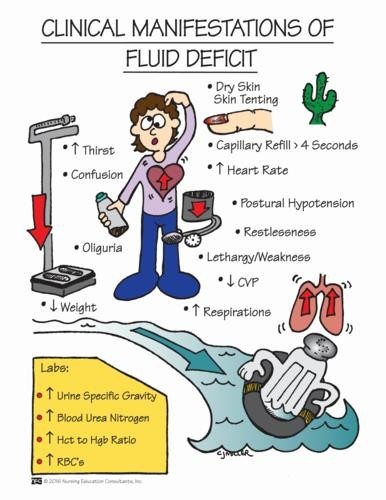
Correct Answer is ["B","D","E"]
Explanation
A: A full bounding pulse is a sign of increased fluid volume or fluid overload, not fluid volume deficit.
B: Cool extremities can be an indication of decreased peripheral perfusion, which may occur in fluid volume deficit.
C: Moist crackles in the lungs are an indication of fluid volume excess or pulmonary congestion, not fluid volume deficit.
D: Orthostatic hypotension, which is a drop in blood pressure when changing from lying to standing, can be a sign of fluid volume deficit due to inadequate blood volume.
E: Flat neck veins are an indication of decreased venous return and can occur in fluid volume deficit.
Correct Answer is A
Explanation
A. "Tell me what the afterlife means to you." Correct. This response demonstrates active listening and encourages the client to share their beliefs and feelings about the afterlife, providing the client with an opportunity for spiritual expression and understanding.
B. "You should discuss the afterlife with your priest." While discussing spiritual matters with a religious leader can be valuable, this response does not directly address the client's request for
the nurse to discuss the afterlife with them.
C. "Keep praying. A miracle could happen." This response may not fully address the client's need to discuss their beliefs about the afterlife. It focuses on hope but does not actively engage in the client's spiritual conversation.
D. "Maybe your condition will lead you closer to God." While offering comfort, this response may not meet the client's request to discuss the afterlife directly.
Whether you are a student looking to ace your exams or a practicing nurse seeking to enhance your expertise , our nursing education contents will empower you with the confidence and competence to make a difference in the lives of patients and become a respected leader in the healthcare field.
Visit Naxlex, invest in your future and unlock endless possibilities with our unparalleled nursing education contents today