
A nurse is looking at a Nurse-Family Partnership impact report as an example of a community impact report. Which of the following stands out as an aspect of this impact report?
Expansion of the program within the Hispanic community is a key initiative.
The impact report is kept private.
Expansion of public-private partnerships is a key initiative.
The impact report focuses solely on local partnerships.
The Correct Answer is C
Choice A Reason:
The expansion of the program within the Hispanic community is indeed an important initiative for many community health programs, including the Nurse-Family Partnership. However, it is not the standout aspect of the impact report in question. The focus on public-private partnerships is more prominently highlighted in the report, reflecting a broader strategy to enhance program reach and effectiveness through diverse collaborations.
Choice B Reason:
The statement that the impact report is kept private is incorrect. Impact reports are typically public documents designed to showcase the achievements and progress of a program to stakeholders, funders, and the community. Keeping such a report private would defeat its purpose of transparency and accountability.
Choice C Reason:
Expansion of public-private partnerships is a key initiative. This is a standout aspect of the Nurse-Family Partnership impact report. Public-private partnerships are crucial for scaling up health programs, securing funding, and integrating services across different sectors. These partnerships enable the program to leverage resources, expertise, and networks from both public and private entities, thereby enhancing its impact and sustainability.
Choice D Reason:
The statement that the impact report focuses solely on local partnerships is not accurate. While local partnerships are important, the report emphasizes a broader strategy that includes both local and wider public-private partnerships. This comprehensive approach ensures that the program can address community needs more effectively and sustainably.
Nursing Test Bank
Naxlex Comprehensive Predictor Exams
Related Questions
Correct Answer is D
Explanation
Choice A Reason:
The cause-specific mortality rate measures the number of deaths attributed to a specific cause within a population during a given time period. While this measure is useful for understanding the impact of a particular disease on a population, it does not directly indicate the virulence of a virus. Virulence refers to the severity or harmfulness of a disease, which is better captured by the case fatality rate.
Choice B Reason:
The age-specific mortality rate calculates the number of deaths within specific age groups in a population. This measure helps identify age-related mortality trends but does not provide information about the virulence of a virus. Age-specific mortality rates are more useful for understanding the impact of diseases across different age demographics rather than assessing the severity of a new virus.
Choice C Reason:
Proportionate mortality refers to the proportion of deaths in a population attributable to a specific cause relative to all deaths. This measure helps in understanding the relative importance of different causes of death but does not directly measure the virulence of a virus. Proportionate mortality is more about the distribution of causes of death rather than the severity of a particular disease.
Choice D Reason:
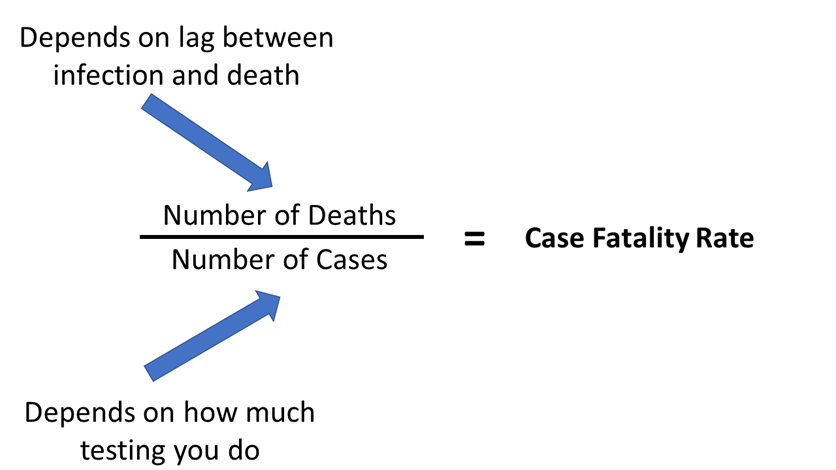
Case fatality rate (CFR) is the most appropriate measure for determining the virulence of a new virus. CFR is calculated by dividing the number of deaths caused by the disease by the number of diagnosed cases of the disease, then multiplying by 100 to get a percentage. This measure directly indicates the lethality of the virus by showing the proportion of diagnosed cases that result in death. It is a critical indicator for assessing the severity and potential impact of a new infectious disease.
Correct Answer is D
Explanation
Choice A Reason:
Asking if the client has an immunization card for documentation is important for record-keeping and ensuring that the client's vaccination history is up-to-date. However, this question does not directly address the safety of administering the vaccine. The primary concern for safety is identifying any potential allergies or adverse reactions.
Choice B Reason:
Inquiring if there are any questions regarding the client's vaccine schedule is helpful for clarifying any doubts and ensuring the client understands their vaccination plan. While this is important for overall vaccine management, it does not specifically address immediate safety concerns related to administering the vaccine.
Choice C Reason:
Asking if the client has a site preference for vaccine administration can enhance the client's comfort and experience. However, this question is more about personal preference and does not impact the safety of the vaccine administration process.
Choice D Reason:
If they have had any past issues or allergies to the vaccine. This is the most critical question for ensuring safety. Identifying any previous adverse reactions or allergies to vaccines is essential to prevent potential allergic reactions or other complications. This information allows the nurse to take necessary precautions or choose an alternative vaccine if needed, ensuring the client's safety during immunization.
Whether you are a student looking to ace your exams or a practicing nurse seeking to enhance your expertise , our nursing education contents will empower you with the confidence and competence to make a difference in the lives of patients and become a respected leader in the healthcare field.
Visit Naxlex, invest in your future and unlock endless possibilities with our unparalleled nursing education contents today