
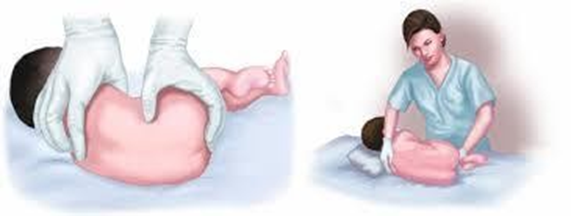
A nurse is preparing a child for a lumbar puncture. In which of the following positions should the child be placed for the procedure?
Prone
Lateral
Supine
Semi-Fowler's
The Correct Answer is B
A. Placing the child prone (face-down) is not appropriate for a lumbar puncture as it would make access to the lumbar spine difficult.
B. Placing the child in a lateral position (lying on their side with knees drawn up towards the chest) allows for proper positioning of the spine for the lumbar puncture procedure.
C. Placing the child supine (lying on their back) is not appropriate for a lumbar puncture as it does not provide the necessary spinal alignment for the procedure.
D. Placing the child in a semi-Fowler's position (with the head of the bed elevated at a 45-degree angle) is not appropriate for a lumbar puncture as it does not facilitate access to the lumbar spine.
Nursing Test Bank
Naxlex Comprehensive Predictor Exams
Related Questions
Correct Answer is ["B","D","E"]
Explanation
A. Meperidine is a narcotic analgesic used for pain relief and is not typically indicated for the management of cystic fibrosis.
B. Dornase alfa is a medication commonly used in the management of cystic fibrosis to help improve respiratory function by reducing the viscosity of mucus in the airways.
C. While acetaminophen may be used for managing fever or pain in children with cystic fibrosis, it is not specifically indicated as a standard medication for cystic fibrosis management.
D. Children with cystic fibrosis often have deficiencies in fat-soluble vitamins (A, D, E, and K) due to malabsorption. Fat-soluble forms of these vitamins are typically prescribed to address these deficiencies.
E. Pancreatic enzyme replacement therapy, such as pancreatic lipase, is necessary for children with cystic fibrosis who have pancreatic insufficiency. This medication helps improve digestion and absorption of nutrients by replacing the deficient pancreatic enzymes.
Correct Answer is D
Explanation
A. Providing a warm blanket can help alleviate discomfort associated with fever and chills, which are common symptoms of varicella.
B. Koplik spots are seen in measles, not varicella.
C. Aspirin administration is contraindicated in varicella due to the risk of Reye's syndrome. Acetaminophen or ibuprofen may be used for fever.
D. Varicella is spread through respiratory droplets, so standard precautions are typically sufficient. Airborne precautions are necessary to prevent transmission.

Whether you are a student looking to ace your exams or a practicing nurse seeking to enhance your expertise , our nursing education contents will empower you with the confidence and competence to make a difference in the lives of patients and become a respected leader in the healthcare field.
Visit Naxlex, invest in your future and unlock endless possibilities with our unparalleled nursing education contents today