
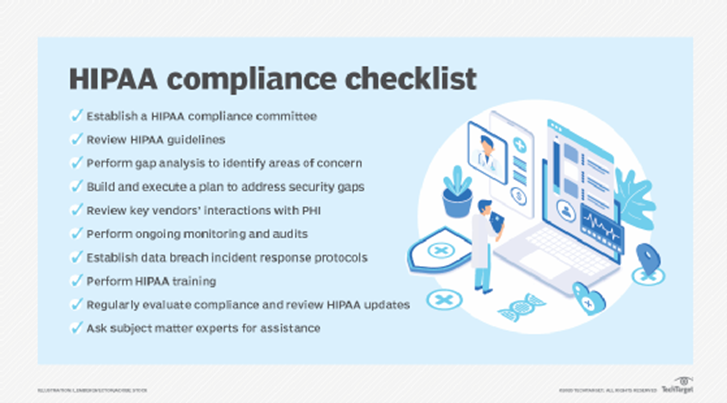
A nurse is reviewing client confidentiality with a newly licensed nurse. The nurse should identify which of the following examples as a violation of HIPAA?
Faxing medical information to the client's provider's office
Teaching the client discharge instructions with his partner present
Discussing the client's transfer to a long-term care facility with a nurse from another unit
Giving a telephone report to a surgical nurse when sending the client to the surgical suite
The Correct Answer is C
The correct answer is that discussing the client's transfer to a long-term care facility with a nurse from another unit is a violation of HIPA
A. HIPAA regulations require that healthcare providers protect the privacy of their clients' personal health information (PHI) and only share it with authorized individuals on a need- to-know basis.
Options a, b and d are not violations of HIPAA. Faxing medical information to the client's provider's office, teaching the client discharge instructions with his partner present and giving a telephone report to a surgical nurse when sending the client to the surgical suite are all acceptable practices under HIPAA regulations.
Nursing Test Bank
Naxlex Comprehensive Predictor Exams
Related Questions
Correct Answer is A
Explanation
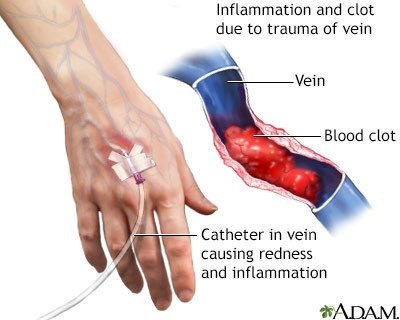
The development of erythema (redness) along the path of the vein indicates phlebitis at the IV site. Phlebitis refers to inflammation of the vein, often caused by irritation or infection. When phlebitis occurs, the vein becomes inflamed and can appear red, warm, and tender to touch. Erythema is a characteristic sign of phlebitis and suggests that the client's IV site has become irritated or infected.
Let's now discuss why the other
Options are not the correct answers:
- Coolness of the client's left forearm: Coolness of the forearm is not typically associated with phlebitis. Instead, it may suggest compromised blood flow to the area, such as arterial insufficiency, rather than inflammation of the vein.
- Pallor of the client's left forearm: Pallor, or paleness, of the forearm is not a typical finding in phlebitis. It usually indicates reduced blood flow or decreased oxygenation to the area, which can be caused by factors other than inflammation of the vein.
- Pitting edema at the insertion site: Pitting edema refers to the indentation that remains when pressure is applied to an area of swelling and then release. While edema can occur at the insertion site of an IV, it is not a specific indicator of phlebitis. Edema can result from multiple causes, such as fluid overload or localized inflammation, and its presence does not necessarily confirm the presence of phlebitis.
In summary, the presence of erythema along the path of the vein is the finding that indicates the development of phlebitis at the IV site. This redness suggests inflammation of the vein, which can be caused by various factors including irritation or infection. The other
Options, such as coolness of the forearm, pallor of the forearm, or pitting edema at the insertion site, are not specific indicators of phlebitis and may be associated with different underlying conditions or factors.
Correct Answer is D
Explanation
When caring for a client who has a chest tube following thoracic surgery, the nurse can delegate the task of assisting the client to select food choices from the menu to an assistive personnel. This task is within the scope of practice of an assistive personnel and does not require the specialized knowledge or judgment of a nurse.
Option a is incorrect because monitoring the characteristics of the client's chest tube drainage requires specialized knowledge and should not be delegated.
Option b is incorrect because evaluating the client's response to pain medication requires specialized knowledge and should not be delegated.
Option c is incorrect because teaching deep breathing and coughing to the client requires specialized knowledge and should not be delegated.
Whether you are a student looking to ace your exams or a practicing nurse seeking to enhance your expertise , our nursing education contents will empower you with the confidence and competence to make a difference in the lives of patients and become a respected leader in the healthcare field.
Visit Naxlex, invest in your future and unlock endless possibilities with our unparalleled nursing education contents today