
A nurse is reviewing laboratory findings for four clients. Which of the following clients has manifestations of acute kidney injury?
Hemoglobin 16 g/dL
BUN 15 mg/dL
Serum potassium 4.5 mEq/L
Serum creatinine 6 mg/dL
The Correct Answer is D
Choice A reason: A hemoglobin level of 16 g/dL is within the normal range and does not indicate acute kidney injury.
Choice B reason: A BUN level of 15 mg/dL is also within the normal range and does not suggest acute kidney injury.
Choice C reason: A serum potassium level of 4.5 mEq/L is within the normal range and is not indicative of acute kidney injury.
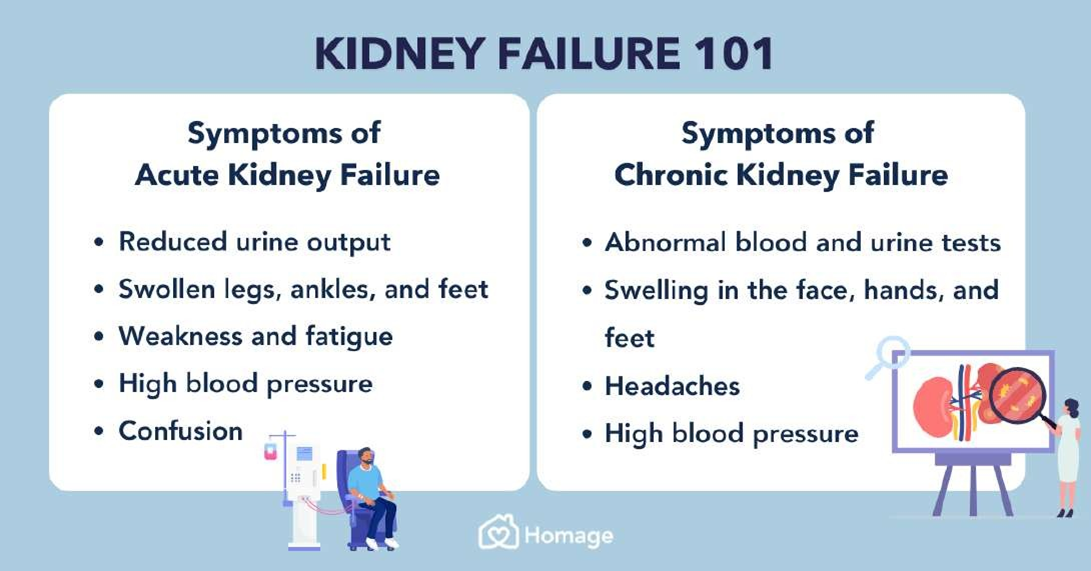
Choice D reason: A serum creatinine level of 6 mg/dL is significantly elevated and indicates impaired kidney function, which is a hallmark of acute kidney injury.
Nursing Test Bank
Naxlex Comprehensive Predictor Exams
Related Questions
Correct Answer is C
Explanation
Choice A reason: Dizziness can be a symptom of DKA due to dehydration; however, it is not as specific as mental status changes.
Choice B reason: Nervousness is not a specific symptom of DKA and can be related to high blood glucose levels rather than DKA itself.
Choice C reason: Mental status changes such as confusion or altered consciousness are significant indicators of DKA and require immediate medical atention.
Choice D reason: Cool, clammy skin is not typically associated with DKA; instead, DKA can present with dry skin and mouth due to dehydration.
Correct Answer is ["50"]
Explanation
Step 1: The total amount of phenytoin required per dose is 250 mg.
Step 2: Each 5 mL of oral solution contains 25 mg of phenytoin.
Step 3: To find out how many mL are needed, we divide the total amount required by the amount in each 5 mL of oral solution. So, (250 mg ÷ 25 mg/5 mL).
Step 4: The result is 50 mL.
So, the nurse should administer 50 mL per dose. This is already a whole number, so no rounding is necessary.
Whether you are a student looking to ace your exams or a practicing nurse seeking to enhance your expertise , our nursing education contents will empower you with the confidence and competence to make a difference in the lives of patients and become a respected leader in the healthcare field.
Visit Naxlex, invest in your future and unlock endless possibilities with our unparalleled nursing education contents today