
A nurse is teaching a parent about recommended protein intake for a toddler. The nurse should identify that which of the following food selections is equivalent to 1 oz of protein?
1 slice of bread
2 tbsp peanut butter
1 scrambled egg
1/2 cup peas
The Correct Answer is B
- Rationale for A: One slice of bread typically does not equate to 1 oz of protein. Bread is primarily a source of carbohydrates and contains only a small amount of protein, making it insufficient to meet the protein equivalent of 1 oz.
- Rationale for B: Two tablespoons of peanut butter have approximately 8 grams of protein, which is close to the protein content of 1 oz of meat. However, it is slightly less than the standard 1 oz protein equivalent, which is about 7 grams of protein, as found in one egg.
- Rationale for C: One scrambled egg is equivalent to 1 oz of protein because it contains approximately 7 grams of protein, which aligns with the protein content of 1 oz of meat. Eggs are a complete protein source, providing all the essential amino acids needed by a toddler.
- Rationale for D: Half a cup of peas contains about 4 grams of protein, which is less than the 7 grams found in 1 oz of meat or one egg. Therefore, 1/2 cup of peas does not meet the equivalent of 1 oz of protein.
Nursing Test Bank
Naxlex Comprehensive Predictor Exams
Related Questions
Correct Answer is C
Explanation
A. Parkinson's disease and monoamine oxidase inhibitors (MAOIs) do not typically require a reduction in intake of high-calorie foods. In fact, maintaining adequate nutrition and calorie intake is important for individuals with Parkinson's disease.
B. Grapefruit is not typically contraindicated with monoamine oxidase inhibitors. However, it's important for the client to discuss any potential interactions between grapefruit and their specific medication with their healthcare provider.
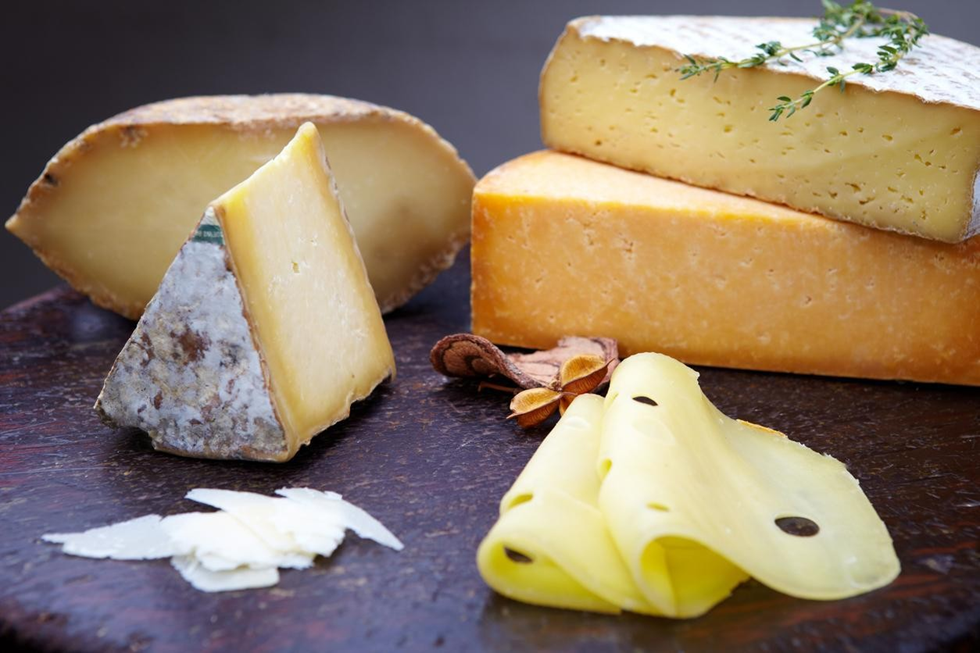
C. Aged cheeses contain tyramine, a substance that can interact with MAOIs and lead to hypertensive crisis. Therefore, individuals taking MAOIs should avoid aged cheeses to prevent this interaction.
D. Maintaining a low-protein diet is not typically recommended for individuals with Parkinson's disease or those taking MAOIs. In fact, adequate protein intake is important for overall health and muscle function.
Correct Answer is B
Explanation
A. Diluting formula with water can decrease the calorie and nutrient content of the formula and is not typically recommended for infants with gastroesophageal reflux.
B. Positioning the newborn at a 20-degree angle after feeding can help reduce gastroesophageal reflux by allowing gravity to assist in keeping stomach contents down.
C. Providing a small feeding just before bedtime may increase the risk of gastroesophageal reflux and should be avoided.
D. Placing the newborn in a side-lying position if vomiting is not recommended due to the risk of aspiration. Infants should be placed on their back to sleep to reduce the risk of sudden infant
death syndrome (SIDS).
Whether you are a student looking to ace your exams or a practicing nurse seeking to enhance your expertise , our nursing education contents will empower you with the confidence and competence to make a difference in the lives of patients and become a respected leader in the healthcare field.
Visit Naxlex, invest in your future and unlock endless possibilities with our unparalleled nursing education contents today