
A patient hospitalized with a myocardial infarction suddenly begins having severe respiratory distress with frothy red sputum. What is the first action for the nurse to take?
Notify the patient's family.
Provide oxygen as prescribed.
Notify the health care provider.
Elevate the head of the bed.
The Correct Answer is B
Choice A Reason:Notifying the patient's family is not the immediate priority when the patient is experiencing severe respiratory distress. The nurse's primary focus should be on addressing the patient's acute symptoms.
Choice B Reason:Providing oxygen is crucial in managing respiratory distress. In a patient with myocardial infarction (heart attack), adequate oxygenation is essential to prevent further complications. The nurse should promptly administer oxygen as prescribed to improve oxygen supply and alleviate distress.
Choice C Reason:While notifying the health care provider is essential, it is not the first action in this critical situation. The nurse should prioritize interventions that directly address the patient's distress.
Choice D Reason:Elevating the head of the bed (semi-Fowler's position) is beneficial for patients with respiratory distress, but it is not the initial action. Providing oxygen takes precedence over positioning.
Nursing Test Bank
Naxlex Comprehensive Predictor Exams
Related Questions
Correct Answer is C
Explanation
Choice A reason: While disintegration indicates a pill is no longer stable, it is not specific to nitroglycerin tablets.
Choice B reason: The absence of a tingling sensation may not necessarily indicate that nitroglycerin tablets need to be replaced, as this sensation can vary.
Choice C reason: Nitroglycerin tablets should be replaced if they smell like vinegar, as this indicates that the medication may have degraded and may not be effective.
Choice D reason: Discoloration can occur due to various reasons and does not specifically indicate that nitroglycerin tablets have lost potency.
Correct Answer is C
Explanation
Choice A reason: Cheddar cheese is high in tyramine, which can interact with MAOIs and cause hypertensive crises, so it should be avoided.
Choice B reason: Corned beef and sauerkraut are also high in tyramine and should be avoided by clients taking MAOIs.
Choice C reason: Cottage cheese and oranges are generally considered safe for clients taking MAOIs as they are low in tyramine.
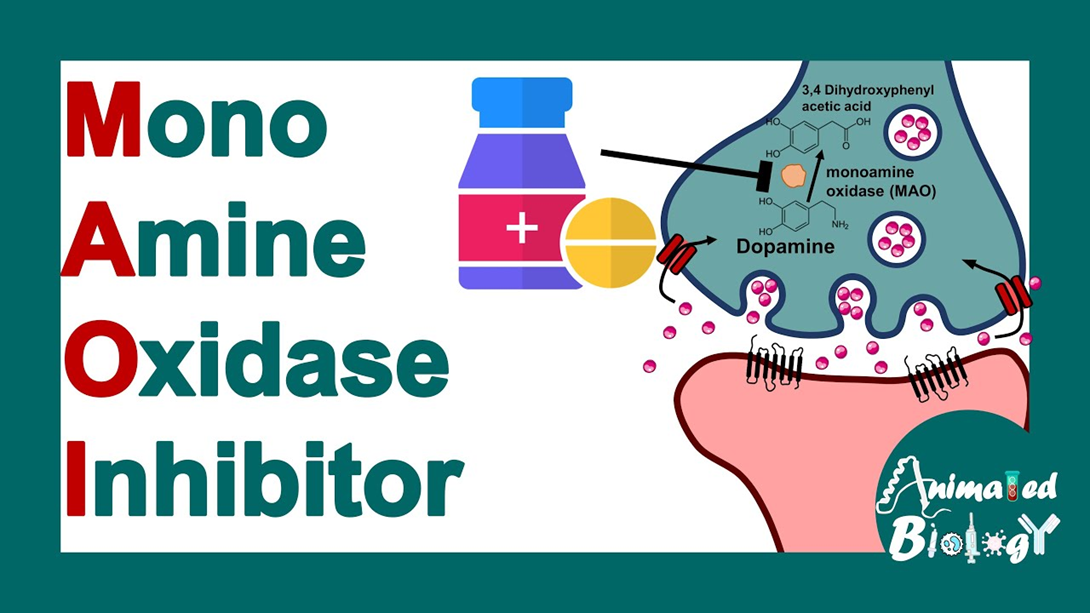
Choice D reason: Beer and red wine are high in tyramine and should be avoided by clients taking MAOIs due to the risk of severe hypertension.
Whether you are a student looking to ace your exams or a practicing nurse seeking to enhance your expertise , our nursing education contents will empower you with the confidence and competence to make a difference in the lives of patients and become a respected leader in the healthcare field.
Visit Naxlex, invest in your future and unlock endless possibilities with our unparalleled nursing education contents today