
A public health nurse is developing protocols to use in emergency shelters following a disaster. Which of the following interventions should the nurse include as a secondary prevention strategy for clients who survive a disaster?
Providing age-appropriate activities for shelter residents
Interviewing shelter residents to determine the effectiveness of coping behaviors
Compiling resources available to transition individuals from shelters to a home
Publishing a listing of shelter locations in local media sources
The Correct Answer is B
The correct answer is choice B. Interviewing shelter residents to determine the effectiveness of coping behaviors.
Choice A rationale:
Providing age-appropriate activities for shelter residents is a form of primary prevention, aimed at promoting well-being and preventing stress-related issues. It does not directly address the immediate needs of assessing and managing the aftermath of a disaster.
Choice B rationale:
Interviewing shelter residents to determine the effectiveness of coping behaviors is a secondary prevention strategy. It focuses on identifying and addressing existing issues that may have arisen due to the disaster, such as stress, anxiety, or ineffective coping mechanisms. This helps in providing timely interventions to mitigate further psychological harm.
Choice C rationale:
Compiling resources available to transition individuals from shelters to a home is a tertiary prevention strategy. It aims at long-term recovery and rehabilitation, rather than addressing immediate or ongoing issues resulting from the disaster.
Choice D rationale:
Publishing a listing of shelter locations in local media sources is a primary prevention strategy. It helps in ensuring that individuals know where to go for safety during a disaster, but it does not address the needs of those who have already survived the disaster and are currently in shelters.
Nursing Test Bank
Naxlex Comprehensive Predictor Exams
Related Questions
Correct Answer is B
Explanation
The first priority in discharge planning for this client should be to arrange for a home health nurse to visit the client following discharge to monitor the client's health and provide support. The client's condition is complex and requires ongoing monitoring and support to prevent relapse and ensure safety.
Providing the client with information on self-help groups and determining home safety measures are also important components of the discharge plan, but they should come after ensuring that the client has the necessary support in place. Contacting a social worker to assist with managing finances is not a priority at this time.
Correct Answer is C
Explanation
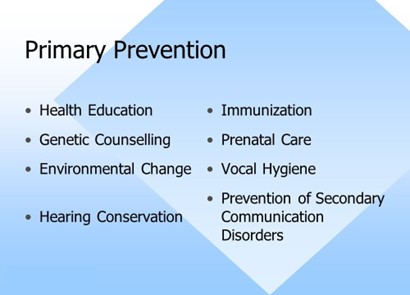
Primary prevention activities aim to prevent the onset of disease or injury. Monitoring the immunization status of students is a primary prevention activity because it helps to prevent the spread of infectious diseases that can cause serious illness and even death. By monitoring the immunization status of students, the school nurse can ensure that students are up-to-date on their vaccinations and can provide education and resources to parents and guardians who may have questions or concerns about immunizations.
Providing referrals for students who have asthma (A) and providing first aid for injured students (B) are both important activities that the school nurse should be prepared to do, but they are not primary prevention activities. These activities are considered secondary prevention because they aim to identify and treat health problems early before they become more severe.
Scheduling hearing screenings for each grade level (D) is a tertiary prevention activity because it aims to prevent complications and disability resulting from existing hearing problems.
Whether you are a student looking to ace your exams or a practicing nurse seeking to enhance your expertise , our nursing education contents will empower you with the confidence and competence to make a difference in the lives of patients and become a respected leader in the healthcare field.
Visit Naxlex, invest in your future and unlock endless possibilities with our unparalleled nursing education contents today