
The nurse should frequently assess a client with a depressive disorder for lethality risk related to suicidal ideation. Which questions should the nurse include? (Select all that apply.)
"Where do you keep your gun?"
"Are you thinking about hurting yourself or someone else?"
"Have you thought about how you would hurt yourself?"
"Can you tell me your feelings about dying?"
"Have you told your psychiatrist you feel like dying?"
Correct Answer : A,B,C,D
Choice A reason: While it’s important to assess access to lethal means, this question is too specific and assumes the client owns a gun. A more appropriate question might be, “Do you have access to any means to harm yourself?”
Choice B reason: Inquiring about thoughts of self-harm or harming others is a direct question that assesses suicidal ideation and intent, which is essential for determining immediate risk.
Choice C reason: Understanding if the client has specific plans for self-harm can help gauge the immediacy and seriousness of the suicide risk.
Choice D reason: Discussing feelings about dying can provide insight into the client's emotional state and potential risk for suicide.
Choice E reason: This question is important but it should not replace direct questions about the client’s current thoughts and feelings. It’s possible for a client to deny feelings of suicidality to their psychiatrist while still experiencing them.
Nursing Test Bank
Naxlex Comprehensive Predictor Exams
Related Questions
Correct Answer is ["A","C","D","E"]
Explanation
Choice A reason: Personality traits are enduring and can be resistant to change, making treatment challenging.
Choice B reason: This statement is not accurate; clients with personality disorders may not always be receptive to treatment.
Choice C reason: Slow progress and clients discontinuing treatment are common barriers in treating personality disorders.
Choice D reason: Clients may not recognize the need for change, which can hinder the therapeutic process.
Choice E reason: Clients may identify with their personality traits, even if they are maladaptive, and may resist changing them.
Correct Answer is C
Explanation
Choice A reason: Acrophobia is the fear of heights, which is not indicated by the client's fear of being outdoors alone.
Choice B reason: Xenophobia is the fear of strangers or foreigners, which does not align with the client's described fear.
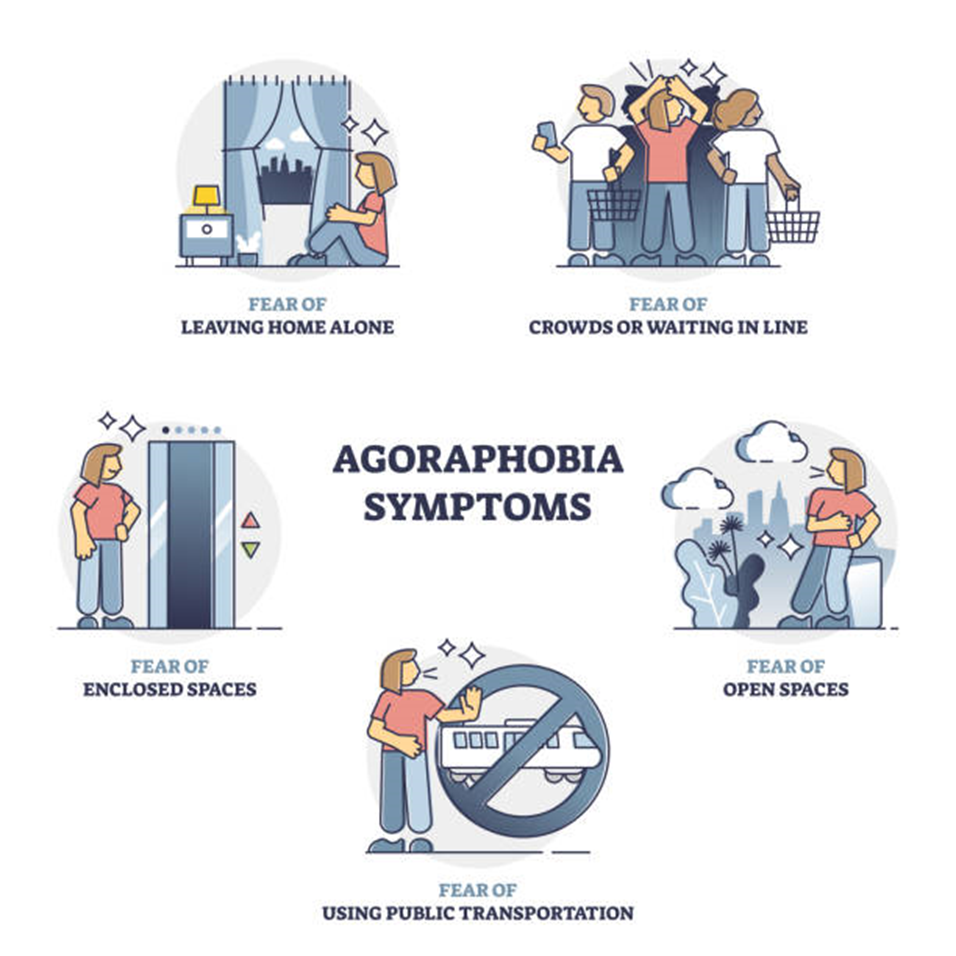
Choice C reason: Agoraphobia is the fear of open spaces or being in crowded, public places like markets. It also includes the fear of leaving a safe place, such as home, which aligns with the client's symptoms.
Choice D reason: Mysophobia is the fear of germs, which is not related to the fear of being outdoors alone.
Whether you are a student looking to ace your exams or a practicing nurse seeking to enhance your expertise , our nursing education contents will empower you with the confidence and competence to make a difference in the lives of patients and become a respected leader in the healthcare field.
Visit Naxlex, invest in your future and unlock endless possibilities with our unparalleled nursing education contents today