
What is Wernicke-Korsakoff syndrome?
A neurological disorder caused by a lack of thiamine (vitamin B1).
A psychological condition related to stress.
A genetic disorder affecting memory.
An infectious disease affecting the brain.
The Correct Answer is A
Choice A reason: Wernicke-Korsakoff syndrome is a brain and memory disorder that requires immediate treatment. It occurs due to a severe deficiency of thiamine (vitamin B1), which is essential for the brain to convert food into energy.
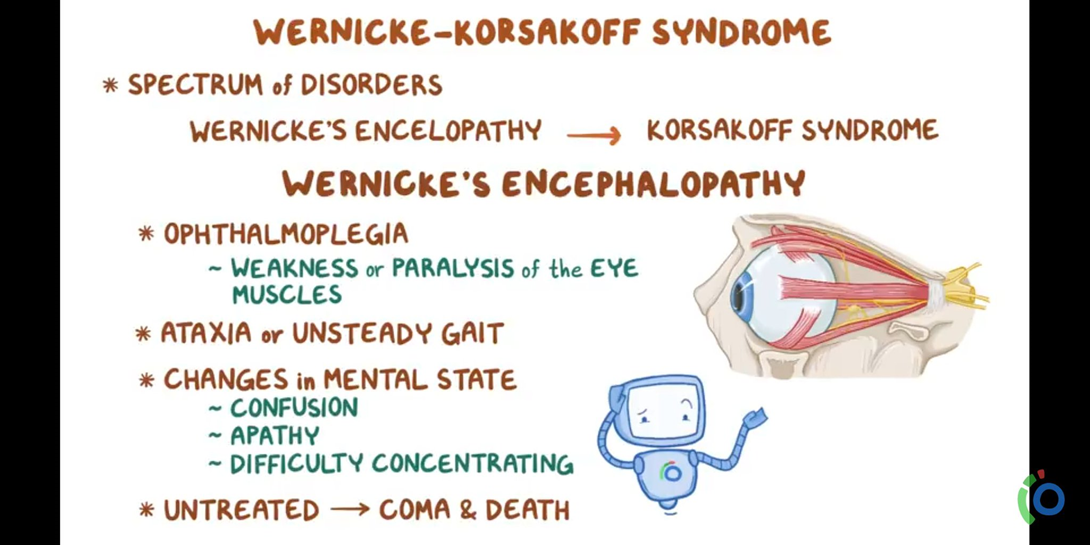
Choice B reason: There is no evidence suggesting that Wernicke-Korsakoff syndrome is a psychological condition related to stress.
Choice C reason: Wernicke-Korsakoff syndrome is not a genetic disorder; it is caused by a deficiency of vitamin B1, often associated with alcohol abuse or malnutrition.
Choice D reason: It is not an infectious disease; Wernicke-Korsakoff syndrome results from nutritional deficiencies, specifically a lack of thiamine (vitamin B1).
Nursing Test Bank
Naxlex Comprehensive Predictor Exams
Related Questions
Correct Answer is A
Explanation
Choice A reason: Dialectical behavior therapy (DBT) is a well-established treatment for borderline personality disorder, focusing on skills like mindfulness, emotion regulation, distress tolerance, and interpersonal effectiveness.
Choice B reason: While behavioral contracts can be part of treatment, they are not as central or evidence-based as DBT for borderline personality disorder.
Choice C reason: Bibliotherapy can be a supportive tool but is not a primary intervention for the complex needs of someone with borderline personality disorder.
Choice D reason: A safety plan is important, especially if there are concerns about self-harm or suicidal ideation, but it is not a comprehensive treatment approach like DBT.
Correct Answer is ["B","D","E"]
Explanation
Choice A reason: Feeling mildly anxious can be a normal reaction after a traumatic event and does not necessarily indicate PTSD.
Choice B reason: Emotional numbing and detachment from others are common symptoms of PTSD, reflecting an avoidance of reminders of the trauma.
Choice C reason: The timeframe of symptoms occurring specifically 2 weeks after the trauma is more indicative of acute stress disorder rather than PTSD.
Choice D reason: Reexperiencing the trauma through dreams or intrusive thoughts is a hallmark symptom of PTSD, often leading to significant distress.
Choice E reason: Hyperarousal, including being on guard and irritable, is a symptom of PTSD that involves an increased state of anxiety and heightened emotional response.
Whether you are a student looking to ace your exams or a practicing nurse seeking to enhance your expertise , our nursing education contents will empower you with the confidence and competence to make a difference in the lives of patients and become a respected leader in the healthcare field.
Visit Naxlex, invest in your future and unlock endless possibilities with our unparalleled nursing education contents today