
When conducting diet teaching for a client who was diagnosed with iron-deficiency anemia, which food(s) should the nurse encourage the client to eat? Select all that apply.
Alcohol (ethanol), orange juice, seeds.
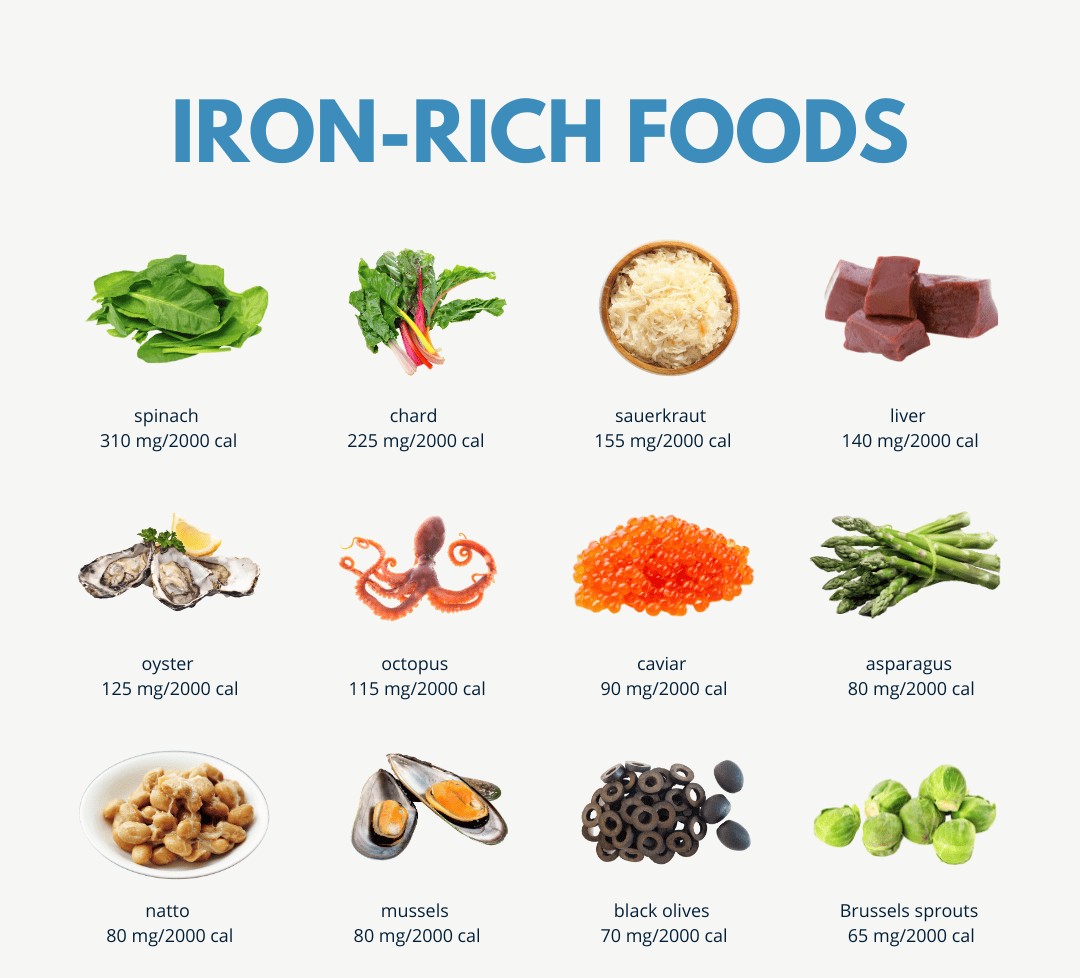
Spinach, kale, collard greens.
Milk, ice cream, buttermilk.
Beans, brown rice, apricots.
Salted nuts, corn, oranges.
Correct Answer : B,D
A. Alcohol (ethanol), orange juice, seeds. Alcohol should be avoided, but orange juice is high in vitamin C, which can enhance iron absorption. However, seeds are not a significant source of
iron.
B. Spinach, kale, collard greens. These dark leafy greens are rich in non-heme iron, which is beneficial for someone with iron-deficiency anemia.
C. Milk, ice cream, buttermilk. These dairy products contain little to no iron and can actually inhibit iron absorption due to their calcium content.
D. Beans, brown rice, apricots. Beans are a good source of iron, brown rice provides some iron, and apricots are also a good source of iron, making these foods beneficial for iron-deficiency anemia.
E. Salted nuts, corn, oranges. Salted nuts and corn are not particularly high in iron, although oranges are good for vitamin C, which helps with iron absorption. However, the focus should be on iron-rich foods directly.
Nursing Test Bank
Naxlex Comprehensive Predictor Exams
Related Questions
Correct Answer is C
Explanation
A. Cashews. While cashews are nutritious and contain various vitamins and minerals, they are not particularly high in folate, which is crucial for preventing neural tube defects.
B. Yogurt. Yogurt is a good source of calcium and protein but is not a significant source of folate.
C. Asparagus. Asparagus is rich in folate, a B-vitamin that is essential for the prevention of neural tube defects during pregnancy. It is one of the best food sources of folate.
D. Chicken. Chicken provides protein and other nutrients but is not a significant source of folate, making it less effective in preventing neural tube defects compared to folate-rich vegetables like asparagus.
Correct Answer is B
Explanation
A. Suggesting that the client also avoid fruit skins may not directly address the concern about nuts and seeds, potentially causing confusion.
B. Confirming that these foods should be avoided validates the client's understanding and reinforces the importance of dietary modifications to prevent inflammation associated with hemorrhoids.
C. Encouraging soft foods such as yogurt is beneficial for easing bowel movements, but it does not specifically address the need to avoid nuts and seeds.
D. Explaining the benefits of a high fiber diet is important for overall bowel health, but it does not directly address the client's concern about avoiding specific foods that may aggravate
hemorrhoids.
Whether you are a student looking to ace your exams or a practicing nurse seeking to enhance your expertise , our nursing education contents will empower you with the confidence and competence to make a difference in the lives of patients and become a respected leader in the healthcare field.
Visit Naxlex, invest in your future and unlock endless possibilities with our unparalleled nursing education contents today