
Which cardiac chamber has the thinnest wall and why?
The right and left atria because they are low pressure chambers that serve as storage units and conduits for blood.
The right and left atria because they are not involved directly in the preloaded, contractility or afterload of the heart
The left ventricle because the mean pressure of blood coming into the ventricle is from the lung, which has a low pressure
The right ventricle because it pumps blood into the pulmonary capillaries, which have a lower pressure compared with the systemic circulation
The Correct Answer is A
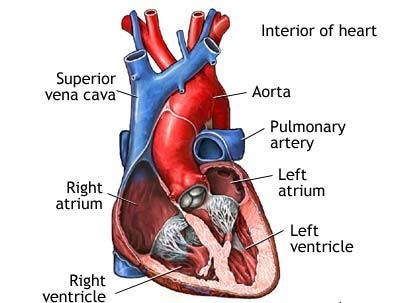
The walls of the atria are thin because they do not generate as much pressure as the ventricles, as their main function is to receive blood from the veins and pump it into the ventricles. The ventricles have thicker walls because they are responsible for generating the force necessary to pump blood out of the heart and into the systemic or pulmonary circulation.
Nursing Test Bank
Naxlex Comprehensive Predictor Exams
Related Questions
Correct Answer is B
Explanation
Croup is a common respiratory illness in young children, characterized by inflammation of the upper airways (including the larynx and trachea) that leads to a characteristic barking cough and difficulty breathing. Croup is most commonly caused by viral infections, particularly parainfluenza virus, although other viruses such as respiratory syncytial virus (RSV) and influenza virus can also be responsible. 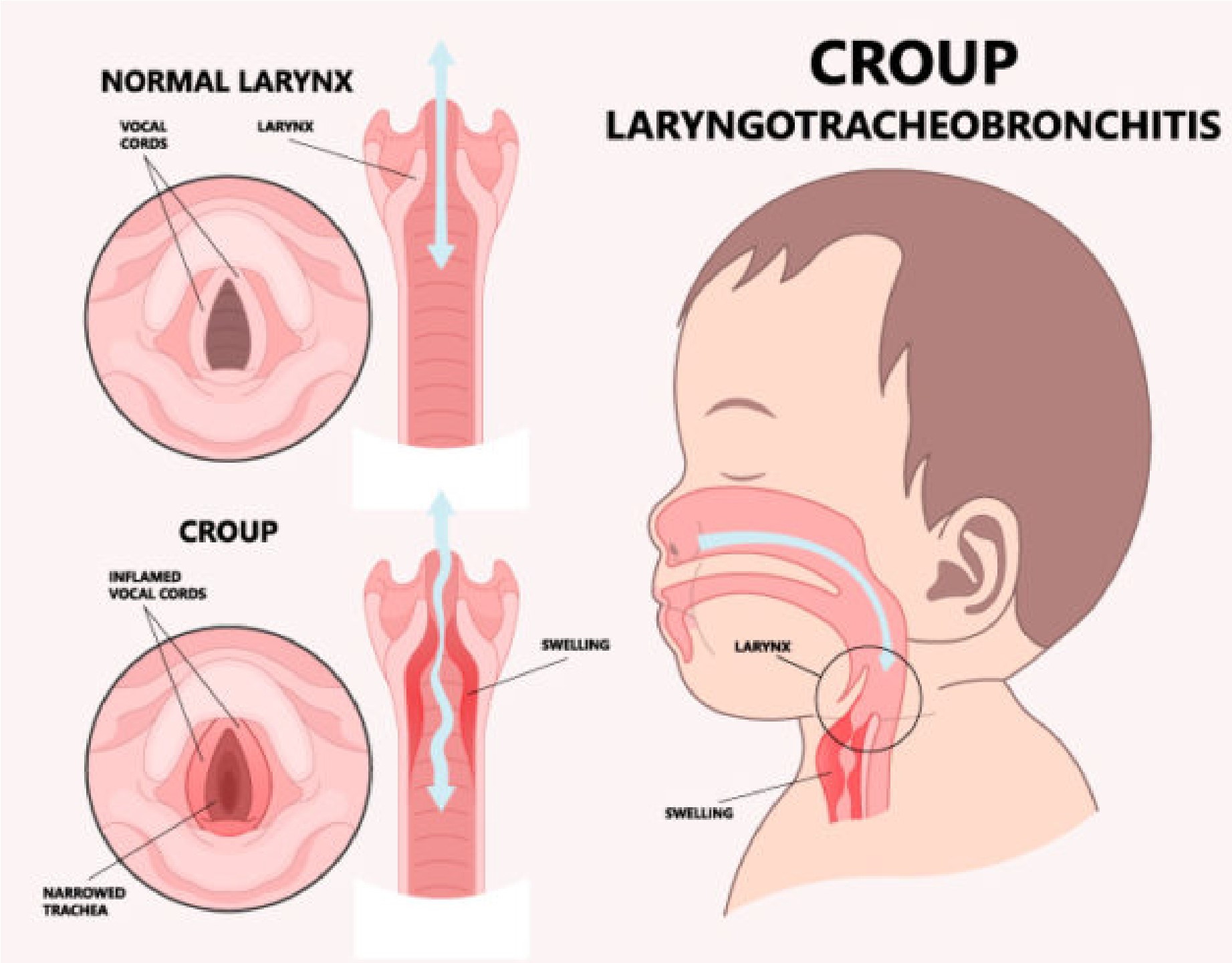
Bacterial croup is rare and usually occurs in children who have an underlying condition that makes them more susceptible to bacterial infections, such as immunodeficiency or a history of recurrent respiratory infections. Fungal croup is also rare and usually occurs in children with a weakened immune system or a history of exposure to contaminated soil or other environmental sources of fungi.
Autoimmune croup is not a recognized medical condition. While some autoimmune disorders can affect the respiratory system (such as systemic lupus erythematosus), they do not typically cause croup-like symptoms.
Correct Answer is B
Explanation
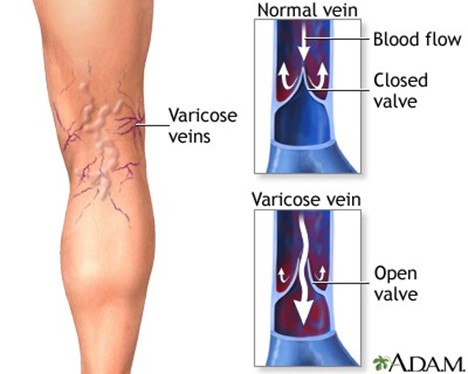
Varicose veins occur when the valves within the veins, which normally prevent the backflow of blood, become damaged or weakened, allowing blood to pool and the veins to become enlarged and twisted. This can occur due to a variety of factors, including age, pregnancy, obesity, genetics, and prolonged periods of standing or sitting. An increase in hydrostatic pressure can contribute to the development of varicose veins, but it is not the primary cause.
Whether you are a student looking to ace your exams or a practicing nurse seeking to enhance your expertise , our nursing education contents will empower you with the confidence and competence to make a difference in the lives of patients and become a respected leader in the healthcare field.
Visit Naxlex, invest in your future and unlock endless possibilities with our unparalleled nursing education contents today