
Which two symptoms are associated with aplastic anemia?
Choose 2 answers.
Abdominal pain
Back pain
Petechiae
Hemoptysis
Bleeding gums
Hair loss
Correct Answer : A,E
A. Abdominal pain: Not a typical symptom of aplastic anemia; more commonly associated with gastrointestinal conditions.
B. Back pain: Also not commonly associated with aplastic anemia.
C. Petechiae: Small red or purple spots caused by bleeding under the skin due to low platelet counts, common in aplastic anemia.
D. Hemoptysis: Coughing up blood is more related to respiratory conditions like tuberculosis or lung cancer.
E. Bleeding gums: A common symptom due to thrombocytopenia (low platelet count) seen in aplastic anemia.
F. Hair loss: This is not a typical sign of aplastic anemia, though it could be seen in other conditions like chemotherapy or alopecia.
Nursing Test Bank
Naxlex Comprehensive Predictor Exams
Related Questions
Correct Answer is D
Explanation
A. Rickets: Typically related to Vitamin D deficiency, leading to softening of bones in children, not joint pain.
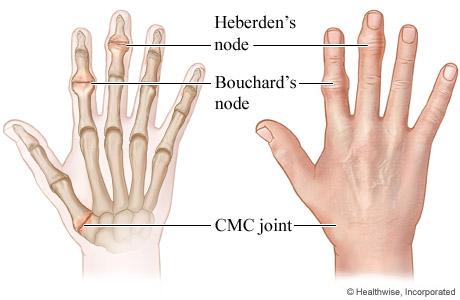
B. Osteomalacia: Refers to softening of bones in adults due to Vitamin D deficiency, but it does not present with Heberden's or Bouchard's nodes.
C. Rheumatoid arthritis: This is an autoimmune condition that causes symmetrical joint pain, but Heberden’s and Bouchard’s nodes are not characteristic of it.
D. Osteoarthritis: The description of morning stiffness, swelling, limited range of motion, and symmetrical joint pain in the hips, along with Heberden’s and Bouchard’s nodes, is characteristic of osteoarthritis. Osteoarthritis often worsens with physical exertion and in cold weather.
Correct Answer is ["A","E"]
Explanation
A. Constipation: This is not a primary symptom of Huntington's disease.
B. Numbness: Huntington's primarily affects motor function, not sensation.
C. Loss of voluntary movement: Huntington's disease causes progressive degeneration of nerve cells in the brain, leading to the loss of voluntary motor control.
D. Visual dysfunction: Visual issues are not commonly associated with Huntington's.
E. Dyskinesia: Dyskinesia, or involuntary, jerky movements, is a hallmark symptom of Huntington's disease. These uncontrollable movements increase as the disease progresses.
F. Urinary dysfunction: While it can occur in later stages, it is not a hallmark symptom of Huntington's disease.
Whether you are a student looking to ace your exams or a practicing nurse seeking to enhance your expertise , our nursing education contents will empower you with the confidence and competence to make a difference in the lives of patients and become a respected leader in the healthcare field.
Visit Naxlex, invest in your future and unlock endless possibilities with our unparalleled nursing education contents today