
Your patient, who is manic, says, "Everything I do is great." How should you respond?
"Yes, I am happy for you."
"No one can be great at everything."
"Keep it up."
"Tell me about a time in your life when things didn't go as planned."
The Correct Answer is D
Choice A reason: Affirming the patient's statement without addressing the potential for grandiosity may not be therapeutic.
Choice B reason: Telling a manic patient that no one can be great at everything may be confrontational and could escalate the situation.
Choice C reason: Encouraging the patient to "keep it up" may reinforce potentially harmful manic behavior.
Choice D reason: Asking the patient to recall a time when things didn't go as planned can help ground their thoughts and is a therapeutic communication technique used to address potential grandiosity in mania.
Nursing Test Bank
Naxlex Comprehensive Predictor Exams
Related Questions
Correct Answer is D
Explanation
Choice A reason: While it may be beneficial for the client's mood, taking the client out of the facility does not directly address the sudden change in behavior.
Choice B reason: Rewarding the client for a change in behavior does not address the potential risks associated with a sudden change in mental status.
Choice C reason: Asking the client why their behavior has changed could be part of an assessment, but it is not an immediate safety intervention.
Choice D reason: Monitoring the client's whereabouts at all times is important as a sudden lift in depressive symptoms can sometimes precede a suicide attempt, and close observation is necessary.
Correct Answer is C
Explanation
Choice A reason: While attaching leads for a 12-lead ECG is important, it is not the most immediate action required for a client showing signs of distress and potential hypoxia.
Choice B reason: Obtaining a blood sample is necessary for diagnosing the cause of chest pain but is not the first priority in an emergency situation.
Choice C reason: Initiating oxygen therapy is the first and most critical step in managing a client with severe chest pain, shortness of breath, and cyanosis to ensure adequate oxygenation.
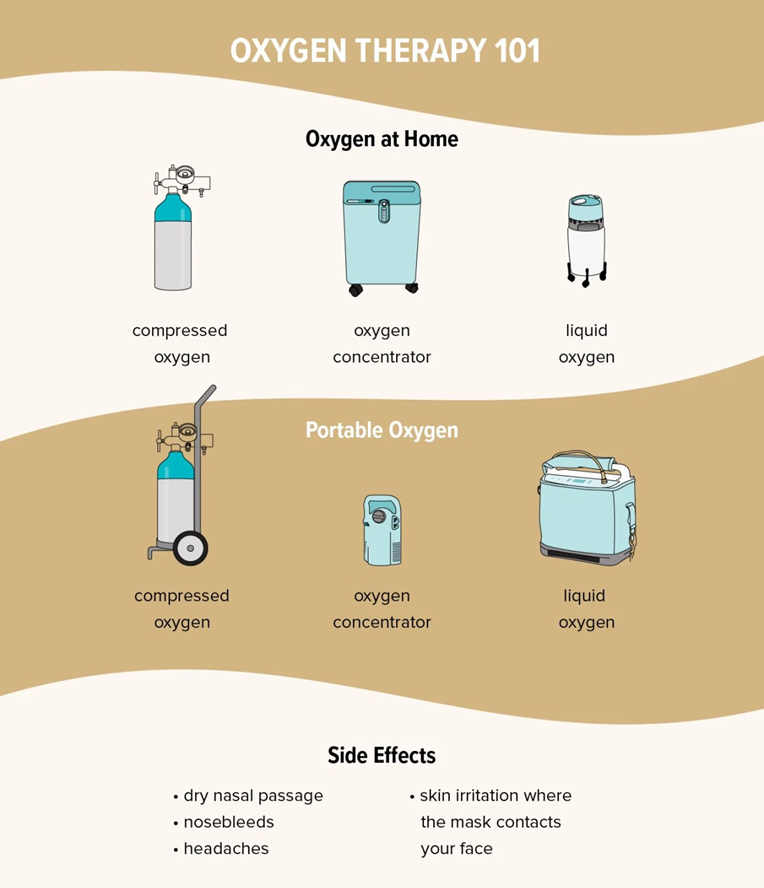
Choice D reason: Inserting an IV catheter is important for administering medications and fluids but comes after ensuring the client is receiving sufficient oxygen.
Whether you are a student looking to ace your exams or a practicing nurse seeking to enhance your expertise , our nursing education contents will empower you with the confidence and competence to make a difference in the lives of patients and become a respected leader in the healthcare field.
Visit Naxlex, invest in your future and unlock endless possibilities with our unparalleled nursing education contents today