
A nurse is caring for a client who has dementia.
Which of the following findings should the nurse expect?
Memory loss that disrupts ADLs
Catatonia
Illusions
Pressured speech
The Correct Answer is A
a. Memory loss that disrupts ADLs
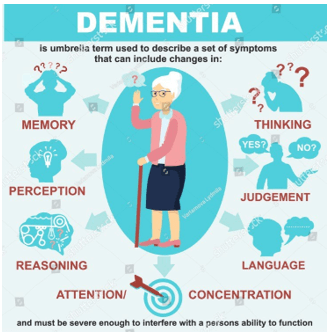
Explanation: Dementia is a condition characterized by a decline in cognitive function that affects a person's ability to perform activities of daily living (ADLs). Memory loss is a common symptom of dementia, particularly in the early stages. The memory loss can disrupt a person's ability to carry out tasks they were previously able to do independently, such as dressing, bathing, and eating. Therefore, option a is the correct answer.
Option b, catatonia, is a condition characterized by a lack of movement or activity, which is not typically associated with dementia.
Option c, illusions, involve a misinterpretation of sensory information and may occur in some forms of dementia but are not a defining feature.
Option d, pressured speech, is a symptom commonly associated with mania or bipolar disorder, but is not typically seen in dementia.
Nursing Test Bank
Naxlex Comprehensive Predictor Exams
Related Questions
Correct Answer is A
Explanation
Prealbumin is a protein that is produced by the liver and is an indicator of the body's nutritional status. A low prealbumin level can indicate malnutrition, which is common in clients with COPD. Therefore, a dietary referral can help the client meet their nutritional needs and prevent further complications.
Correct Answer is A
Explanation
Giving change-of-shift report to a nurse outside the client's room helps to maintain client confidentiality. By discussing sensitive client information in a private and secure area, such as a designated report room or a location where other clients or visitors cannot overhear, the nurse ensures that the client's personal and medical information is not disclosed to unauthorized individuals.
Writing a client's diagnosis on the message board in the client's room can potentially expose sensitive medical information to anyone who enters the room, including visitors or other healthcare providers who are not directly involved in the client's care.
Discussing a client's prognosis with an assistive personnel who is caring for the client may violate the principle of need-to-know confidentiality. While it is important for healthcare team members to collaborate and communicate about client care, sensitive information should only be shared on a need-to-know basis.
Discarding worksheets containing client information in a wastebasket without proper shredding or disposal methods can potentially expose client information to unauthorized individuals who may come across the discarded documents. Proper procedures for document disposal, such as shredding or using secure disposal containers, should be followed to protect client confidentiality.
Whether you are a student looking to ace your exams or a practicing nurse seeking to enhance your expertise , our nursing education contents will empower you with the confidence and competence to make a difference in the lives of patients and become a respected leader in the healthcare field.
Visit Naxlex, invest in your future and unlock endless possibilities with our unparalleled nursing education contents today