
A nurse is caring for a patient who has respiratory acidosis. Which of the following pH levels should the nurse expect?
pH 7.39
pH 7.31
pH 7.48
pH 7.50
The Correct Answer is B
Choice A reason: A pH of 7.39 is near the lower end of the normal range (7.35-7.45) and would not typically indicate respiratory acidosis.
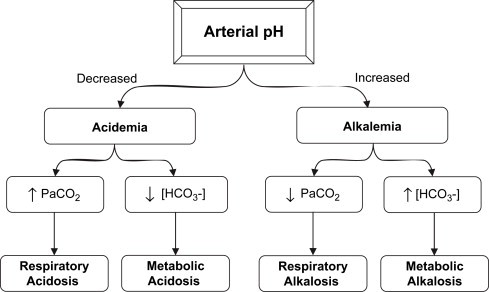
Choice B reason: A pH of 7.31 is below the normal range, indicating an acidic environment, which is consistent with respiratory acidosis.
Choice C reason: A pH of 7.48 is above the normal range, indicating a more alkaline environment, which would suggest respiratory alkalosis, not acidosis.
Choice D reason: A pH of 7.50 is also above the normal range and would indicate alkalosis rather than acidosis.
Nursing Test Bank
Naxlex Comprehensive Predictor Exams
Related Questions
Correct Answer is A
Explanation
Choice A reason: Metabolic acidosis is characterized by a low pH and a normal or low HCO3. In this case, the pH is 7.25, which is below the normal range of 7.35-7.45, and the HCO3 is 22, which is at the lower end of the normal range of 22-26 mEq/L, indicating metabolic acidosis.
Choice B reason: Respiratory acidosis is characterized by a high CO2 level. However, in this scenario, the CO2 is 40, which is within the normal range of 35-45 mmHg, ruling out respiratory acidosis.
Choice C reason: Metabolic alkalosis would present with a high pH and a high HCO3 level. Since the pH is low, metabolic alkalosis is not the correct answer.
Choice D reason: Respiratory alkalosis is characterized by a low CO2 level and a high pH. Given that the CO2 is normal and the pH is low, respiratory alkalosis is not the condition indicated by these ABG results.
 |
Correct Answer is A
Explanation
The correct answer is Choice A
Choice A rationale: Placing the patient in a supine position with knees flexed reduces tension on the abdominal wall and minimizes strain on the surgical site. This position promotes relaxation of the rectus muscles and decreases intra-abdominal pressure, which helps prevent further wound separation and evisceration. It also facilitates optimal circulation and allows for rapid assessment and intervention. Scientifically, this positioning is a first-line response to wound dehiscence and aligns with evidence-based emergency protocols.
Choice B rationale: Covering the wound with a clean towel does not meet sterile technique standards required for exposed internal tissues. In cases of dehiscence, especially with evisceration, sterile saline-soaked gauze is necessary to maintain tissue moisture and prevent infection. A clean towel may introduce contaminants and lacks the moisture-retaining properties needed to protect exposed organs. This action fails to meet scientific wound care principles and may compromise patient safety and healing.
Choice C rationale: Applying an abdominal binder to a dehisced wound can exert pressure on the compromised tissue and exacerbate separation. Binders are used prophylactically or postoperatively for support, not in acute dehiscence. Compression over an open or unstable wound risks ischemia, tissue damage, and impaired healing. Scientifically, this intervention is contraindicated during active wound separation and does not align with emergency wound management protocols.
Choice D rationale: Offering a drink of water is inappropriate during an acute surgical complication like wound dehiscence. Oral intake may be contraindicated due to potential need for surgical intervention or anesthesia. Additionally, hydration does not address the immediate risk of infection, tissue exposure, or hemorrhage. Scientifically, this action lacks relevance to the pathophysiology of dehiscence and may delay critical care. Priority should be stabilization and surgical evaluation, not fluid intake.
Whether you are a student looking to ace your exams or a practicing nurse seeking to enhance your expertise , our nursing education contents will empower you with the confidence and competence to make a difference in the lives of patients and become a respected leader in the healthcare field.
Visit Naxlex, invest in your future and unlock endless possibilities with our unparalleled nursing education contents today