
A nurse is caring for an adolescent who has major depressive disorder. Which of the following actions should the nurse take first?
Ask the client if he is considering harming himself.
Encourage the client to attend a group therapy session.
Administer an antidepressant to the client.
Assist the client in completing his ADLs.
The Correct Answer is A
Rationale:
A. Assessing the risk of self-harm or suicide is the top priority when caring for a patient with major depressive disorder. It allows the nurse to intervene immediately if there's a risk of harm.
B. While group therapy can be beneficial for individuals with depression, it's not the first priority when assessing for safety concerns.
C. Administering antidepressants may be part of the treatment plan, but it's essential to assess the immediate risk of self-harm before proceeding with medication administration.
D. Assisting with activities of daily living is important, but it's not the first action to take when assessing for safety in a patient with major depressive disorder.
Nursing Test Bank
Naxlex Comprehensive Predictor Exams
Related Questions
Correct Answer is A
Explanation
Rationale:
A. Allowing the child to sit on the parent's lap can provide comfort and support during the procedure.
B. While the electrocardiogram (ECG) machine may have alarms, they are not typically related to abnormal heart rhythms during the procedure.
C. ECG leads are typically placed on the chest, not the back.
D. The duration of an ECG is relatively short, usually only a few minutes, so stating that it will take at least 30 minutes may cause unnecessary concern for the parent.
Correct Answer is A
Explanation
Rationale:
A. Applying bactericidal ointment to lesions helps treat impetigo by killing the bacteria causing the infection.
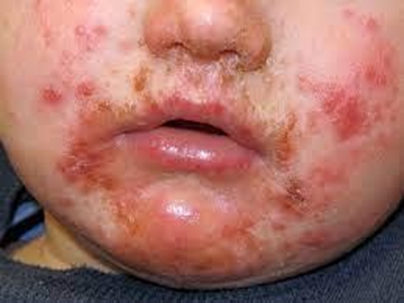
B. Acyclovir is used to treat viral infections such as herpes simplex virus, not bacterial infections like impetigo.
C. Soaking hairbrushes in boiling water is not necessary for treating impetigo.
D. Soft toys do not need to be sealed in a plastic bag for treating impetigo.
Whether you are a student looking to ace your exams or a practicing nurse seeking to enhance your expertise , our nursing education contents will empower you with the confidence and competence to make a difference in the lives of patients and become a respected leader in the healthcare field.
Visit Naxlex, invest in your future and unlock endless possibilities with our unparalleled nursing education contents today