
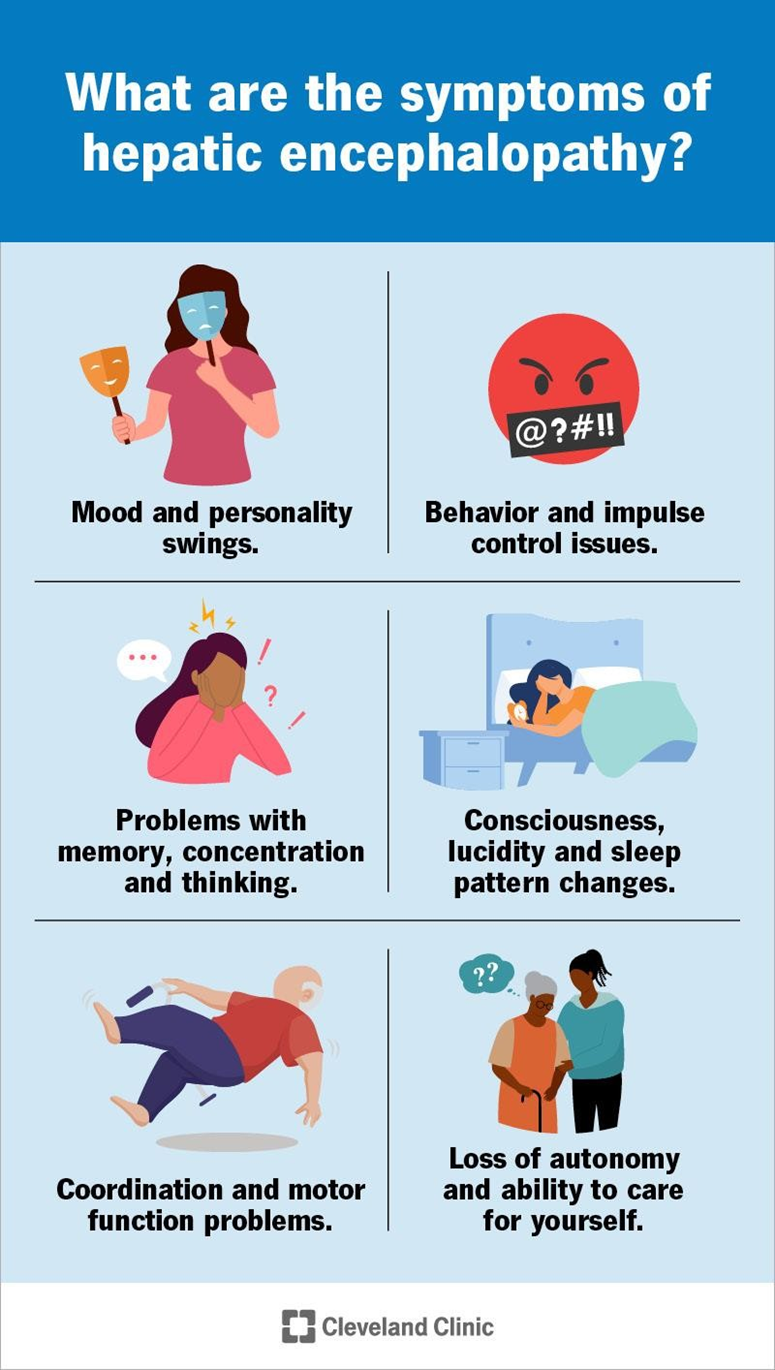
A nurse is providing education to the partner of a client who has hepatic encephalopathy about a prescription for lactulose. Which of the following statements should the nurse make to the client's partner?
"There should be a decrease in the number of bowel movements with this medication."
"IV administration is the preferred route to give this medication."
"This medication will treat the infection that is causing the confusion."
"We will monitor the serum ammonia level to help determine if the medication is effective."
The Correct Answer is D
A. Lactulose is a laxative that works by reducing the absorption of ammonia in the colon, leading to increased bowel movements. Therefore, there should be an increase rather than a decrease in the number of bowel movements with this medication.
B. Lactulose is typically administered orally or rectally, not intravenously.
C. Lactulose does not treat infection; it helps reduce ammonia levels in hepatic encephalopathy by promoting bowel movements to expel ammonia.
D. Monitoring the serum ammonia level is essential in assessing the effectiveness of lactulose therapy. Reduction in serum ammonia levels indicates that the medication is working to reduce ammonia absorption in the colon.
Nursing Test Bank
Naxlex Comprehensive Predictor Exams
Related Questions
Correct Answer is A
Explanation
A. Limiting protein intake is important for individuals with chronic kidney disease to reduce the workload on the kidneys and minimize the accumulation of waste products in the blood. High protein intake can accelerate the progression of kidney damage.
B. Increasing phosphorus intake is not recommended for individuals with chronic kidney disease, as impaired kidney function can lead to elevated phosphorus levels in the blood, which can contribute to complications such as bone disease and cardiovascular issues.
C. Increasing potassium intake is typically not advised for individuals with chronic kidney disease, especially if they have elevated potassium levels (hyperkalemia), as this can further stress the kidneys and increase the risk of cardiac arrhythmias.
D. Limiting calcium intake may be necessary for individuals with certain types of kidney stones, but it is not a general recommendation for all individuals with chronic kidney disease. In fact, calcium is important for bone health, and individuals with chronic kidney disease are at
increased risk of bone mineral disorders.
Correct Answer is ["B","C"]
Explanation
A. Legumes are a good source of protein but are considered an incomplete protein because they do not contain all essential amino acids.
B. Poultry is a complete protein as it contains all essential amino acids necessary for the human body.
C. Eggs are also a complete protein, providing all essential amino acids.
D. Nuts, similar to legumes, are an incomplete protein because they lack one or more of the essential amino acids.
E. Grains are typically incomplete proteins as they do not have all the essential amino acids that the body requires. However, when combined with other incomplete proteins, they can provide a complete protein profile.
Whether you are a student looking to ace your exams or a practicing nurse seeking to enhance your expertise , our nursing education contents will empower you with the confidence and competence to make a difference in the lives of patients and become a respected leader in the healthcare field.
Visit Naxlex, invest in your future and unlock endless possibilities with our unparalleled nursing education contents today