
The nurse is reinforcing teaching to the patient about the cause of pain from coronary artery disease. The nurse would evaluate the patient as understanding the education if the patient stated which of the following causes the pain from coronary artery disease?
Lack of sufficient oxygen to the myocardium.
Increased cardiac workload.
Interrupted electrical activity to areas of the heart.
Lack of nutrients to the heart.
The Correct Answer is A
Choice A reason: The myocardium requires a constant supply of oxygen to function properly. Coronary artery disease (CAD) causes a reduction in blood flow due to narrowed or blocked coronary arteries, leading to a lack of oxygen in the heart muscle, which can result in angina or chest pain.
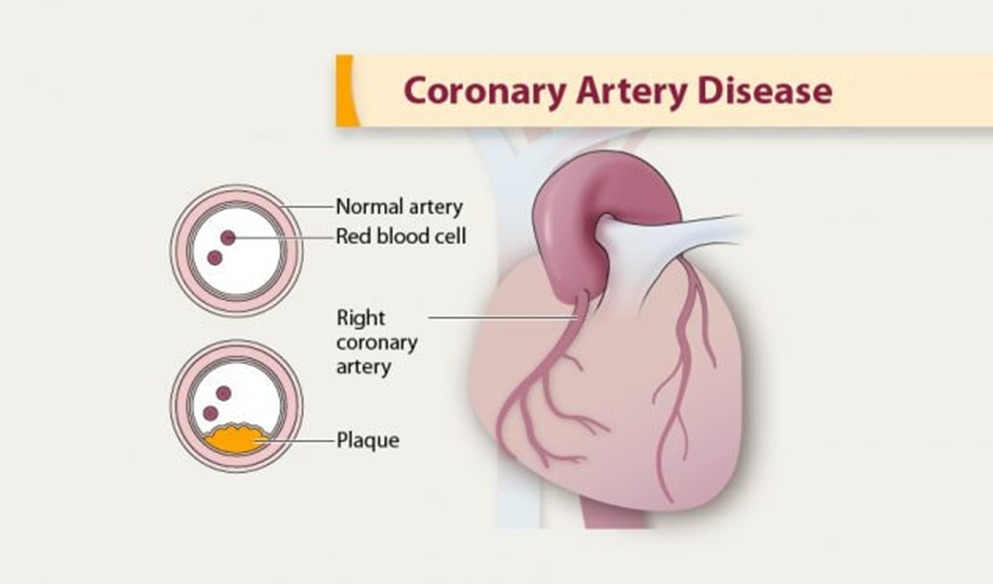
Choice B reason: While increased cardiac workload can exacerbate chest pain, it is not the primary cause of pain in CAD. The pain is primarily due to ischemia, which is the lack of oxygen and nutrients to the heart tissue due to reduced blood flow.
Choice C reason: Interrupted electrical activity can lead to arrhythmias or heart attack, but it is not the direct cause of pain in CAD. The pain is related to ischemia, not electrical disturbances.
Choice D reason: A lack of nutrients, including oxygen, to the heart does contribute to the pain experienced in CAD; however, the primary factor is the insufficient oxygen supply, which is explicitly stated in choice A.
Nursing Test Bank
Naxlex Comprehensive Predictor Exams
Related Questions
Correct Answer is ["A","C","D","E"]
Explanation
Choice A reason: An exercise stress test can help diagnose coronary artery disease by measuring the heart's ability to respond to external stress in a controlled clinical environment.
Choice B reason: Troponin I is a blood test that measures the levels of troponin T or troponin I proteins in the blood. These proteins are released when the heart muscle has been damaged, such as in a heart attack, which is a common complication of coronary artery disease.
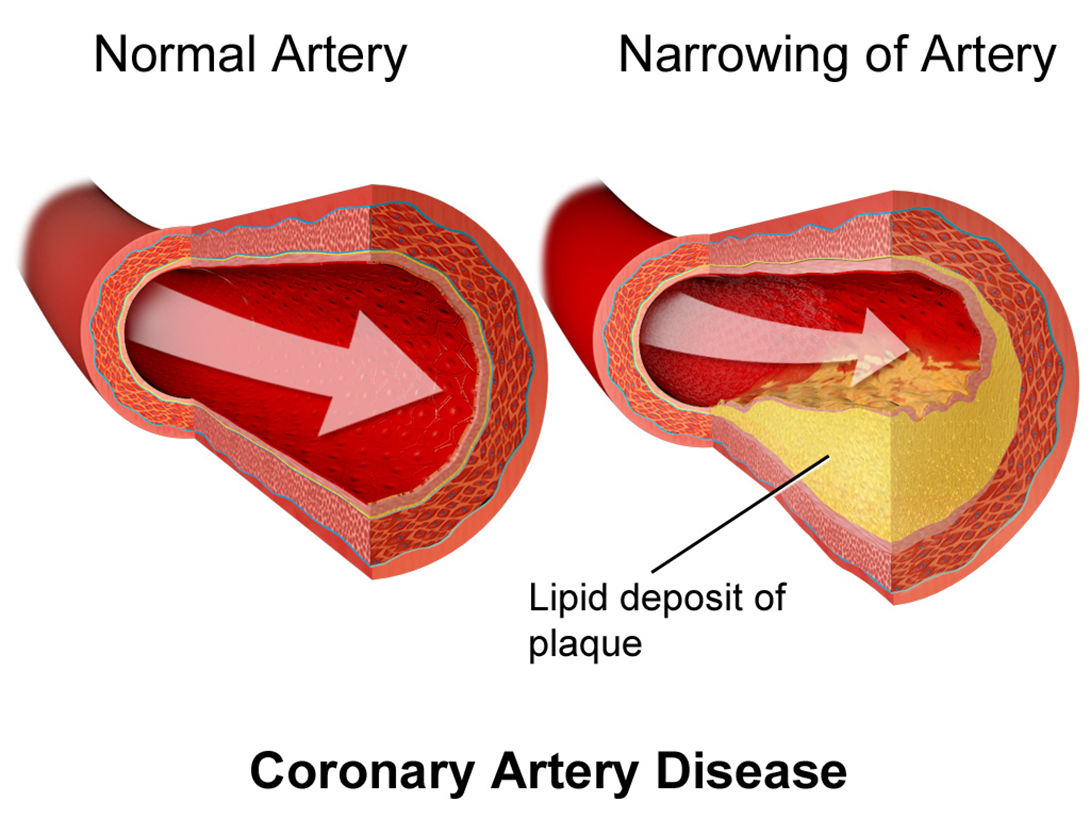
Choice C reason: Cardiac computed tomography (CT) for calcium scoring is a non-invasive way of obtaining information about the presence, location, and extent of calcified plaque in the coronary arteries.
Choice D reason: Radioisotope imaging, such as a nuclear stress test, can show how blood moves to the heart muscle at rest and during stress, helping to diagnose coronary artery disease.
Choice E reason: Angiography involves using X-rays to see your body's blood vessels. Coronary angiography is specifically used to see if your coronary arteries are blocked or narrowed, where they supply blood to your heart.
Correct Answer is D
Explanation
Choice A reason: While aspirin does have anti-inflammatory properties, the primary reason for prescribing it post-myocardial infarction is not to reduce inflammation.
Choice B reason: Aspirin can provide pain relief, but this is not the main purpose of its prescription following a myocardial infarction.
Choice C reason: Fever prevention is not a relevant effect in the context of aspirin use for coronary artery disease.
Choice D reason: Aspirin is prescribed to prevent blood clotting. It inhibits platelet aggregation, which is crucial in reducing the risk of further heart attacks by preventing clots that can occlude coronary arteries.
Whether you are a student looking to ace your exams or a practicing nurse seeking to enhance your expertise , our nursing education contents will empower you with the confidence and competence to make a difference in the lives of patients and become a respected leader in the healthcare field.
Visit Naxlex, invest in your future and unlock endless possibilities with our unparalleled nursing education contents today