
The nurse is performing an assessment on a client with a diagnosis of pernicious anemia.
Which finding would the nurse expect to note in this client?
Dusky mucous membranes
Red tongue that is smooth and sore
Shortness of breath on exertion
Dyspnea
The Correct Answer is B
A. Dusky mucous membranes are not typically associated with pernicious anemia.
B. A red tongue that is smooth and sore is a common finding in pernicious anemia due to vitamin B12 deficiency, which affects the epithelial cells of the tongue.
C. Shortness of breath on exertion can occur in many types of anemia but is not specific to pernicious anemia.
D. Dyspnea is also a common symptom in various anemias but is not as characteristic as the red, smooth, and sore tongue in pernicious anemia.
Nursing Test Bank
Naxlex Comprehensive Predictor Exams
Related Questions
Correct Answer is A
Explanation
A. Raloxifene hydrochloride is a selective estrogen receptor modulator (SERM) that is used for the prevention and treatment of osteoporosis in postmenopausal women. It helps to prevent bone loss and reduce the risk of fractures by acting similarly to estrogen in some tissues and antagonizing estrogen in others.
B. Levothyroxine is a thyroid hormone replacement medication used to treat hypothyroidism, not osteoporosis.
C. Escitalopram oxalate is an antidepressant medication used to treat depression and anxiety disorders, not osteoporosis.
D. Calcitonin is a hormone involved in calcium regulation, and calcitonin nasal spray is sometimes used in the treatment of osteoporosis, but it is not typically the first-line treatment option.
Correct Answer is A
Explanation
A. Hemophilia A: Hemophilia A is caused by a deficiency of factor VIII, leading to problems with blood clotting.
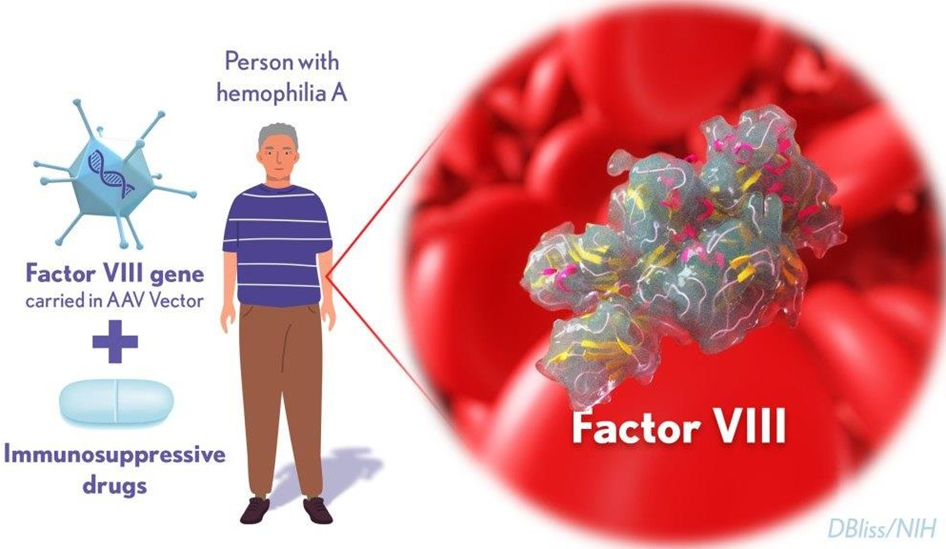
B. Hemophilia B: Hemophilia B is caused by a deficiency of factor IX, not factor VIII.
C. Christmas disease: Christmas disease is another name for Hemophilia B, which is caused by a deficiency of factor IX.
D. Sickle cell disease: Sickle cell disease is a genetic disorder affecting hemoglobin, not a clotting factor deficiency.
Whether you are a student looking to ace your exams or a practicing nurse seeking to enhance your expertise , our nursing education contents will empower you with the confidence and competence to make a difference in the lives of patients and become a respected leader in the healthcare field.
Visit Naxlex, invest in your future and unlock endless possibilities with our unparalleled nursing education contents today