
The nurse is reinforcing teaching for a patient who is using a continuous passive motion (CPM) machine. Which of these, if stated by the patient, indicates to the nurse correct understanding of its purpose?
To control pain
To relieve foot swelling
To strengthen leg muscles
To restore joint function
The Correct Answer is D
Choice A reason: While controlling pain is a benefit, it is not the primary purpose of a CPM machine.
Choice B reason: Relieving foot swelling is not the main function of a CPM machine.
Choice C reason: Strengthening leg muscles is not the direct purpose of a CPM machine; it is designed to move the joint without the patient's muscles being used.
Choice D reason: The primary purpose of a CPM machine is to restore joint function by moving the joint through a prescribed range of motion, often after surgery, to prevent stiffness and increase circulation.
Nursing Test Bank
Naxlex Comprehensive Predictor Exams
Related Questions
Correct Answer is D
Explanation
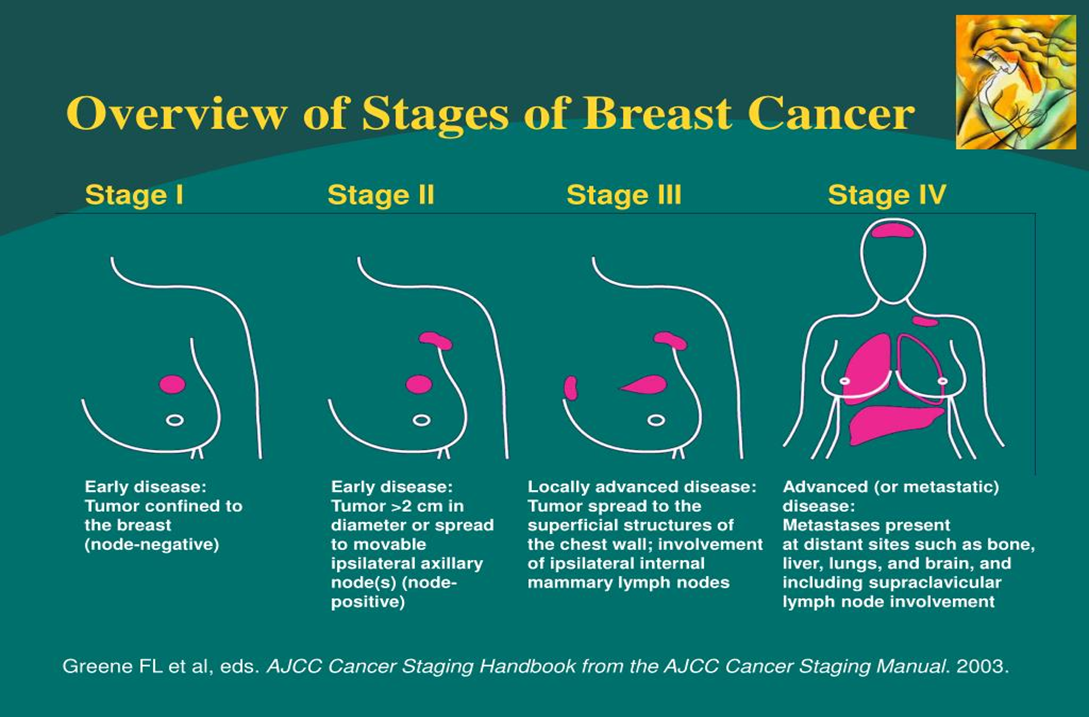
Choice A reason: A sodium level of 138 milliequivalents per liter is within the normal range and does not indicate metastasis.
Choice B reason: A hemoglobin level of 10.5 grams per deciliter is slightly low but does not specifically indicate metastasis.
Choice C reason: A potassium level of 3.4 milliequivalents per liter is within the normal range and does not indicate metastasis.
Choice D reason: A calcium level of 12.5 milligrams per deciliter is elevated, which may indicate metastasis to the bones, a common site for breast cancer metastasis.
Correct Answer is D
Explanation
Choice A reason: Thinking/content of thought refers to the logical process of thought and coherence, not directly to the experience of reality.
Choice B reason: Mood and affect pertain to the emotional state and its expression, not the perception of reality.
Choice C reason: Judgment involves decision-making abilities and the evaluation of situations, not the perception of reality.
Choice D reason: Perception is the component that deals with how a person experiences reality, including any hallucinations or delusions they may have.
Whether you are a student looking to ace your exams or a practicing nurse seeking to enhance your expertise , our nursing education contents will empower you with the confidence and competence to make a difference in the lives of patients and become a respected leader in the healthcare field.
Visit Naxlex, invest in your future and unlock endless possibilities with our unparalleled nursing education contents today