
The nurse is talking with a client who grew up in a home where both parents were alcoholics. Which behaviors does the nurse identify when assessing this client that correlate with this home life? Select all that apply.
Drinks alcohol to excess 3 days a week.
States that they hang on to bad relationships due to fear of being alone.
Went back to college to complete a degree in nursing.
Divorced 3 times with tumultuous relationships with spouses.
Several trusting relationships with friends.
Correct Answer : A,B,D
Choice A reason: Drinking alcohol to excess is a behavior that can be influenced by growing up in a home with alcoholic parents, as it may become a learned coping mechanism.
Choice B reason: Hanging on to bad relationships due to fear of being alone can be a behavior stemming from the instability and insecurity experienced in a home with alcoholic parents.
Choice C reason: Returning to college to complete a degree does not directly correlate with the influence of growing up in a home with alcoholic parents and is more indicative of personal ambition and goals.
Choice D reason: Having multiple divorces with tumultuous relationships could be related to the dysfunctional relationship dynamics observed in a home with alcoholic parents.
Choice E reason: Forming several trusting relationships with friends does not necessarily correlate with growing up in a home with alcoholic parents and is generally a positive social behavior.
Nursing Test Bank
Naxlex Comprehensive Predictor Exams
Related Questions
Correct Answer is ["A","C","E"]
Explanation
Choice A reason: Ongoing communication with team members is essential in managing care for clients with personality disorders, as it ensures consistency and support among caregivers.
Choice B reason: Solving clients' problems is a goal, but it is not a technique to manage the nurse's frustration.
Choice C reason: Recognizing that behavior changes can occur quickly allows the nurse to adjust care plans promptly and may reduce frustration.
Choice D reason: It is not advisable to consider clients as personal friends, as this can blur professional boundaries and potentially lead to frustration.
Choice E reason: Discussing feelings of anger or frustration with colleagues can provide a support system for the nurse, helping to manage stress and prevent burnout.
Correct Answer is ["A","B","D"]
Explanation
Choice A reason: A cardiac monitor is essential during ECT to monitor the heart's electrical activity, as the procedure can affect heart rate and rhythm.
Choice B reason: A blood pressure monitor is necessary to track the client's blood pressure throughout the procedure, as ECT can cause fluctuations in blood pressure.
Choice C reason: A portable x-ray machine is not typically required in the setup for ECT.
Choice D reason: An EEG monitor is used during ECT to record the electrical activity of the brain, which is crucial for assessing the seizure activity induced by the treatment.
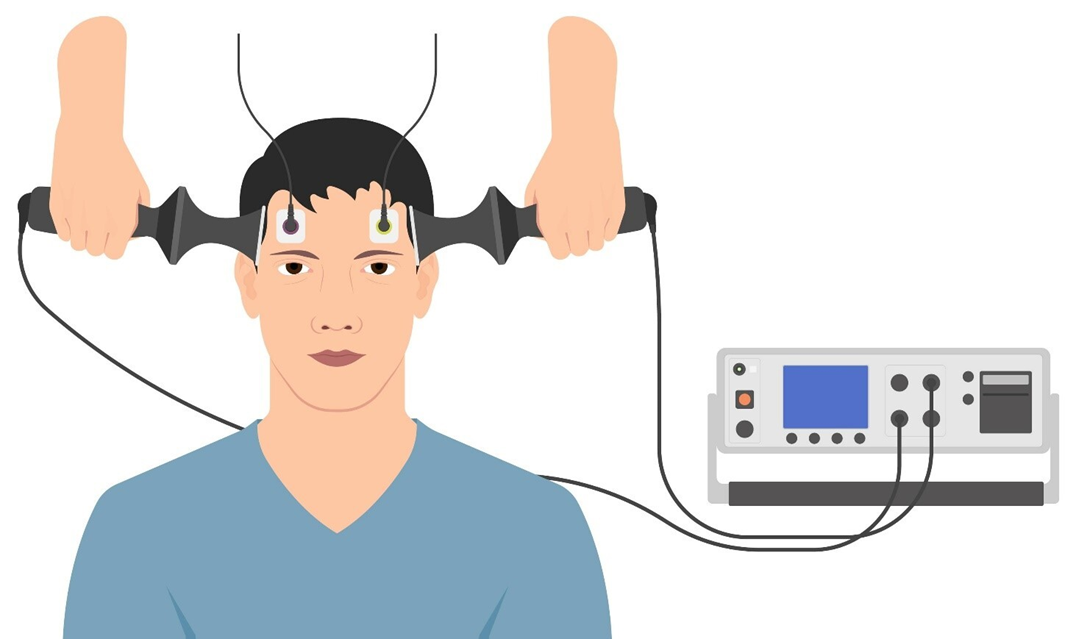
Choice E reason: An ophthalmoscope is not used during ECT; it is an instrument for examining the interior structures of the eye.
Whether you are a student looking to ace your exams or a practicing nurse seeking to enhance your expertise , our nursing education contents will empower you with the confidence and competence to make a difference in the lives of patients and become a respected leader in the healthcare field.
Visit Naxlex, invest in your future and unlock endless possibilities with our unparalleled nursing education contents today