






 Video Library


Ati Lpn Mental Health Proctored Exam
Ati Lpn Mental Health Proctored Exam
Total Questions : 38
Showing 10 questions Sign up for moreA nurse is collecting data on a patient who has mitral valve stenosis. Which of the following findings should the nurse expect?
Explanation
Choice A reason: A barrel chest is typically not associated with mitral valve stenosis. It is more commonly seen in chronic obstructive pulmonary disease (COPD) due to hyperinflation of the lungs. Mitral valve stenosis affects the heart and not the lung structure.
Choice B reason: Clubbing of the fingers is a sign that can be associated with chronic hypoxia and certain types of congenital heart disease. While it can be seen in some heart conditions, it is not a specific finding for mitral valve stenosis.
Choice C reason: A heart murmur, specifically a diastolic murmur, is a classic finding in mitral valve stenosis. As the stenotic mitral valve obstructs blood flow from the left atrium to the left ventricle, a pressure gradient is created, which produces a murmur that can be heard upon auscultation.
Choice D reason: Bradycardia, or a slower than normal heart rate, is not a direct finding associated with mitral valve stenosis. Mitral valve stenosis may lead to arrhythmias such as atrial fibrillation due to atrial enlargement, but bradycardia is not typically induced by this condition.
A nurse is assisting with the care of a client who was admitted to the telemetry unit after experiencing chest pain, dyspnea, and diaphoresis. Which of the following ECG findings is a manifestation of acute myocardial infarction?
Explanation
Choice A reason: The PR interval, which is the time from the onset of atrial depolarization (beginning of the P wave) to the onset of ventricular depolarization (beginning of the QRS complex), normally ranges from 0.12 to 0.20 seconds. A PR interval of 0.15 second is within the normal range and does not indicate an acute myocardial infarction.
Choice B reason: The QT interval represents the total time for ventricular depolarization and repolarization. The normal QT interval varies based on heart rate and gender but is typically less than half of the R-R interval in a normal heart rhythm. Therefore, a QT interval equal to the R-R interval is abnormally prolonged, which may suggest other conditions but is not a specific indicator of acute myocardial infarction.
Choice C reason: The QRS complex reflects ventricular depolarization and normally ranges from 0.06 to 0.10 seconds. A QRS interval of 0.08 second is within the normal range and does not suggest an acute myocardial infarction.
Choice D reason: ST segment elevation is a critical finding in the diagnosis of acute myocardial infarction. The ST segment should be at the isoelectric line; elevation above this line is indicative of myocardial injury and is a key diagnostic criterion for ST-elevation myocardial infarction (STEMI). An elevated ST segment is often seen in the early stages of an acute myocardial infarction and requires immediate medical attention.
A nurse is reinforcing teaching with a young adult female client who has been prescribed lisinopril.
Which of the following instructions should the nurse plan to include? (Select all that apply)
Explanation
Choice A reason: Monitoring cholesterol levels is essential while taking lisinopril. This medication is an angiotensin-converting enzyme (ACE) inhibitor used to treat high blood pressure, heart failure, and heart attack. Regular monitoring helps assess the impact of lisinopril on lipid levels and overall cardiovascular health. Elevated cholesterol can contribute to heart disease, so monitoring allows for timely interventions and adjustments in treatment.
Choice C reason: Potassium-rich foods are relevant because lisinopril can affect potassium levels. ACE inhibitors may lead to hyperkalemia (high potassium levels), especially in patients with impaired kidney function. Encouraging potassium-rich foods helps maintain a balance and prevent complications.
Choice D reason: Reporting a persistent dry cough is crucial. Lisinopril is associated with a common side effect: a dry, persistent cough. This occurs due to increased levels of bradykinin, a substance affected by ACE inhibitors. If the client experiences this cough, it's essential to notify the doctor for potential medication adjustments.
Choice E reason: Monitoring blood pressure aligns with the purpose of lisinopril. Regular blood pressure checks help assess the effectiveness of the medication in controlling hypertension. Consistent monitoring ensures timely adjustments and prevents complications related to high blood pressure.
A nurse is collecting data on a patient who is postoperative following aortic valve replacement. Which of the following tasks should the nurse prioritize during data collection?
Explanation
Choice A reason: Pain assessment is a critical priority for postoperative patients. After aortic valve replacement surgery, patients may experience discomfort or pain related to the incision site, chest tube placement, or other surgical interventions. Pain assessment allows the nurse to evaluate the effectiveness of pain management strategies, adjust medications as needed, and ensure the patient's comfort and well-being. Pain can also impact vital signs and overall recovery, so addressing it promptly is essential.
Choice B reason: Monitoring blood pressure is important, but it is not the highest priority immediately after surgery. Blood pressure assessment is part of routine postoperative care, but it does not directly address the patient's immediate comfort or potential complications. However, if the patient's blood pressure becomes significantly abnormal, it would require immediate attention.
Choice C reason: Checking bowel sounds is relevant for assessing gastrointestinal function, but it is not the top priority immediately postoperatively. Bowel sounds may be diminished initially due to anesthesia, surgical manipulation, or bowel rest. However, assessing pain and other vital signs takes precedence over bowel sounds in the immediate recovery period.
Choice D reason: Assessing the catheter insertion site is essential, especially if the patient has an indwelling urinary catheter. However, it is not the highest priority immediately after aortic valve replacement. Pain assessment and monitoring for complications related to surgery (such as bleeding, infection, or cardiac issues) take precedence. The catheter site can be assessed during routine nursing care.
A nurse is reinforcing teaching with a client who has peripheral vascular disease. Which of the following instructions should the nurse include in the teaching?
Explanation
Choice A reason: Walking is a highly beneficial activity for individuals with peripheral vascular disease (PVD). It helps improve circulation, which can be compromised in PVD due to narrowed or blocked blood vessels. Regular walking can lead to the development of collateral circulation, which is the formation of new blood vessels that bypass the blockages and improve blood flow to the affected areas. This can help alleviate symptoms such as pain and cramping during walking, known as claudication. Walking should be done at a pace that is comfortable and should be stopped if pain occurs. Over time, walking can increase the distance a person with PVD can walk without pain.
Choice B reason: Compression stockings are often recommended for individuals with PVD to help improve blood flow. Knee-length stockings exert pressure on the lower legs, helping to reduce edema and discomfort associated with PVD. They can also help prevent deep vein thrombosis, a potential complication of PVD.
Choice C reason: Elevating the legs can help reduce swelling and improve venous return in clients with PVD. It is recommended to elevate the legs above the level of the heart to maximize the effect. This can be done by placing pillows under the legs while lying down.
Choice D reason: Shopping for shoes in the morning is advised because feet can swell throughout the day, especially in clients with PVD. Fitting shoes in the morning can help ensure a more accurate fit, reducing the risk of pressure points that could lead to skin breakdown and ulcers.
A nurse is caring for a client who has hypertension and is to start taking atenolol. The nurse should instruct the client to monitor for which of the following findings as an adverse effect of this medication?
Explanation
Choice A reason: Cough is not commonly associated with atenolol. Atenolol is a beta-blocker used to treat hypertension and is less likely to cause respiratory side effects compared to some other classes of antihypertensive medications.
Choice B reason: Bradycardia, or a slower than normal heart rate, is a well-documented adverse effect of atenolol. Atenolol works by blocking beta-1 receptors in the heart, which can reduce the heart rate. Normal heart rate ranges for infants (1 to 11 months old) are 80-160 beats per minute (BPM), and for toddlers (1-2 years old), it's 80-130 BPM. Bradycardia would be defined as a heart rate below these normal ranges. It is important for patients starting atenolol to monitor their pulse regularly and report any significant decrease in heart rate to their healthcare provider.
Choice C reason: While constipation can be a side effect of many medications, it is not a common adverse effect of atenolol. Atenolol does not typically affect the gastrointestinal system to the extent that it causes constipation.
Choice D reason: Headache is not a typical adverse effect of atenolol. While headaches can occur for a variety of reasons, they are not directly linked to the pharmacological action of atenolol on the cardiovascular system.
A nurse is reinforcing discharge teaching for a client who will be taking warfarin (Coumadin) at home. Which of the following statements indicates that the client understands the effects of this medication?
Explanation
Choice A : While vitamin K is essential for normal blood clotting, warfarin works by blocking the action of vitamin K. Therefore, clients taking warfarin should maintain a consistent intake of vitamin K-rich foods to avoid fluctuations in their response to the medication. Inconsistent vitamin K intake can affect the effectiveness of warfarin. The nurse should educate the client to consume a consistent amount of vitamin K-containing foods rather than emphasizing "lots" of vitamin K.
Choice B : Warfarin is an anticoagulant that increases the risk of bleeding. Taking aspirin (another blood-thinning medication) along with warfarin can further enhance this risk. The nurse should emphasize that clients should avoid taking aspirin or other nonsteroidal anti-inflammatory drugs (NSAIDs) without consulting their healthcare provider while on warfarin therapy.
Choice C : Alcohol can interact with warfarin and increase the risk of bleeding. Clients should be advised to limit alcohol consumption while taking warfarin. The nurse should educate the client that alcohol intake should be moderate and consistent, rather than encouraging wine consumption.
Choice D :While it is essential to minimize the risk of cuts and bleeding, the use of an electric razor is not specific to warfarin therapy. Clients should be cautious with any sharp objects, including razors, to prevent bleeding. The nurse should provide general safety instructions for shaving, but this choice does not directly relate to warfarin effects.
A 46-year-old African American man is in an outpatient clinic for a physical examination. His blood pressure (BP) is 126 mm Hg, his body mass index (BMI) is 24, and he reports no previous medical problems. Which of the following actions should the nurse take?
Explanation
Choice A reason: Scheduling the next appointment for 1 year from now is a standard practice for patients who are considered to be in good health and have no immediate medical concerns. Given the patient's normal BP and BMI, along with no reported medical problems, this would typically be an appropriate action. However, it is essential to consider the patient's age and race, as African American men are at a higher risk for certain conditions, such as prostate cancer, which may warrant more frequent monitoring.
Choice B reason: While providing information for a weight loss plan that includes increasing physical activity is generally beneficial, it may not be necessary for this patient. His BMI is 24, which falls within the normal range (18.5-24.9), indicating that he is not overweight. Therefore, unless the patient expresses a desire to lose weight or improve fitness, this action might not be a priority.
Choice C reason:Offering information on reducing risk factors for hypertension is always a positive step in preventive healthcare. However, the patient's BP is 126 mm Hg, which is considered a normal reading (normal BP range is 90/60 mm Hg to 120/80 mm Hg). Therefore, while education on maintaining a healthy lifestyle is valuable, it may not be the most critical action for this visit.
Choice D reason:Scheduling a PSA test is recommended for African American men starting at age 45 due to their increased risk of prostate cancer. The PSA test measures the level of prostate-specific antigen in the blood, which can be an indicator of prostate cancer. Given the patient's demographic, this proactive screening measure is advisable, despite the absence of symptoms or previous medical problems.
A nurse is collecting data on a client who has bradycardia. Which of the following findings should the nurse expect?
Explanation
Choice A reason : A fixed volume deficit, or hypovolemia, is not a direct finding associated with bradycardia. Bradycardia refers to a slower than normal heart rate, typically below 60 beats per minute in adults⁸. Hypovolemia can cause various compensatory mechanisms to activate, including an increase in heart rate to maintain cardiac output, which is the opposite of bradycardia. Therefore, a fixed volume deficit is not a typical finding in bradycardia unless it is part of a broader clinical picture⁹.
Choice B reason : Anxiety is a condition that can sometimes lead to an increased heart rate, known as tachycardia, rather than a decreased heart rate as seen in bradycardia. While anxiety can coexist with bradycardia, especially if the patient is anxious about their health, it is not a direct symptom or finding of bradycardia itself⁹.
Choice C reason : Lightheadedness is a common symptom of bradycardia. When the heart rate is too slow, it may lead to inadequate cerebral perfusion, which can cause a feeling of lightheadedness or dizziness. This symptom can be particularly evident when the patient changes positions, such as standing up quickly, which can exacerbate the effects of reduced cardiac output on cerebral blood flow⁸⁹.
Choice D reason : An elevated temperature is not typically associated with bradycardia. Fever can actually lead to an increased heart rate as the body attempts to manage the higher metabolic demands associated with a raised temperature. Bradycardia in the presence of fever might indicate a more complex clinical scenario, such as myocarditis or central nervous system infections, but it is not a direct finding of bradycardia⁹.
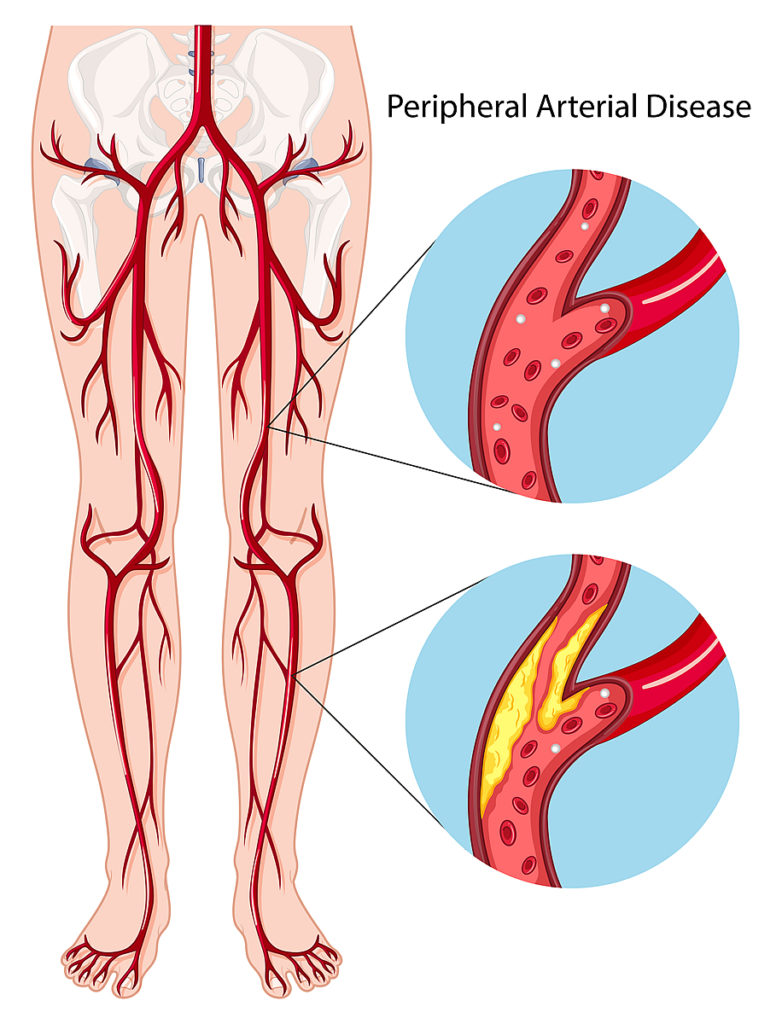
A nurse is collecting data from a client who has peripheral arterial disease (PAD). Which of the following findings should the nurse expect?
Explanation
Choice A reason f:Intermittent claudication is a classic symptom of PAD, characterized by muscle pain or cramping in the legs triggered by exercise, such as walking, which typically disappears after a few minutes of rest. This symptom occurs due to inadequate blood flow to the muscles during increased demand.
Choice B reason :Darkened skin color near the extremities, also known as hyperpigmentation, can occur in PAD due to the chronic ischemia and the resultant buildup of waste products in the tissue, which may lead to skin changes.
Choice C reason :Warm extremities are not typically associated with PAD. In fact, patients with PAD may have cooler extremities compared to the rest of the body due to reduced blood flow.
Choice D reason :Edema is not a common finding in PAD. Instead, PAD can lead to decreased skin temperature, loss of hair, shiny skin, and non-healing wounds on the extremities due to poor circulation.
You just viewed 10 questions out of the 38 questions on the Ati Lpn Mental Health Proctored Exam Exam. Subscribe to our Premium Package to obtain access on all the questions and have unlimited access on all Exams. Subscribe Now