






 Video Library


Maternal-Newborn 2019 Proctored Exam 2
ATI Maternal-Newborn 2019 Proctored Exam 2
Total Questions : 20
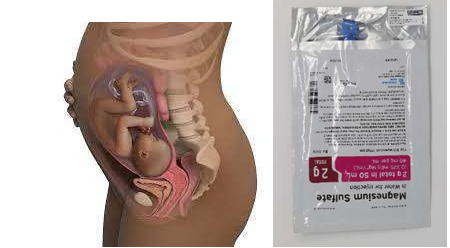
Showing 10 questions Sign up for moreA nurse is assessing a client who is at 32 weeks of gestation and is receiving magnesium sulphate via continuous IV infusion. Which of the following findings should the nurse report to the provider?
Explanation
Absent deep tendon reflexes are a sign of magnesium toxicity, which can occur with high levels of magnesium in the bloodstream. This can be a serious complication that requires immediate atention from the provider.
Option A, a decrease in frequency of contractions, is actually a desired effect of magnesium sulfate in the management of preterm labor. It is not a cause for concern.
Option B, a blood pressure reading of 150/100 mm Hg, is high, but it is not necessarily related to the administration of magnesium sulfate. However, it should still be reported to the provider for appropriate management.
Option D, a urinary output of 35 mL/hr, is below the normal range but it may still be within an acceptable range for a client receiving magnesium sulfate. The provider should be notified if urinary output continues to decrease or if it falls below a certain threshold.
A nurse is teaching a client and her partner about the technique of counterpressure during labor. Which of the following statements by the nurse is appropriate?
Explanation
Counterpressure is a technique that involves applying pressure to specific areas of the body during labor to help alleviate pain and discomfort. This technique is particularly helpful during the active phase of labor when contractions are strong and painful. The most common area to apply counterpressure is the lower back, as this is where many women experience the most intense pain during labor.
Option A “Your partner will apply pressure to the top of your uterus during contractions” is incorrect as applying pressure to the top of the uterus is not a recommended technique and could be harmful to the mother and the baby.
Option C “Your partner will apply continuous, firm pressure between your thumb and index finger” is incorrect as this technique is used to alleviate pain and discomfort during contractions in the hand and wrist, not for counterpressure.
Option D “Your partner will apply upward pressure on your lower abdomen between contractions” is incorrect as this technique is used to help turn a baby who is in a posterior position, not for counterpressure.

A nurse is caring for a client who is at 30 weeks of gestation and receiving magnesium sulfate for preeclampsia. The nurse should recognize which of the following manifestations as an adverse reaction to the medication?
Explanation
A) Hypertension is not typically an adverse reaction to magnesium sulfate; this medication is actually used to lower high blood pressure in preeclampsia.
B) Hypoglycemia is also not a common adverse reaction to magnesium sulfate. This medication does not typically affect blood sugar levels.
C) A respiratory rate of 16/min is within normal limits and is not indicative of an adverse reaction to magnesium sulfate, which can cause respiratory depression if it does affect breathing.
D) Urine output of 20 mL/hr is a concerning sign and can indicate nephrotoxicity or acute kidney injury, which are possible adverse reactions to magnesium sulfate, especially in the context of preeclampsia where kidney function must be closely monitored.
A nurse is reviewing the chart of a client who is 2 days postpartum following a vaginal delivery and reports constipation.
Which of the following findings should the nurse identify as a contraindication to the use of a suppository?
Explanation
Constipation is a common postpartum issue due to decreased bowel motility, dehydration, and fear of pain during defecation. Suppositories are a common treatment option to help relieve constipation in postpartum clients. However, there are certain contraindications to the use of suppositories.
Option A, abdominal distention, is not a contraindication to the use of a suppository, as it can help relieve the distention and promote bowel movement.
Option C, vaginal candidiasis, is also not a contraindication to the use of a suppository. In fact, antifungal suppositories may be prescribed to treat the candidiasis.
Option D, afterpain, is not a contraindication to the use of a suppository, as afterpains are normal
postpartum contractions that occur as the uterus returns to its pre-pregnancy size.
Option B, third-degree perineal laceration, is a contraindication to the use of a suppository. The suppository can cause further trauma to the already injured perineal area and delay the healing process. In this case, alternative treatment options, such as stool softeners or laxatives, should be considered.
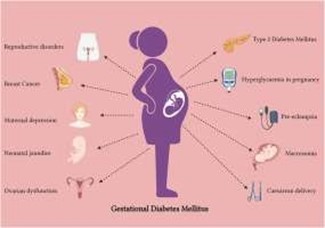
A nurse is caring for a client who is at 32 weeks of gestation and has gestational diabetes mellitus. Which of the following findings should the nurse report to the provider?
Explanation
Fundal height is measured from the top of the pubic bone to the top of the uterus and is used to assess fetal growth. A fundal height measurement that is larger than expected for gestational age may indicate a problem such as macrosomia (a larger than average baby), which can be a complication of gestational diabetes. The nurse should report this finding to the provider for further evaluation.
A nurse is reviewing the electronic medical record of a postpartum client. The nurse should identify that which of the following factors places the client at risk for an infection?
Explanation
A. A midline episiotomy is a surgical incision made in the perineal area during childbirth. It is recognized as a risk factor for postpartum infection due to the possibility of bacterial contamination during and after delivery. Proper care and monitoring are essential to prevent infection in the site of the incision.
B.meconium-stained fluid, is not typically a risk factor for maternal infection; it is more a concern for the infant's health if aspirated.
C.gestational hypertension, affects blood pressure during pregnancy but does not directly increase the risk of postpartum infection.
D.placenta previa, is a condition where the placenta covers the cervix, which can lead to bleeding but not infection. Therefore, among the given options, a midline episiotomy is the factor that most significantly places the postpartum client at risk for an infection.
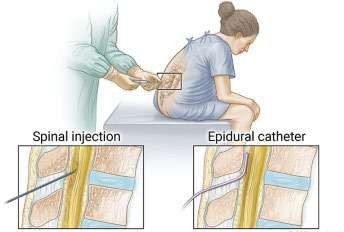
A nurse is caring for a client who is in labor and just received epidural anaesthesia. The client’s blood pressure is 90/50 mm Hg. Which of the following actions should the nurse take?
Explanation
A common side effect of epidural anaesthesia is a drop in blood pressure. Turning the client onto their side can help improve blood flow to the uterus and baby and may help raise the mother’s blood pressure.
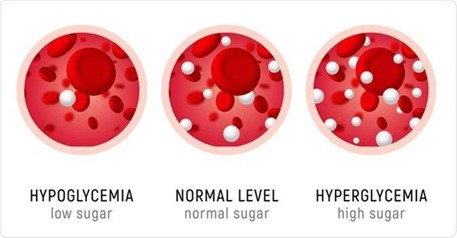
A nurse is caring for a client who has pregestational diabetes mellitus. Which of the following clinical findings should indicate to the nurse that the client has hyperglycemia?
Explanation
Hyperglycemia, or high blood sugar, can cause increased urination as the body tries to remove excess glucose from the blood. This can lead to dehydration and increased thirst.
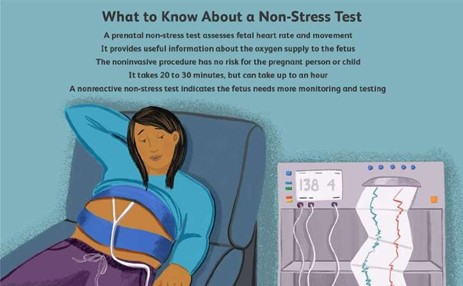
A nurse is assessing the results of a nonstress test for an antepartum client at 35 weeks of gestation. Which of the following findings should indicate to the nurse the need for further diagnostic testing?
Explanation
A nonstress test measures fetal heart rate in response to fetal movement. A reactive nonstress test result is when there are at least two accelerations of the fetal heart rate within a 20-minute period, each lasting at least 15 seconds and peaking at least 15 beats per minute above the baseline. If there are fewer than two accelerations within a 20-minute period, further diagnostic testing may be needed.
A nurse is planning care immediately following birth for a newborn who has a myelomeningocele that is leaking cerebrospinal fluid. Which of the following actions should the nurse include in the plan of care?
Explanation
Rationale for A: Monitoring the rectal temperature is important, but every 4 hours may not be frequent enough to assess for signs of infection or other complications in a newborn with myelomeningocele.
Rationale for B: Administering broad-spectrum antibiotics is crucial to prevent infection, especially in cases of myelomeningocele where the protective covering of the spinal cord is compromised.
Rationale for C: Cleansing the site with povidone-iodine is not recommended as it can be irritating and potentially harmful to the delicate tissue surrounding the defect.
Rationale for D: Surgical closure is typically performed as soon as possible after birth, often within 24 hours, rather than delaying it for 72 hours.
You just viewed 10 questions out of the 20 questions on the ATI Maternal-Newborn 2019 Proctored Exam 2 Exam. Subscribe to our Premium Package to obtain access on all the questions and have unlimited access on all Exams. Subscribe Now