






 Video Library


Ati lpn mental health proctored exam
Ati lpn mental health proctored exam
Total Questions : 39
Showing 10 questions Sign up for moreA nurse is reviewing ethical principles with a nursing colleague. Which of the following statements by the nursing colleague indicates an understanding of ethical principles?
Explanation
Choice A reason: Justice is the ethical principle concerned with fairness, equity, and the impartial distribution of resources, risks, and benefits. In healthcare, justice guides decisions such as prioritizing care based on clinical need and ensuring equal access to services regardless of personal characteristics. It does not relate to client loyalty, which is not an ethical principle but rather a relational dynamic. Framing justice as loyalty misrepresents its core meaning and undermines its role in ethical decision-making, which centers on fairness and equitable treatment across individuals and populations.
Choice B reason: Veracity is the ethical duty to tell the truth, primarily referring to the clinician’s obligation to be honest with clients, provide accurate information, and support informed decision-making. While clients may also be truthful, the ethical principle of veracity is anchored in professional conduct—ensuring transparency, avoiding deception, and maintaining trust through honest communication. Defining veracity as the client’s ability to provide truthful information shifts responsibility away from the clinician and distorts the principle’s intent, which is to uphold truthfulness in the delivery of care.
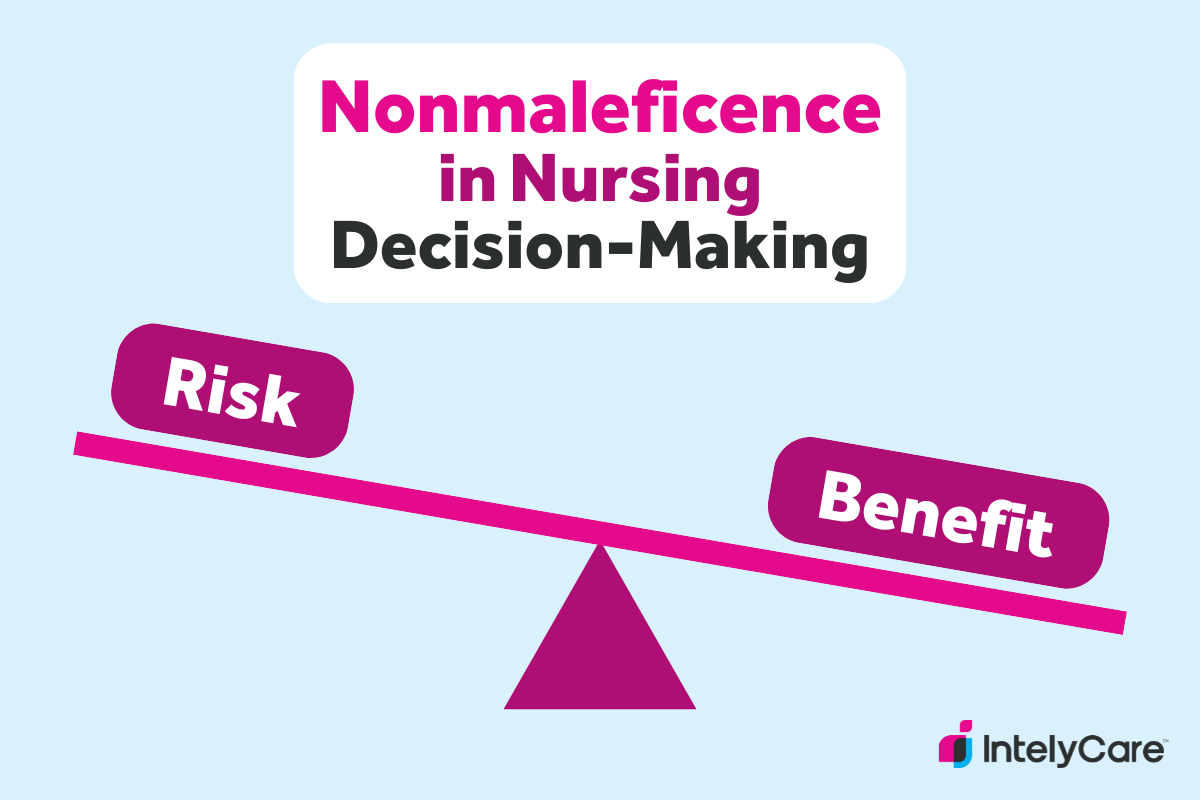
Choice C reason: Nonmaleficence is the obligation to avoid causing harm—“do no harm.” This principle requires nurses to prevent injury, minimize risk, and avoid interventions where harms outweigh benefits. It underpins safe practice, careful monitoring, and risk mitigation, including avoiding unnecessary procedures, preventing medication errors, and recognizing when withholding or withdrawing interventions is ethically appropriate. It is correctly stated here as a core nursing obligation, aligning with the foundational ethical commitment to protect clients from harm in all aspects of care.
Choice D reason: Beneficence is the duty to promote the well-being of clients by acting in their best interests, supporting positive outcomes, and balancing benefits against risks. It does not mean causing an “intentional outcome,” which implies a focus on intent rather than the ethical quality of the outcome. Ethical beneficence emphasizes compassionate, evidence-based actions that enhance health and quality of life, while avoiding paternalism and ensuring respect for autonomy. The phrasing here is misleading because beneficence is about promoting good, not merely producing outcomes through intention without regard to benefit, risk, or consent.
A nurse is caring for a client who has reported experiencing abuse at home. Which of the following actions should be a priority for the nurse?
Explanation
Choice A reason: Referring the client to a community support group is an important intervention because it provides emotional support, resources, and connection with others who have experienced similar situations. However, this is not the immediate priority when abuse is reported. Before referral, the nurse must ensure that the client and any children are safe from imminent harm. Support groups are valuable for long-term coping and recovery but do not address urgent safety needs.
Choice B reason: Instructing the client on how to leave the relationship may be helpful, but it is not the priority. Leaving an abusive relationship can be dangerous if not carefully planned, and the nurse must first assess whether there is immediate risk of harm. Without this assessment, advising the client to leave could inadvertently increase danger, as abusers often escalate violence when they perceive loss of control.
Choice C reason: Implementing the safety plan is a critical step in protecting the client, but it comes after assessing the level of immediate danger. A safety plan includes strategies such as identifying safe places, emergency contacts, and escape routes. However, the nurse must first determine whether the client or children are currently at risk of harm before deciding which safety measures to activate.
Choice D reason: Assessing for risk of immediate harm to the patient or children is the priority because it directly addresses the most urgent concern—whether lives are in danger. This assessment guides all subsequent interventions, including safety planning, referrals, and education. Immediate risk assessment ensures that emergency measures, such as contacting law enforcement or child protective services, can be taken if necessary. It is the foundation of all other actions and aligns with the nurse’s duty to protect clients from harm.
A nurse is caring for a client who has been admitted for a psychiatric evaluation after displaying aggressive behavior towards their partner and 2-year-old child. Which of the following client statements should the nurse identify as potentially contributing to aggression?
Explanation
Choice A reason: Justice is the ethical principle concerned with fairness, equity, and the impartial distribution of resources, risks, and benefits. In healthcare, justice guides decisions such as prioritizing care based on clinical need and ensuring equal access to services regardless of personal characteristics. It does not relate to client loyalty, which is not an ethical principle but rather a relational dynamic. Framing justice as loyalty misrepresents its core meaning and undermines its role in ethical decision-making, which centers on fairness and equitable treatment across individuals and populations.
Choice B reason: Veracity is the ethical duty to tell the truth, primarily referring to the clinician’s obligation to be honest with clients, provide accurate information, and support informed decision-making. While clients may also be truthful, the ethical principle of veracity is anchored in professional conduct—ensuring transparency, avoiding deception, and maintaining trust through honest communication. Defining veracity as the client’s ability to provide truthful information shifts responsibility away from the clinician and distorts the principle’s intent, which is to uphold truthfulness in the delivery of care.
Choice C reason: Nonmaleficence is the obligation to avoid causing harm—“do no harm.” This principle requires nurses to prevent injury, minimize risk, and avoid interventions where harms outweigh benefits. It underpins safe practice, careful monitoring, and risk mitigation, including avoiding unnecessary procedures, preventing medication errors, and recognizing when withholding or withdrawing interventions is ethically appropriate. It is correctly stated here as a core nursing obligation, aligning with the foundational ethical commitment to protect clients from harm in all aspects of care.
Choice D reason: Beneficence is the duty to promote the well-being of clients by acting in their best interests, supporting positive outcomes, and balancing benefits against risks. It does not mean causing an “intentional outcome,” which implies a focus on intent rather than the ethical quality of the outcome. Ethical beneficence emphasizes compassionate, evidence-based actions that enhance health and quality of life, while avoiding paternalism and ensuring respect for autonomy. The phrasing here is misleading because beneficence is about promoting good, not merely producing outcomes through intention without regard to benefit, risk, or consent.
Choice A reason: A history of being physically abused as a child is a significant risk factor for aggressive behavior in adulthood. Exposure to violence during formative years can normalize aggression, impair emotional regulation, and contribute to cycles of abuse. This statement indicates a direct link between childhood trauma and current aggressive tendencies, making it a key contributing factor.
Choice B reason: Drinking a glass of wine occasionally with dinner is not typically associated with aggression. Moderate alcohol consumption in this context does not indicate substance abuse or impaired judgment. While excessive alcohol use can contribute to aggression, occasional moderate intake is not a causal factor.
Choice C reason: Reporting that a parent was physically abusive during childhood highlights intergenerational trauma. Children who grow up in abusive environments often internalize violent behaviors as coping mechanisms or relational patterns. This background increases the likelihood of aggressive responses in adulthood, especially in stressful situations.
Choice D reason: A family member taking the client fishing several times as a toddler is a positive childhood experience and does not contribute to aggression. Such activities are associated with bonding and healthy development, not violent behavior. This statement reflects nurturing rather than harmful influences.
A nurse in an emergency department often sees victims of intimate partner violence. Which of the following actions should the nurse take when caring for victims of violence?
Explanation
Choice A reason: Suggesting that the client avoid making their partner angry places responsibility for the abuse on the victim rather than the perpetrator. This approach perpetuates victim-blaming and does not address the underlying issue of violence. It is not an appropriate or ethical nursing intervention, as it fails to empower the client or provide them with resources for safety and support.
Choice B reason: Providing information on community resources is the most appropriate action. This empowers the client by connecting them with support systems such as shelters, counseling services, legal aid, and advocacy groups. These resources can help victims of violence develop safety plans, access emergency housing, and receive emotional and psychological support. This intervention respects the client’s autonomy and provides practical assistance to improve safety and well-being.
Choice C reason: Offering strategies for interacting in social situations does not address the immediate issue of intimate partner violence. While social support can be beneficial, this option is not directly relevant to the client’s safety or access to resources. It may be useful in general wellness care but is not a priority intervention in the context of abuse.
Choice D reason: Instructing the client on how to behave to prevent anger from their partner reinforces the abusive dynamic and suggests that the victim can control the perpetrator’s behavior. This is harmful and unethical, as it shifts responsibility away from the abuser and onto the victim. Nurses must avoid interventions that perpetuate abuse or minimize the seriousness of the situation.
A nurse is providing care to a child during a routine wellness check-up. Which of the following client statements should indicate to the nurse that the client is at a higher risk for experiencing abuse and violence?
Explanation
Choice A reason: Struggling with a test or academic performance is common among children and does not directly indicate risk for abuse or violence. Academic difficulties can result from many factors such as learning challenges, stress, or lack of study time, but they are not a strong predictor of abuse.
Choice B reason: A parent starting a new job is not inherently linked to abuse risk. While changes in family dynamics or stressors can affect children, this statement does not suggest neglect or violence. Employment changes are normal life events and do not directly indicate abuse.
Choice C reason: Lacking role models can be a red flag for abuse or neglect. Children who do not identify supportive adults in their lives may be experiencing isolation, lack of guidance, or dysfunctional family environments. This absence of positive figures can increase vulnerability to abuse, as children without trusted adults may not have safe outlets to disclose mistreatment or seek help.
Choice D reason: Not feeling hungry in the morning is a common occurrence and does not necessarily indicate abuse. Appetite variations can be normal in children and are not a reliable marker of violence or neglect. Unless paired with other concerning signs such as malnutrition or food insecurity, this statement alone does not suggest abuse.
A nurse is collecting data from a 6-year-old child who has experienced violence at school. Which of the following data collection strategies should the nurse use?
Explanation
Choice A reason: Focusing only on the physical domain of health limits the assessment and overlooks emotional, psychological, and developmental impacts of violence. While physical health is important, trauma affects multiple domains, and a narrow focus would miss critical aspects of the child’s experience.
Choice B reason: Providing toys or drawing materials is an effective strategy for children, as it allows them to express feelings and experiences in a non-threatening, age-appropriate way. Play and art are therapeutic tools that help children communicate when verbal expression is difficult. This approach supports accurate data collection and reduces anxiety during the assessment.
Choice C reason: Asking the child to carefully repeat traumatic events can be harmful and retraumatizing. Children may struggle to articulate experiences and forcing repetition can increase distress. Instead, the nurse should use gentle, supportive methods that allow the child to share at their own pace without pressure.
Choice D reason: Interviewing the child without the caregiver present is important to ensure the child feels safe to disclose information. Caregivers may unintentionally or intentionally influence the child’s responses, especially if they are involved in the violence. A private interview fosters trust and allows the nurse to gather accurate information about the child’s experiences.
A nurse in the emergency department is caring for a client who reports having experienced sexual abuse. The nurse should identify that which of the following findings are consistent with the client's report?
Explanation
Choice A reason: A scar on the inner thigh is a nonspecific, historical finding that may result from various causes unrelated to sexual abuse, such as prior injuries, surgeries, or accidental trauma. While scars can be present in individuals with a history of abuse, they do not reliably indicate recent or acute sexual assault. In the context of evaluating current reports, acute findings that correlate temporally and anatomically with the reported assault carry more diagnostic weight than remote scarring, which lacks specificity and may not be attributable to the incident described.
Choice B reason: Pelvic soreness is a common and clinically consistent symptom following sexual assault due to soft tissue trauma, muscular strain, or internal injury associated with forced penetration or coercive sexual activity. This symptom aligns with the mechanism of injury and is frequently reported by survivors in the acute period. Pelvic discomfort may also be accompanied by tenderness on examination, supporting the credibility of the report and guiding further assessment, evidence collection, and trauma-informed care.
Choice C reason: Bruising around the breasts is consistent with sexual assault when there has been physical contact, grabbing, squeezing, or other forms of force applied to the chest. The breasts are vulnerable to contusions due to their soft tissue composition and superficial vasculature. Such bruising is a recognized physical sign of assault and supports the client’s account, particularly when the pattern or location of injury corresponds with described events. Documentation of bruising is important for both clinical care and forensic purposes.
Choice D reason: Anal bleeding is a significant and specific finding that can result from forced anal penetration, tearing of mucosal tissue, or associated trauma. This symptom warrants immediate medical evaluation to assess for lacerations, infection risk, and internal injury. Anal bleeding is strongly consistent with sexual assault when reported in the appropriate context and should prompt careful, trauma-informed examination and evidence collection, with attention to consent and privacy.
Choice E reason: Bloody underwear is a direct and observable indicator of trauma to the genital or anal regions and is consistent with sexual assault. The presence of blood on clothing suggests recent injury and may be valuable forensic evidence if collected and preserved appropriately. This finding supports the client’s report and necessitates sensitive handling, chain-of-custody procedures, and comprehensive medical care to address potential injuries and prevent complications.
A nurse is assisting a sexual assault nurse examiner (SANE) with the care of a client who has experienced sexual assault. The nurse should identify which of the following as the role of the SANE?
Explanation
Choice A reason: Requesting the police to gather evidence is not the role of the SANE. SANEs are trained to perform forensic medical examinations, collect and preserve evidence, document findings, and maintain chain of custody. While collaboration with law enforcement may occur, evidence collection is conducted by the SANE within the healthcare setting, ensuring integrity and admissibility. Delegating evidence collection to police at this stage would bypass established forensic protocols and compromise the quality and reliability of the evidence.
Choice B reason: Requiring the client to call the police violates trauma-informed, patient-centered care principles. Clients have the right to choose whether to involve law enforcement, and coercion can exacerbate trauma and undermine trust. SANEs provide information about options, support informed decision-making, and respect autonomy. Mandating police contact disregards consent and may deter clients from seeking care or disclosing details essential for medical and forensic evaluation.
Choice C reason: Protecting the client from further harm is a core nursing responsibility and a component of trauma-informed care, but it is not the defining role of the SANE. While SANEs ensure a safe environment during the exam and minimize retraumatization, their specialized role centers on forensic assessment, evidence collection, documentation, and coordination with legal processes. Safety is integral to care, yet the unique function of the SANE extends beyond general protection to expert forensic practice.
Choice D reason: Providing legal testimony on behalf of the client is a recognized role of the SANE. SANEs may serve as expert witnesses, explaining forensic findings, evidence collection procedures, and clinical observations in court. Their testimony supports the legal process by clarifying medical and forensic details, ensuring that evidence is interpreted accurately. This role complements their responsibilities in documentation and chain of custody, making it a key function of SANE practice.
People in abusive relationships often remain in those relationships as a result of faulty or incorrect beliefs, which belief is valid?
Explanation
Choice A reason: The risk of violence often escalates when a victim attempts to leave an abusive relationship due to the abuser’s loss of control and retaliatory behavior. This is a well-documented pattern in intimate partner violence, where separation is a high-risk period for severe injury or homicide. Recognizing this reality is crucial for safety planning, including discreet preparation, secure shelter options, and legal protections. This belief is valid and underscores the need for careful, supported strategies when considering leaving.
Choice B reason: The notion that meeting the abuser’s needs would stop the violence is a classic example of victim-blaming and ignores the dynamics of power and control inherent in abuse. Violence is not caused by the victim’s behavior but by the perpetrator’s choice to exert control through harm. Encouraging victims to modify their behavior to prevent abuse perpetuates harmful myths, increases guilt and shame, and fails to address the perpetrator’s responsibility and the structural risks involved.
Choice C reason: Suggesting that victims provoke violent episodes misattributes responsibility and reinforces dangerous stereotypes. Abuse is not a reaction to provocation but a deliberate pattern of coercion and control. Framing violence as provoked minimizes the seriousness of the abuse, discourages disclosure, and can lead to inadequate safety planning. Effective care requires rejecting narratives that blame victims and focusing on accountability and protection.
Choice D reason: Believing that no one else would tolerate a victim’s “dependent clinging behavior” pathologizes normal trauma responses and undermines self-worth. Dependence and attachment behaviors can arise from fear, isolation, and survival strategies in abusive contexts. This belief is invalid and harmful, as it discourages seeking help and reinforces isolation. Supportive networks and trauma-informed services exist to assist survivors, and recovery is possible with appropriate care and resources.
A nurse is caring for a 9-year-old child in a pediatric clinic. The client’s parent shares that they left an abusive partner a year ago and is in a safe place. Which of the following should the nurse identify as a sign the impact violence may have had on the child?
Explanation
Choice A reason: Doing well in school is generally a positive indicator of resilience and adjustment. Children who are performing academically may not show overt signs of trauma in this domain. While abuse can affect school performance, success in academics is not typically considered a sign of negative impact. Instead, it suggests the child may be coping effectively in this area.
Choice B reason: Talking about best friends at school reflects healthy social development and peer relationships. Positive friendships are protective factors against the effects of trauma and abuse. This statement does not indicate a negative impact of violence but rather shows that the child is engaging socially and building supportive connections.
Choice C reason: Reporting abdominal pain at night when going to bed is a psychosomatic symptom often associated with stress, anxiety, or unresolved trauma. Children exposed to violence may develop physical complaints without a clear medical cause, reflecting emotional distress manifesting in the body. Nighttime symptoms are particularly significant because they may be linked to fear, insecurity, or intrusive memories when the child is alone and vulnerable. This is a clear sign of the lingering impact of violence.
Choice D reason: Participation in school activities is a positive behavior that demonstrates engagement, socialization, and resilience. Involvement in extracurricular activities often supports emotional healing and provides structure. This does not indicate a negative impact of violence but rather shows adaptive functioning.
You just viewed 10 questions out of the 39 questions on the Ati lpn mental health proctored exam Exam. Subscribe to our Premium Package to obtain access on all the questions and have unlimited access on all Exams. Subscribe Now