






 Video Library


Ati Leadership Proctored Exam 2023
Ati Leadership Proctored Exam 2023
Total Questions : 58
Showing 10 questions Sign up for moreA nurse is providing an in-service about client rights for a group of nurses. Which of the following statements should the nurse include in the in-service?
Explanation
A. Nurses are permitted to share a client’s information with family members only if the client grants permission. This aligns with the Health Insurance Portability and Accountability Act (HIPAA) and ensures the client’s right to privacy and confidentiality is upheld.
B.While nurses play a critical role in client education, it is the provider’s responsibility to explain treatment options, including risks, benefits, and alternatives. Nurses can reinforce this information and answer questions but are not the primary party responsible for obtaining informed consent.
C.Restraints must never be applied on a "PRN" (as needed) basis. They require a specific, time-limited order from a provider, and their use must be justified and continually reassessed. This ensures that client rights and safety are maintained.
D.Participation in a research study requires informed consent from the client. Administering medications without consent is a violation of the client’s rights and ethical standards, even in research settings.
A nurse manager observes an assistive personnel incorrectly transferring a client to the bedside commode. Which of the following actions should the nurse take first?
Explanation
a. Help the AP assist the client with the transfer.
While it is important to instruct the AP to seek assistance when unsure, this does not immediately address the safety of the client during the current incorrect transfer.
b. Demonstrate the proper client transfer technique to the AP.
Demonstrating the proper technique is an important step, but it should come after ensuring the immediate safety of the client. This can be done once the client is safely transferred.
c. Instruct the AP to request assistance when unsure about a task.
Correct. The nurse's first priority should be the safety of the client. By immediately assisting the AP with the transfer, the nurse ensures the client's safety and prevents potential injury.
d. Refer the AP to the facility procedure manual.
Referring the AP to the procedure manual is important for future reference, but it does not address the immediate risk to the client. This action can be taken after ensuring the client's safety and demonstrating the correct technique.
A nurse enters a client’s room to witness an informed consent for a gastroscopy. The client states he does not understand the procedure. Which of the following actions should the nurse take?
Explanation
a. Educate the client about the risks of refusing the procedure:
This option suggests providing information about the potential consequences of not undergoing the gastroscopy. While educating the client about risks is essential, the immediate concern is the client's lack of understanding about the procedure itself.
b. Complete the incident report:
Filling out an incident report is typically reserved for situations where there has been an actual incident, such as a medical error or adverse event. In this case, the client's lack of understanding does not constitute an incident but rather a need for clarification.
c. Inform the provider that the client requires clarification about the procedure:
This is the correct action. It involves escalating the issue to the provider responsible for performing the gastroscopy. The provider can then address the client's concerns, answer questions, and provide additional information to ensure informed consent.
d. Answer the client’s questions concerning the procedure:
While answering the client's questions is important, it's not solely the nurse's responsibility to ensure the client understands the procedure. The provider, who will perform the gastroscopy, should be informed of the client's confusion so they can address it effectively.
A nurse is developing a discharge plan for a client who is postoperative and will require a wheelchair in the home. The nurse should place a referral to which of the following resources to assist the client with this need?
Explanation
a. Occupational therapy: Occupational therapists focus on helping clients develop, recover, or maintain daily living and work skills. They can assist with adapting the home environment for safety and independence but do not typically arrange for durable medical equipment like wheelchairs.
b. Social services: Correct. Social services can help coordinate the provision of durable medical equipment such as wheelchairs. They can assist with arranging the delivery of the equipment, addressing insurance or financial concerns, and connecting the client with community resources and support services.
c. Home health: Home health services can provide ongoing medical care and assistance at home, but they do not typically handle the logistics of securing durable medical equipment like wheelchairs. They might recommend or facilitate a referral to social services for this need.
d. Physical therapy: Physical therapists help clients regain strength and mobility and may train clients on how to use a wheelchair effectively, but they do not typically arrange for the provision of the wheelchair itself.
A nurse is preparing a teaching session with a client who speaks a different language than the nurse. Which of the following interventions should the nurse plan to include?
Explanation
a. Involve the client’s partner to assist with the teaching session: While involving the client's partner can be helpful, it may not ensure effective communication if the partner also does not speak the same language as the client.
b. Incorporate gestures and hand signals when presenting information: This is an effective strategy to enhance communication with a client who speaks a different language. Non-verbal cues such as gestures and hand signals can help convey meaning and facilitate understanding.
c. Validate understanding by interpreting the client’s body language: Interpreting the client's body language can be helpful in assessing their level of understanding and engagement. However, it may not be sufficient for effective communication, especially if the client has questions or needs clarification.
d. Provide an interpreter when obtaining consent from the client: This is the most appropriate intervention. Using a professional interpreter ensures accurate communication between the nurse and the client, facilitating understanding and ensuring that the client's rights are upheld during the consent process.
A charge nurse is observing a newly licensed nurse use aseptic technique when irrigating a client’s open abdominal wound. The charge nurse should intervene for which of the following actions by the newly license nurse?
Explanation
a. Wears clean gloves to remove the soiled dressing: This action is appropriate. Wearing clean gloves helps maintain aseptic technique and prevents contamination of the wound during dressing removal.
b. Uses slow, continuous pressure to flush the wound: This action is appropriate. Using slow, continuous pressure helps ensure effective irrigation of the wound without causing trauma to the tissue.
c. Places the syringe tip with angiocatheter 2.5 cm (1 in) above the open wound bed: This action is appropriate. Maintaining the appropriate distance ensures that the irrigation solution reaches the wound bed effectively without causing unnecessary trauma.
d. Opens irrigation supplies before removing the soiled dressing: This action is not appropriate. Opening irrigation supplies before removing the soiled dressing increases the risk of contamination. The nurse should first remove the soiled dressing using aseptic technique and then prepare the irrigation supplies.
A nurse is preparing to discharge a client who has end-stage heart failure. The client’s partner tells the nurse she can no longer handle the client. Which of the following actions should the nurse take?
Explanation
a. Contact the case manager to discuss discharge options: This is an appropriate action. The case manager can assist in assessing the client's needs and coordinating appropriate discharge arrangements, such as arranging for home health services or exploring alternative care options.
b. Request another family member assist the client’s partner with care: This may be a helpful action if there is another family member who can provide support. However, it's important to consider the availability and willingness of other family members to take on caregiving responsibilities.
c. Recommend the partner place the client in a long-term care facility: This option may be considered if the partner is unable to continue providing care and there are no other feasible options available. However, it should be discussed with the client and their partner and explored as one of several potential solutions.
d. Ask the provider to delay the client’s discharge home for a few more days: This may be appropriate if there are concerns about the client's safety or if additional time is needed to arrange for alternative care options. However, it's important to address the underlying issues contributing to the partner's inability to provide care and to explore long-term solutions.
A nurse working in an emergency department is performing triage. To which of the following clients should the nurse assign priority?
Explanation
a. A client who reports night sweats and fever for the last week:
Night sweats and fever can be indicative of various underlying conditions, including infections. While these symptoms may require medical attention, they do not necessarily indicate an immediately life-threatening condition compared to other options.
b. A client who has compound fractures of the tibia and humerus:
Compound fractures involve broken bones that penetrate through the skin, leading to a risk of severe bleeding, infection, and other complications. This client's injuries are significant and require immediate attention to prevent further complications and provide pain management and stabilization.
c. A client who reports severe vomiting and diarrhea:
Severe vomiting and diarrhea can lead to dehydration, electrolyte imbalances, and other complications, especially if prolonged or accompanied by other symptoms such as fever. While this client requires prompt assessment and treatment, the urgency may not be as high as for other conditions.
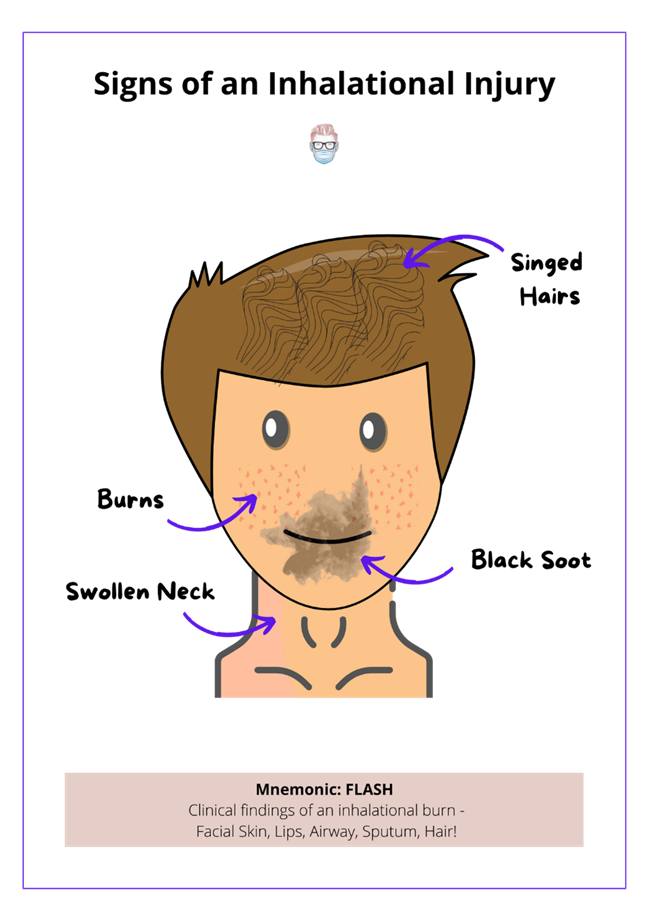
d. A client who has soot markings around each naris following a house fire:
Soot markings around the nares (nostrils) suggest inhalation injury, which can lead to airway compromise, respiratory distress, and other serious complications. This client requires immediate assessment and intervention to ensure airway patency, oxygenation, and respiratory support.
To resolve a conflict between staff members regarding potential changes in policy, a nurse manager decides to implement the changes she prefers regardless of the feelings of those who oppose those changes. Which of the following conflict resolution strategies is the nurse manager using?
Explanation
a. Compromising:
Compromising involves finding a middle ground or mutually acceptable solution where both parties give up something to reach an agreement. It requires each party to make concessions to meet halfway and resolve the conflict. This approach aims to achieve a quick resolution by accommodating the needs and concerns of both sides to some extent.
b. Collaborating:
Collaborating involves working together cooperatively to find a solution that satisfies the interests and concerns of all parties involved. It requires open communication, active listening, and joint problem-solving to achieve a consensus and reach a win-win outcome. This approach values mutual respect, trust, and cooperation among team members, emphasizing shared decision-making and collective ownership of the resolution.
c. Cooperating:
Cooperating involves willingly assisting or supporting others to achieve a common goal or resolve a conflict. It emphasizes teamwork, mutual support, and shared efforts to address challenges or differences constructively. This approach promotes harmony, unity, and a supportive environment where individuals work together toward shared objectives.
d. Competing:
Competing, also known as forcing or dominating, involves pursuing one's own interests or preferences at the expense of others' concerns or viewpoints. It prioritizes assertiveness and control, with the goal of achieving one's desired outcome without considering the needs or perspectives of others. This approach can lead to conflict escalation, resentment, and strained relationships, as it disregards collaboration and mutual understanding in favor of imposing one's will.
A nurse in the emergency department is assessing a client who is unconscious following a motor- vehicle crash. The client requires immediate surgery. Which of the following actions should the nurse take?
Explanation
a. Transport the client to the operating room without verifying informed consent:
This option suggests an urgent response, prioritizing the immediate need for surgery over the formal process of obtaining informed consent. In certain emergency situations, such as when a patient's life or health is in imminent danger and obtaining consent is not feasible, healthcare providers may proceed with treatment or surgery to prevent further harm or loss of life. However, this approach should be guided by established protocols, legal considerations, and the principle of providing the best possible care for the patient.
b. Delay the surgery until the nurse can obtain informed consent:
This option advocates for ensuring that the patient's autonomy and rights are respected by obtaining informed consent before proceeding with surgery. While obtaining consent is essential, delaying surgery may not always be feasible or advisable in emergency situations where prompt intervention is necessary to prevent deterioration of the patient's condition. However, if circumstances allow, making efforts to obtain informed consent is ethically and legally preferable.
c. Obtain telephone consent from the facility administrator before the surgery:
This option proposes seeking consent from a designated authority within the healthcare facility, such as a facility administrator, via telephone. While this approach may be practical in some cases, it may not always be sufficient to ensure that the patient's rights are fully respected, particularly if the administrator does not have the legal authority to provide consent on behalf of the patient. In emergency situations, obtaining consent from a legally authorized representative of the patient, if available, is generally preferred.
d. Ask the anesthesiologist to sign the consent:
This option involves delegating the responsibility of signing the consent form to another member of the healthcare team, in this case, the anesthesiologist. However, consent for surgery should ideally be obtained directly from the patient or their legally authorized representative, as they are the ones who have the right to make decisions about their medical care. Relying on another healthcare provider to sign the consent form may not adequately protect the patient's autonomy and legal rights.
You just viewed 10 questions out of the 58 questions on the Ati Leadership Proctored Exam 2023 Exam. Subscribe to our Premium Package to obtain access on all the questions and have unlimited access on all Exams. Subscribe Now