






 Video Library


Ati Mental Health Nur20600 FInal Proctored Exam
Ati Mental Health Nur20600 FInal Proctored Exam
Total Questions : 42
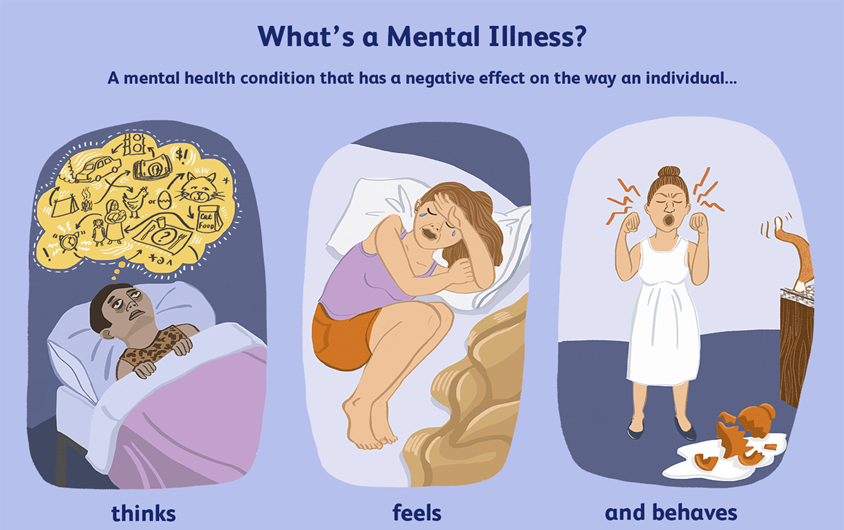
Showing 10 questions Sign up for moreWhich is necessary as a defining feature of mental illness?
Explanation
Choice A reason: Medication is not a defining feature of all mental illnesses. While medications can be a part of treatment for many psychiatric conditions, not all mental illnesses require medication. Some may be managed with psychotherapy, lifestyle changes, or other non-pharmacological interventions.
Choice B reason: Self-awareness or acknowledgment of difficulties is not a prerequisite for a mental illness diagnosis. Many individuals may not realize they have a mental health condition, especially in cases of severe mental illness or when insight is affected.
Choice C reason: The presence of difficulties in functioning that cause significant distress or impairment is a core aspect of mental illness. These difficulties can manifest in various areas such as social, work, or family activities, and are a key factor in diagnosing mental health conditions.
Choice D reason: While physiological symptoms can accompany certain mental health conditions, they are not a defining feature of all mental illnesses. Mental illness primarily involves significant changes in thinking, emotion, and/or behavior.
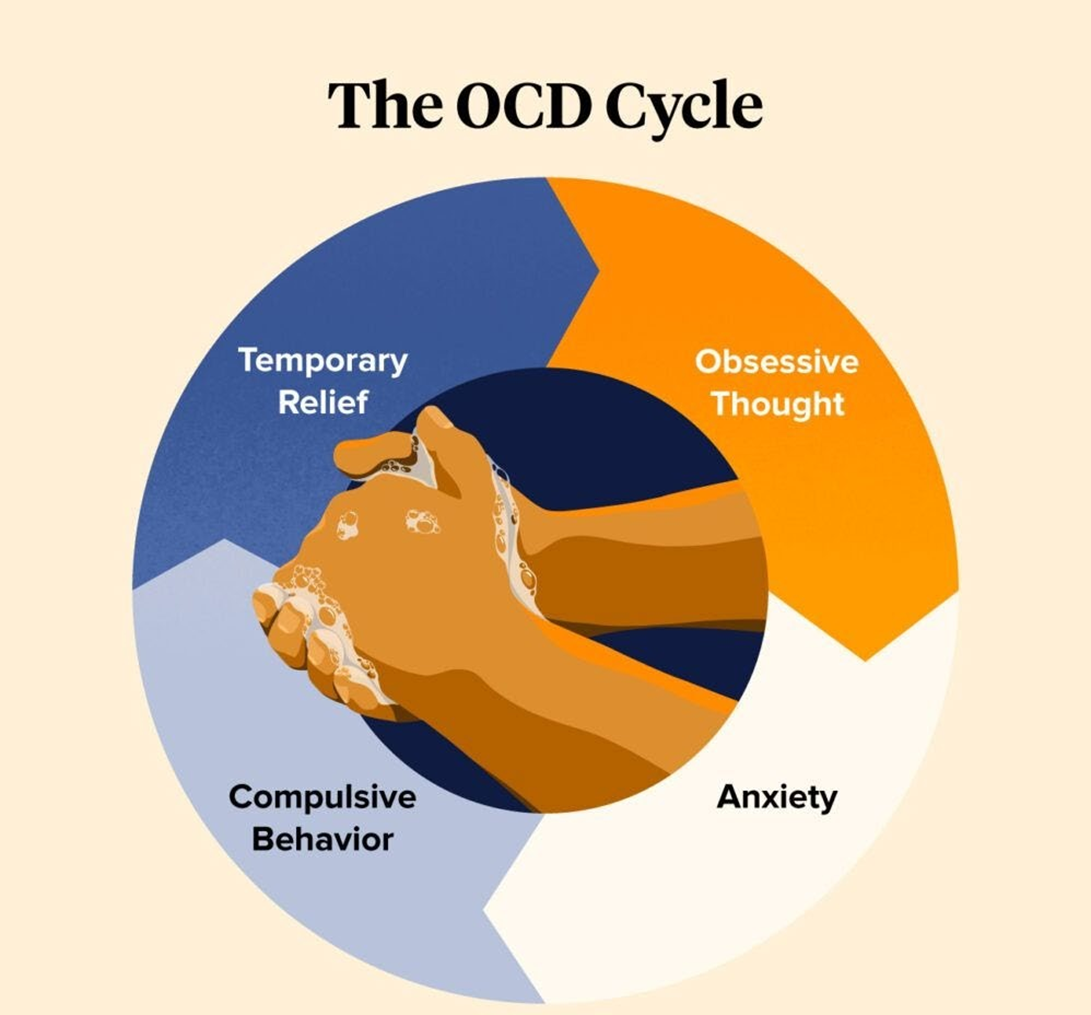
The nurse is caring for a client with obsessive-compulsive disorder (OCD). Which action by the nurse will increase the client's sense of security?
Explanation
Choice A reason: Stopping the client from performing rituals can increase anxiety and distress. Rituals are a coping mechanism for individuals with OCD, and abruptly preventing them can lead to a significant increase in anxiety.
Choice B reason: Allowing the client to perform rituals can provide a sense of security and control, which is important for individuals with OCD. Over time, with appropriate therapy, the need for these rituals can be reduced.
Choice C reason: While encouraging the client to talk about the purpose of the rituals can be part of cognitive-behavioral therapy, it may not immediately increase the client's sense of security. This approach is more about understanding and eventually managing the compulsions.
Choice D reason: Distracting the client from rituals with other activities can be a helpful strategy in therapy but may not directly increase the client's sense of security. It can be used as a part of a comprehensive treatment plan to gradually reduce the reliance on rituals.
A nurse is discussing quality of life with a client who has schizophrenia. Which of the following statements should the nurse include?
Explanation
Choice A reason: Suggesting a move to a group home based on symptom presence may not be appropriate. Quality of life can be improved in various living situations, and the decision should be individualized.
Choice B reason: This statement is supportive and realistic, acknowledging that while symptoms may persist, quality of life can still improve with ongoing treatment.
Choice C reason: This question could be perceived as confrontational. It's important to discuss the treatment plan's value in a way that is supportive and understanding.
Choice D reason: The medical model aims to reduce symptoms, but it is not always possible to eliminate them entirely. Recovery involves managing symptoms and improving quality of life.
The nurse is performing a mental health assessment for a client with schizophrenia. Which statement made by the client demonstrates that the client is having auditory hallucinations?
Explanation
Choice A reason: This statement clearly indicates the presence of auditory hallucinations, which are a common symptom of schizophrenia.
Choice B reason: While this could suggest auditory hallucinations, it could also be a question about shared experience and not necessarily indicative of a hallucination.
Choice C reason: Smelling feces where there is none could indicate an olfactory hallucination, which is less common than auditory hallucinations in schizophrenia.
Choice D reason: Tasting foul substances that are not present could suggest gustatory hallucinations, which, like olfactory hallucinations, are less common in schizophrenia.
The nurse is teaching relaxation techniques to a client with obsessive-compulsive disorder (OCD). When should the nurse teach relaxation techniques to the client?
Explanation
Choice A reason: Teaching relaxation techniques after medication may not be as effective because the client might be under the influence of the medication, which could interfere with learning the techniques.
Choice B reason: Atempting to teach relaxation techniques during a ritual can increase the client's anxiety and resistance, as rituals are often used by individuals with OCD to manage their anxiety.
Choice C reason: While bedtime could be a calm time, it's not specifically targeted towards managing anxiety levels, which is crucial for clients with OCD.
Choice D reason: Teaching relaxation techniques when the client is experiencing low anxiety levels is most beneficial. The client is more likely to be receptive and retain the information, which can then be applied during higher anxiety periods.
A client is readmited to the substance use disorder program for the second time in 6 months for alcohol use disorder. Upon admission, the client tells the nurse, "I am so ashamed." What should the nurse reply?
Explanation
Choice A reason: While it's important to provide support, simply telling the client they have nothing to be ashamed of does not address the underlying issues or feelings the client may be experiencing.
Choice B reason: This response opens a dialogue and allows the client to share their experiences and challenges since the last admission, fostering a therapeutic relationship and understanding.
Choice C reason: This statement could be perceived as judgmental and may make the client feel worse, potentially hindering the therapeutic relationship.
Choice D reason: Asking why they started drinking again could come across as accusatory and may cause the client to become defensive or feel guilty, which is not conducive to recovery.
Schizophrenia is most often characterized by which assessment finding?
Explanation
Choice A reason: Separate personalities are not a characteristic of schizophrenia; this is a common misconception. The disorder involving separate personalities is more accurately associated with dissociative identity disorder.
Choice B reason: While mood swings and hostility can occur in schizophrenia, they are not defining features of the disorder. Schizophrenia is primarily characterized by psychosis, which includes delusions and hallucinations.
Choice C reason: Preoccupation with somatic symptoms is more commonly associated with somatic symptom disorder, not schizophrenia. Schizophrenia involves a range of symptoms including cognitive and emotional dysfunctions.
Choice D reason: Thought disturbances, such as disorganized thinking, and hallucinations, particularly auditory ones, are hallmark symptoms of schizophrenia and are often used in its assessment.
The nurse caring for an older adult client with dementia asks the client's children to bring old photo albums when they visit. Which best describes the benefit of viewing photos when caring for the client?
Explanation
Choice A reason: Encouraging a client to live in the past is not a therapeutic goal. Reminiscence therapy is used to stimulate memories and conversations, not to have clients dwell in the past.
Choice B reason: Helping children identify old photographs may be a side benefit but is not the primary therapeutic reason for using photo albums in dementia care.
Choice C reason: Viewing photos as part of reminiscence therapy can help clients with dementia recall memories and engage with others, which can improve their mood and cognitive function.
Choice D reason: While sharing photos might encourage interaction, the primary benefit of viewing photos in dementia care is to provide comfort and stimulate memory for the client, not necessarily to foster interactions with others.
A 9-year-old client with atention deficit hyperactivity disorder (ADHD) has been placed on a stimulant. The nurse knows that the teaching has been effective when the client's parents make which statement?
Explanation
Choice A reason: This statement is incorrect because stimulants used to treat ADHD can actually cause insomnia and might reduce the amount of sleep a child gets.
Choice B reason: This is the correct statement. Parents acknowledging the potential side effects of stimulant medications, such as insomnia, loss of appetite, or weight loss, indicates an understanding of the medication's effects.
Choice C reason: This statement could be correct depending on the specific medication prescribed, but it does not reflect an understanding of the potential side effects, which is crucial for managing the child's care.
Choice D reason: Regular blood level checks are not typically required for ADHD stimulant medications, so this statement does not indicate effective teaching about the medication.
A client is experiencing a panic atack while in the recreation room. Which intervention(s) would be a priority to promote the client's safety?
Explanation
Choice A reason: Engaging in activities might be too demanding during a panic atack and could potentially exacerbate the client's anxiety.
Choice B reason: While medication may be part of the treatment plan, the immediate priority is to ensure the client's safety and comfort, which is best achieved by staying with them.
Choice C reason: Offering therapy in the midst of a panic atack is not practical; the immediate need is to help the client feel safe and manage their acute symptoms.
Choice D reason: Staying with the client to assess their needs is the most appropriate immediate intervention to ensure safety and provide reassurance during a panic atack.
You just viewed 10 questions out of the 42 questions on the Ati Mental Health Nur20600 FInal Proctored Exam Exam. Subscribe to our Premium Package to obtain access on all the questions and have unlimited access on all Exams. Subscribe Now